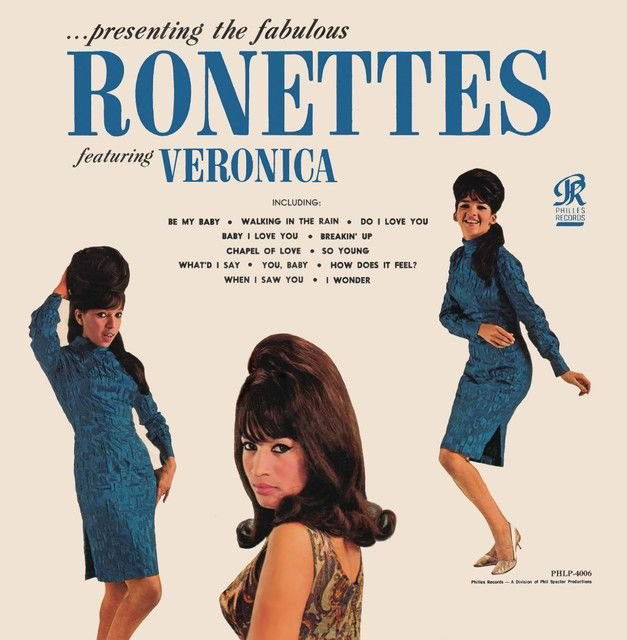
I Saw Mommy Kissing Santa Claus by The Ronettes
What’s the real meaning of I Saw Mommy Kissing Santa Claus The Ronettes recorded? Behind the sparkle is a gentle joke about childhood innocence, family play-acting, and the magic of Christmas.
"I Saw Mommy Kissing Santa Claus" - The Ronettes
Underneath the mistletoe last night
She didn't see me creep down the stairs to have a peek
Loading lyrics...
Unable to load lyrics
We're unable to display the lyrics at this time. Please try again later.
A Wink Behind the Beard: The Real Gist
At heart, the song is not about scandal. It’s about a kid who sees Mom underneath the mistletoe
with “Santa” and misreads the moment. The classic punchline—never stated outright—is that Santa is Dad in costume. That’s why the mood stays light and the chorus delights rather than shocks.
In The Ronettes’ 1963 cut, the scene feels cozy and comic, not risky. Their delivery—and the arrangement—keep the focus on surprise and giggles, not trouble.
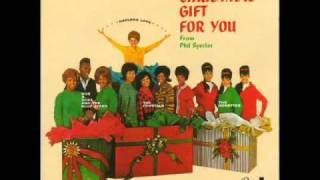
Watch the official I Saw Mommy Kissing Santa Claus
music video
Who’s Talking, and What They Miss
The narrator is a child speaking in first person, sneaking a peek at grown-up holiday fun. They whisper details like She didn’t see me creep
and think they were supposed to be fast asleep
. The humor comes from dramatic irony: the audience understands the Santa disguise, while the kid does not. That gap powers the entire song.
To the child, every clue—the beard so snowy white
, the mistletoe, even the tickle—confirms that this is the real Santa. To listeners, those same clues point to Dad playing along.
The Hook That Sells the Joke
The refrain sets the scene with a grin and makes the misunderstanding singable:
I saw Mommy kissing Santa Claus
Underneath the mistletoe last night
Interpretation: The hook repeats what the child believes they saw. In The Ronettes’ hands, it’s mischievous, not mean. The line what a laugh it would have been
underlines that, in a loving home, Dad would be in on the joke—because he is the joke.
Step by Step: The Tiny Holiday Misadventure
- The child sneaks downstairs:
She didn’t see me creep
shows secret spying. - They clock the setting: mistletoe signals playful, family-safe affection.
- They notice the costume: that
beard so snowy white
seals it for them. - They imagine the fallout:
what a laugh it would have been
if Dad saw it. - They never realize Santa is Dad, which keeps the punchline delightfully suspended.
Symbols Under the Tinsel
- Mistletoe: A harmless holiday pass for a kiss. It frames the scene as festive, not illicit.
- Santa’s Beard: The prop that convinces the child and tips off the audience.
- Nighttime and Stairs: Classic kid logic—curiosity, wonder, and a little rule-breaking.
- Tickling: When the kid says they saw
Mommy tickle Santa Claus
, it reads as cozy horseplay, perfect for the family-room stage.
How The Ronettes Make It Sparkle
Recorded for A Christmas Gift for You from Phil Spector (1963), The Ronettes’ version wears the Wall of Sound like tinsel. You hear sleigh bells, handclaps or tambourines, layered percussion, and echo-laden instrumentation—hallmarks of Phil Spector’s dense, mono-forward style. Ronnie Spector’s buoyant lead, backed by tight harmonies, beams pure kid energy.
Production choices matter to the meaning. The saturated reverb and stacked vocals treat the story like a snow globe—sealed, shiny, and safe. The tempo keeps things bouncing. Nothing lingers long enough to feel heavy; the mix invites a smile, not suspicion.
Context That Shapes the Reading
The song was written by British songwriter Tommie Connor and first recorded by 13-year-old Jimmy Boyd in 1952, when it hit No. 1 in the U.S. Later tellings circulated about church objections and bans; those stories were later treated as urban legend. The Ronettes’ rendition arrived in 1963, a year when Phil Spector’s Christmas album recast carols and novelties in pop-glamorous frames. Decades on, their version even made Billboard’s seasonal charts, proof of its lasting pull.
This backdrop matters. Knowing it’s a 1950s novelty explains the wink. Knowing Spector produced it explains the shimmer. And knowing The Ronettes’ girl-group power explains why the misunderstanding feels cute, not cruel.
Other Ways to Hear It (And Why They Persist)
Interpretation: Some modern listeners still read the lyric as naughty or even inappropriate. That reading ignores the tradition of parents dressing up as Santa. It also misses the comic design: the kid’s cheerful misread, with the audience in on the truth.
Another reading treats the chorus as a satire of tabloid shock—“I saw it!”—without proof. But the musical setting argues against scandal. Everything in the track says holiday fun.
Final Takeaway for Your Playlist
The meaning of I Saw Mommy Kissing Santa Claus The Ronettes popularized is simple and sweet: a child, a costume, and a household joke that blossoms into a seasonal sing-along. Their Wall of Sound polish makes the moment feel bigger than the living room—and just as safe.
Disclaimer: Song interpretations are subjective. This article offers one informed reading based on lyrics, recording context, and production choices.