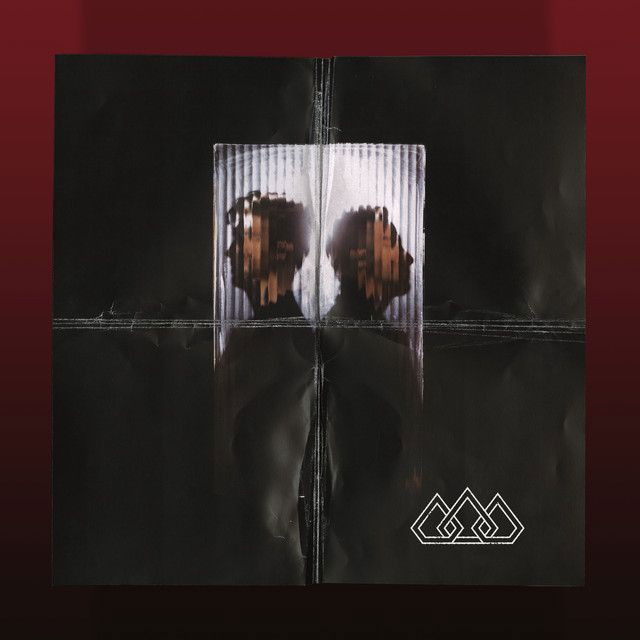
Rush by The Score
The meaning of Rush The Score centers on adrenaline, self-belief, and the thrill of breaking out of fear. On the surface, the song sounds like a pure hype track. Under that surface, though, it is also about a turning point: they frame intensity not as chaos alone, but as fuel for change.
"Rush" - The Score
Octane running through these veins, burning all my fears down
Today, yeah, the cycle breaks, it's time to change the rules now
Loading lyrics...
Unable to load lyrics
We're unable to display the lyrics at this time. Please try again later.
The Score are known for cinematic, motivational pop-rock, a style heard across releases like Atlas and other high-energy singles. That background matters here. They often write songs that turn inner pressure into action, and “Rush” fits that pattern almost perfectly.
The Real Core of the Song
At its heart, “Rush” is about choosing motion over hesitation. The opening image compares the mind to a runaway machine, with the phrase one way train
suggesting a thought process that is locked in and fast-moving. That image matters because it tells listeners this is not a calm, reflective song. It is about commitment, momentum, and crossing a line they cannot easily uncross.
The next big idea is transformation. When the lyric says the cycle will break and the rules will change, the song presents intensity as a tool for personal reinvention. Instead of being trapped by old fears, they push forward. In simple terms, the song treats adrenaline as a spark that helps someone become bolder than they were before.
Interpretation: The rush in the title is not only physical excitement. It can also stand for emotional release—the moment when doubt stops running the show.

Watch the official Rush
music video
Why the Chorus Feels So Immediate
The chorus keeps asking Can you feel the rush
, and that repeated question is a key part of the song’s meaning. Rather than telling a detailed story, the hook pulls listeners into a sensation. The focus is not on where they are going, but on what the body feels like while they are charging ahead.
That matters because the song is built around surrendering to a powerful mood. When the chorus talks about all your senses
and broken defenses, it describes a state where overthinking falls away. The song is inviting them to stop guarding themselves so tightly and let instinct take over.
Taking over all your senses
Breaking down all your defenses
Those lines capture the song’s central emotional move: control gives way to experience. The repetition of “rush” then turns that feeling into a chant, as if the song itself is creating the high it describes.
Fear, Freedom, and the Need for Speed
One of the strongest ideas in “Rush” is that fear can be burned off through action. The verse image of energy moving through the veins presents courage almost like fuel. The body becomes an engine, and emotion becomes horsepower.
The phrase burning all my fears down
is especially important. It frames fear as something temporary and destroyable, not permanent. That makes the song less about reckless danger and more about inner breakthrough.
Still, the track does flirt with risk. When it mentions moving as if there are no consequences, it creates the fantasy of total freedom. Interpretation: This does not have to mean the song endorses careless behavior in a literal sense. In context, it reads more like the emotional fantasy of feeling unstoppable, the kind of moment where confidence outruns caution.
Who Is Speaking in “Rush”?
The lyrics mostly speak from a first-person point of view, but the chorus reaches outward to a “you.” That creates a smart split. In the verses, they describe a personal state of mind: the pulse is racing, the old cycle is ending, and they are ready to leap.
In the chorus, they turn that private feeling into a shared one. The song stops being only about one person’s thrill and becomes an invitation. That shift is why “Rush” works well as a sports, workout, or pump-up song. It converts one person’s emotional ignition into a collective experience.
How the Sound Carries the Meaning
A big part of the meaning of Rush The Score comes from its production. The track uses pounding drums, sharp electronic textures, and a big, chant-ready chorus. The beat feels urgent, while the vocal delivery pushes hard on key words, making the song sound as if it is always accelerating.
That production matches the lyrical themes exactly. Fast pacing supports the idea of overdrive. Layered vocals in the hook make the feeling bigger and more communal. Even the repeated “aye” sections act like a crowd response, turning adrenaline into an event.
The song was written by Edan Chai Dover and Eddie Anthony Ramirez, according to credits on Genius. The writing leans simple and direct, which suits the track. This is not a song built on subtle storytelling. It is built on impact, repetition, and bodily sensation.
A Motivational Anthem With a Wild Edge
There are two strong ways to read “Rush,” and both can be true at once:
- Empowerment reading: The song is about breaking destructive patterns and choosing courage.
- Adrenaline reading: The song is about craving intensity because normal life feels too slow.
The line comparing adrenaline to a drug supports the second reading. It suggests that excitement can become addictive. But because the song also stresses change and breaking cycles, it supports the first reading too. That balance gives “Rush” more depth than a standard hype anthem.
Why the Song Connects
“Rush” connects because it captures a feeling many people know but cannot always explain: the split second when fear and excitement become almost the same thing. The song lives in that blur. It understands the appeal of speed, risk, and emotional release, but it also ties those feelings to growth.
In the end, the meaning of Rush The Score is about more than thrill-seeking. It is about the moment they stop shrinking back and decide to move at full force. The song turns that decision into sound.
Disclaimer: This interpretation is based on the lyrics, performance, and available song context. Like most songs, “Rush” can support more than one valid reading.








