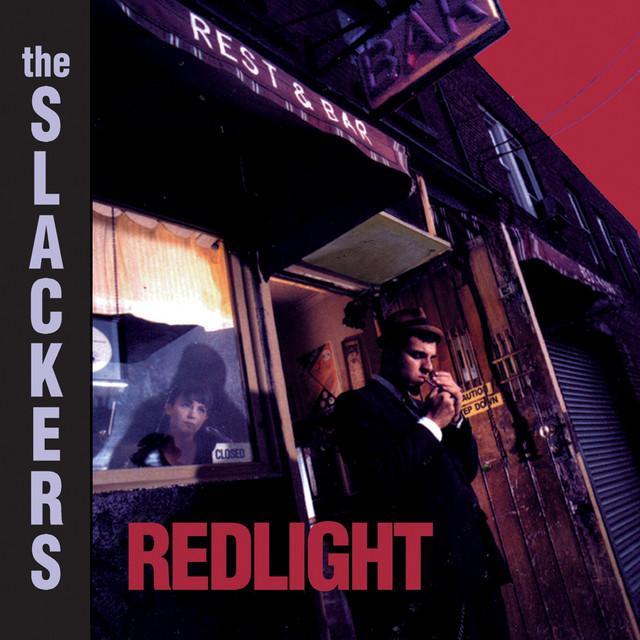
Watch This by The Slackers
A sly warning about love and freedom
The meaning of Watch This The Slackers comes down to a familiar problem: wanting closeness while still wanting room to move. The song sounds casual and even playful at first, but its message is sharper than that. They build a warning around the idea that attraction can slowly turn into confinement.
"Watch This" - The Slackers
She's gonna make a take down
She gonna make you do right
Loading lyrics...
Unable to load lyrics
We're unable to display the lyrics at this time. Please try again later.
The opening lines set the mood right away. The repeated caution, watch this
, is not just about seeing something happen. It sounds like a friend telling someone they are about to get caught in a pattern they do not fully understand yet. When the song says she will make you stay 'round
, it frames romance as a force that can reshape a person's choices.
That central tension gives the song its bite. They are not singing about a simple heartbreak. They are singing about the moment before surrender, when someone still thinks they can stay free.
Watch the official Watch This
music video
Where the song fits in The Slackers' world
The Slackers are a New York band formed in 1991, widely known for blending ska, rocksteady, reggae, dub, soul, and jazz touches into a roots-oriented sound (Wikipedia). That style matters here because the band often pairs warm grooves with lyrics that carry irony, doubt, or social observation.
"Watch This" was released as a 2021 single, according to the band's documented discography (Wikipedia). Even without a detailed official track breakdown, the song fits their long-running approach: music that feels lived-in, conversational, and a little skeptical about easy answers.
Factual context: The Slackers' career has been built heavily on touring and live-tested arrangements rather than mainstream promotion, a trait noted in coverage of the band (New Noise Magazine; SLUG Magazine). That live-band instinct helps explain why "Watch This" feels like a direct address from one person to another.
The narrator's warning is more complicated than it sounds
At first, the song seems to blame the woman in the story. Phrases like keep you inside
and all night
suggest a partner who limits freedom. But the lyric does not stay that simple.
Soon, the chorus-like idea shifts toward desire itself. The person being warned wants to be free as a bird
, yet they are also drawn toward attachment. That is the key contradiction. They want liberty, but they also move toward the very thing that might end it.
Interpretation: not just a villain story
A shallow reading would say the song is only about a controlling lover. A stronger reading is that it shows how people can walk willingly into emotional limits. The warning matters because the trap is not always forced. Sometimes it is chosen.
The images of birds, bees, and money deepen the message
The most interesting section arrives when the lyrics turn strange and proverb-like. The song compares creatures placed in the wrong setting: a bee in a bird's nest, a bird in a hive. In plain terms, those images suggest disorder. Things stop working when they are pushed into the wrong role.
God makes the man
Man makes the money
This brief turn broadens the song beyond romance. Suddenly, it is not just about one relationship. It is also about how human beings create systems, obligations, and rules that can pull them away from their natural state.
That is why the line about money matters. It hints that adulthood itself can become a trap: work, duty, social expectations, and the pressure to behave a certain way. In that light, the relationship in the song may stand for any structure that promises order but costs freedom.
The final twist: the chain is self-made
Near the end, the song stops pointing outward and turns inward. The narrator admits, in effect, that they created their own burden. The phrase ball and chain
is old slang for a marriage or commitment that feels heavy, but here it lands with more self-awareness than cruelty.
This is the song's smartest move. Instead of ending with blame, it ends with responsibility. The closing thought, paraphrased, is that they are tied down by something they helped build. That makes the repeated question about judgment important. If people create their own chains, then judging others becomes difficult.
Interpretation: freedom has a price
One possible reading is that the song argues freedom is harder than people admit. They may say they want open space, but they often choose comfort, routine, desire, and attachment. The result is not pure victimhood. It is compromise.
How the music carries the meaning
The Slackers' signature sound makes this theme hit harder. Their blend of ska and rocksteady usually relies on an easy pulse, offbeat guitar, warm organ, and relaxed horn color, all core parts of the band's style and lineup history (Wikipedia). That kind of groove can make a warning feel smooth instead of severe.
This matters because the song's message is about seduction, not shock. A harsh punk attack would make the danger obvious. A laid-back reggae-informed rhythm makes the trap feel attractive. The listener hears exactly why someone might stay.
The likely effect is intentional even if not formally documented for this specific track: the music mirrors the emotional compromise at the heart of the lyric. It sways while it warns.
Why the song still resonates
The meaning of Watch This The Slackers is larger than a jealous or possessive romance. It is about the strange deal people make every day. They want independence, but they also want love, structure, safety, and belonging.
The song understands that these wants do not fit together neatly. That is why it never settles into a clean lesson. It warns, shrugs, and confesses at the same time.
In the end, "Watch This" feels less like an accusation than a knowing observation about human nature. They see the trap, step into it anyway, and then admit they may not be in a position to judge anyone else for doing the same.
Disclaimer: This interpretation is based on the lyrics provided, publicly available band context, and musical analysis. As with most songs, different listeners may hear different meanings.








