Oblivius by The Strokes: A Warning in Disguise
The meaning of Oblivius The Strokes starts with tension. The song sounds sleek and catchy, but its words keep circling control, delay, and social pressure. Rather than telling one simple story, it throws out commands, warnings, and accusations until the listener feels trapped in the same uneasy world the band describes.
"Oblivius" - The Strokes
It's not my midnight yet
Act like a fox but think like a sheep
Loading lyrics...
Unable to load lyrics
We're unable to display the lyrics at this time. Please try again later.
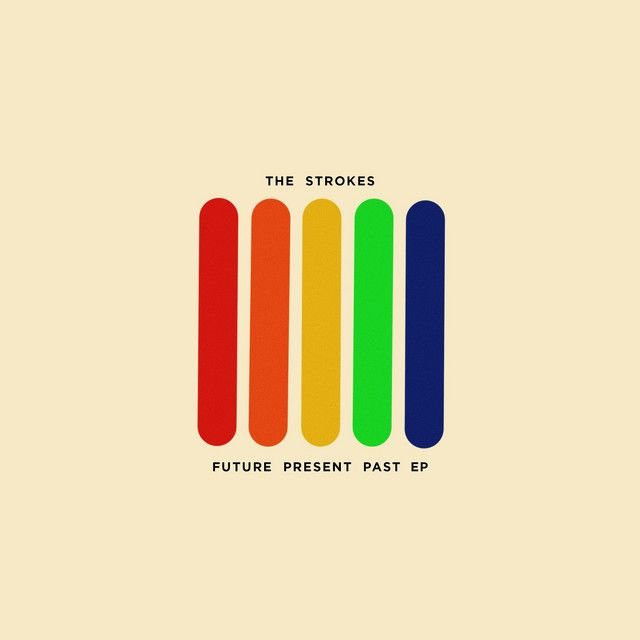
Released on the Future Present Past EP, “Oblivius” arrived in 2016, when The Strokes were balancing nostalgia with a more futuristic, electronic edge. That context matters. The song feels like a band looking at modern life and seeing old power structures dressed up in new language.
What the Song Seems to Be Saying
At the broadest level, “Oblivius” appears to be about resisting systems that ask for patience while offering very little back. The speaker wants release and action, opening with the plea Unchain me
. That phrase is simple, but it sets the whole mood: someone feels restrained by forces bigger than them.
The next clues point toward institutions, not just personal drama. The mention of Wall Street
and the line about bank advice suggest money, class, and authority. When the song says those in power will return something some other day
, it sounds like a familiar excuse: justice delayed, accountability postponed, promises pushed into the future.
Interpretation: They seem to frame modern life as a rigged waiting game. People are told to be smart, patient, and obedient, while powerful groups keep moving the goalposts.

Watch the official Oblivius
music video
The Voice of the Song: Private Frustration, Public Anger
Even though the lyrics use first-person phrases, the song’s emotional effect is broader than one person’s complaint. It feels like a voice speaking for a crowd that is tired of being managed. The phrase Act like a fox
suggests cunning on the surface, but the lyric undercuts that confidence by contrasting it with passive thinking.
That contradiction is important. The song keeps showing people who perform freedom without really having it. They move, race, pose, and talk, but they are still boxed in by fear, money, or social pressure.
A world of motion without progress
The imagery is full of movement: runway, highway, uptown. Yet none of it feels freeing. Instead, all that motion feels nervous and circular, like people are speeding through life without changing the power structure around them.
That is part of why the song feels so sharp. It captures a modern kind of paralysis: everyone is busy, but the deeper problem stays in place.
Why the Repeated Question Hits So Hard
The emotional center of the song is the repeated challenge What side you standing on?
The band does not treat neutrality as peaceful. They treat it as a test. In this song’s world, staying vague may help the status quo.
That repeated line turns the track outward. What starts as frustration becomes confrontation. The speaker is no longer only asking to be released; they are demanding that others declare themselves.
Don't wait so longway too long they wait too long I can't stay awake too long
This is the song’s clearest statement of urgency. The idea is not just impatience. It is exhaustion. The speaker sounds worn down by delay, by generational stalling, and by a culture that keeps telling people to hold on a little longer.
Symbols of Power, Sleep, and Delay
Several small images connect to the larger theme.
- Chains: These suggest control, dependence, or institutional pressure.
- Banks and Wall Street: These point toward economic systems and elite decision-making.
- Pajamas and sleep: These images make people seem vulnerable or unprepared, as if power catches them off guard.
- Runways and highways: These suggest speed and modern life, but not real escape.
Interpretation: The title “Oblivius” likely hints at oblivion, forgetting, or mental fog. That makes sense in a song where people are distracted, delayed, and pushed away from clear action. The threat is not only oppression; it is numbness.
How the Sound Carries the Message
Musically, “Oblivius” blends classic Strokes guitar interplay with a shinier, more synthetic surface. According to credits noted by Cult Records, the EP was produced by Gus Oberg with the band. That production matters because the song sounds both alive and slightly mechanical.
The guitars slash through the mix, but the groove has a cool, controlled feel. Julian Casablancas’ vocal delivery adds to that push-pull. He sounds detached in places, then suddenly urgent, which mirrors the lyrics’ mix of sarcasm and alarm.
This contrast is one reason the song lasts. It is easy to enjoy as a rock track, but the polished sound also feels like part of the point. The world it describes is stylish, fast, and efficient on the surface, while something colder sits underneath.
Two Strong Ways to Read “Oblivius”
Reading one: a social and economic critique
This is the most direct reading. The references to finance, the repeated call to choose a side, and the anger at delay all support the idea that the song targets systems of wealth and power.
Reading two: a wider attack on passivity
The song can also be heard as a challenge to anyone drifting through modern life half-awake. In that reading, the target is not only banks or politics. It is the habit of letting other people decide everything.
Both readings can work at once, which is part of the song’s appeal.
The Lasting Meaning of Oblivius The Strokes
The meaning of Oblivius The Strokes lies in its mix of cool style and real agitation. They built a song that sounds slick but feels cornered, as if the speaker sees through the promises around them and is done pretending not to notice.
For listeners, that is what makes “Oblivius” memorable. It is not a speech or a manifesto. It is a restless warning about power, waiting, and the cost of staying numb.
Disclaimer: This interpretation is based on the lyrics, recording context, and public release information. As with many Strokes songs, ambiguity is part of the design, so other readings may also be valid.









