Reptilia by The Strokes
The meaning of Reptilia The Strokes often comes down to one thing: a person trying to keep control when everything around them feels sharp, fast, and unstable. The song does not tell a neat story. Instead, it drops listeners into a tense moment full of judgment, attraction, ego, and panic.
"Reptilia" - The Strokes
"Tell us a story, I know you're not boring"
I was afraid that you would not insist
Loading lyrics...
Unable to load lyrics
We're unable to display the lyrics at this time. Please try again later.
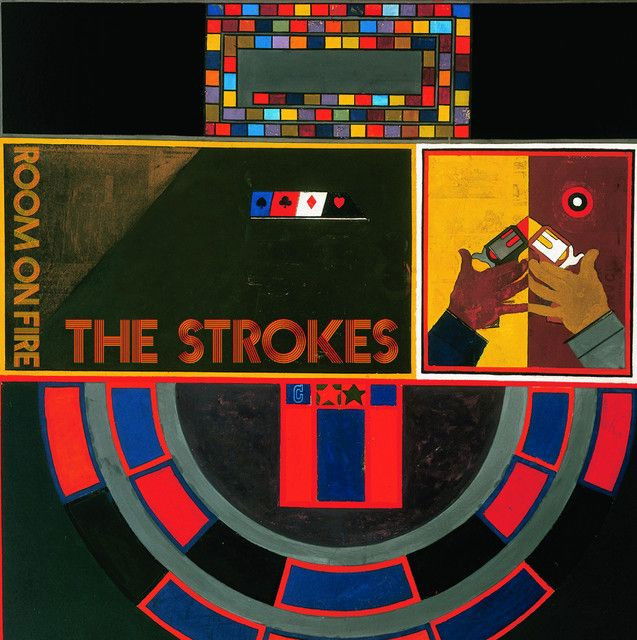
Released as a single from Room on Fire in 2004, though the album arrived in 2003, “Reptilia” was written by Julian Casablancas and produced by Gordon Raphael. It became one of the band’s signature tracks, peaking at No. 19 on Billboard’s Alternative chart and later earning major critical praise and platinum certification in the United States, according to publicly available chart and certification data.
Why This Song Feels So Restless
At its core, the song sounds like a clash between momentum and resistance. The narrator wants to move forward, but someone else keeps interrupting, judging, or trying to slow that movement down. That is why the key plea, please don't slow me down
, feels so central.
Before and after that line, the verses show social friction. People talk past each other. One voice sounds cool and dismissive, another sounds defensive and wired. The result is a scene where the narrator seems trapped between wanting approval and rejecting it.
Interpretation: Many listeners hear this as a nightlife song about status, attraction, and attitude. Others hear a deeper anxiety about growing up inside a city scene that rewards confidence but punishes weakness.

Watch the official Reptilia
music video
A Narrator Running on Instinct
One useful way to read the meaning of Reptilia The Strokes is through the title itself. Songfacts notes that “Reptilia” can suggest the so-called reptilian brain, the part often linked in pop culture to instinct and raw emotion. That idea fits the song well: the title never appears in the lyrics, but the behavior inside the song feels impulsive, defensive, and primal.
The narrator reacts instead of reflecting. They swing between fear, swagger, and anger. Phrases like you're not trying hard enough
and I'm now taking over
sound less like calm conversation and more like survival language.
That matters because the song is full of mixed signals. Someone seems drawn in, then pushed away. Someone is mocked for being tired, then told to calm down. It creates the sense of a brain stuck in fight-or-flight mode.
The Images That Carry the Song
The lyrics work through quick, vivid images instead of long explanations. One of the most famous is the line that inspired the album title:
The room is on fire
as she's fixing her hair
Paraphrased, the image shows chaos happening while someone stays focused on appearance. That contrast is the whole song in miniature. Disaster and coolness exist side by side.
Another major image is movement through streets and traffic. When the narrator says you ran me off the road
, it sounds less like literal driving and more like emotional sabotage. Their lives are changing direction, and another person has forced a dangerous turn.
There is also the repeated idea of being in a strange place. The line about being in a strange part of our town
makes the city feel unfamiliar, even if it is supposed to be home. That adds to the song’s paranoia. Familiar social rules no longer feel safe.
How the Chorus Sharpens the Conflict
The chorus is where the song stops hinting and starts pushing back. It moves from social awkwardness into open conflict. The narrator feels challenged, replaced, and nearly overwhelmed, but then flips the power dynamic.
This is why the chorus feels so thrilling. It is not only about being hurt. It is about refusing to stay passive. The shift into defiance turns anxiety into motion.
Interpretation: The chorus may describe a breakup, a scene rivalry, or the pressure of success itself. Because Casablancas wrote it during the band’s early rise, some listeners connect its aggression to the strain around expectation and identity in the Room on Fire era.
How The Strokes’ Sound Explains the Meaning
The music is a huge part of why the song lands so hard. “Reptilia” is usually tagged as indie rock, garage punk, and post-punk revival. Those labels fit, but what matters more is how the band uses that style.
The opening guitar riff is clipped and urgent. The drums do not wander; they drive straight through the track. The bass keeps the floor moving, while the second guitar adds tension rather than softness. Casablancas sings in a way that sounds both detached and strained, which is perfect for a song about trying to look cool while barely holding it together.
That production approach also fits the band’s history. According to Songfacts’ summary of reporting around the album, the group returned to Gordon Raphael during the making of Room on Fire after briefly working with Nigel Godrich. The final result kept the Strokes’ lean, nervous attack intact, and “Reptilia” may be the clearest example of that.
Why the Song Still Connects
Part of the reason “Reptilia” endures is that it captures a very specific feeling: being young, alert, stylish, and deeply uneasy at the same time. The song can soundtrack a night out, but it can also soundtrack an inner argument.
Critically, it has held up well. It ranked highly on later best-of-Strokes lists and became a favorite in rhythm games, which helped introduce it to new audiences. But its staying power is not just nostalgia. It is the precision of its tension.
In the end, the meaning of Reptilia The Strokes is less about one fixed plot than a state of mind. It is about instinct taking over when pride, desire, and danger all hit at once.
Disclaimer: This interpretation separates documented facts from informed reading. Because The Strokes write in suggestive, fragmented images, different listeners may hear different meanings in the song.








