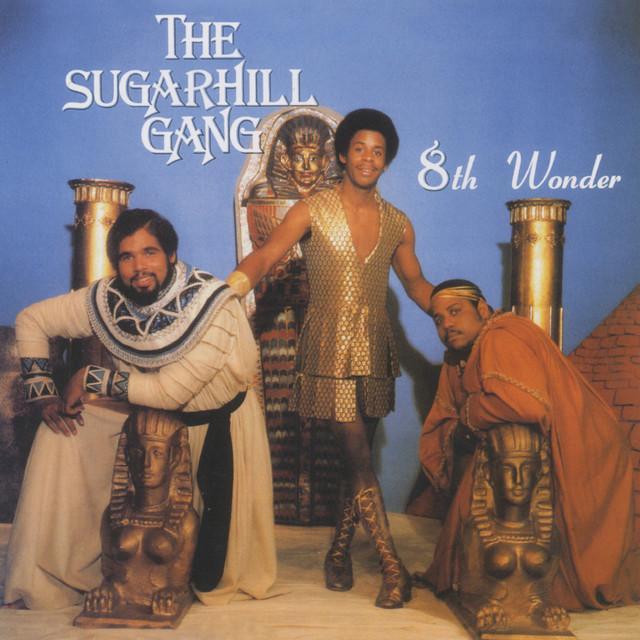
Why ‘Apache’ by The Sugarhill Gang Still Moves
When people search for the meaning of Apache The Sugarhill Gang, they often expect a hidden message. What they find instead is a song built for motion. “Apache” is mostly about energy, bragging, and the shared thrill of a party. It turns a famous groove into a rap showcase where each voice tries to outshine the last.
"Apache" - The Sugarhill Gang
Tonto, jump on it, jump on it, jump on it
Kemosabe, jump on it, jump on it, jump on it
Loading lyrics...
Unable to load lyrics
We're unable to display the lyrics at this time. Please try again later.
At the same time, the song carries a harder modern question. Its humor depends on old Hollywood ideas about the American West and Native identity. That means the song is both a landmark of early rap fun and a reminder of how pop culture once treated those images casually.
The Real Center: A Party Record in Costume
The clearest way to hear the song is as a performance piece. The repeated hook, especially jump on it
, is not asking for deep thought. It is a command to dance, respond, and join the moment. The group uses playful personas to make that command bigger and louder.
Interpretation: the track is really about hip-hop’s power to transform anything into a crowd ritual. The verses are full of boasts, jokes, and quick images, but they all feed the same goal: keep the room moving.
That fits The Sugarhill Gang’s place in rap history. They helped bring hip-hop from local scenes to national audiences, especially after Rapper’s Delight became a breakthrough hit. “Apache” keeps that early style: loose, funny, and built around audience pleasure rather than confession.
Watch the official Apache
music video
How the Verses Build Swagger
Each rapper steps in like a master of ceremonies. One says I am the chief
, another compares himself to a ranger figure, and all of them speak as if they control the party. These are not realistic portraits. They are oversized stage characters.
That matters for the meaning of Apache The Sugarhill Gang. The song’s “story” is not a plot with stakes. It is a chain of entrances, boasts, and dance cues. They claim fame, style, and power, then pass the mic feeling to the next verse.
A good example is the comic bragging about cars, fame, and being impossible to defeat. The point is not whether any of it is true. The point is the confidence. Early rap often used exaggeration as sport, and “Apache” leans into that tradition.
The Hook Turns the Crowd Into Part of the Song
The chorus is simple on purpose. By repeating names and the phrase jump on it
, the song creates a chant anyone can learn fast. That is why it feels bigger than the verses. The hook invites participation, while the verses supply personality.
Tonto, jump on it
Apache, jump on it
Even in this brief refrain, the structure is clear: call, response, repetition, release. Interpretation: the chant is the real engine of the song. It makes identity feel collective, not personal. They are not just rapping at listeners; they are trying to pull listeners into the beat.
The Sound Explains the Song’s Staying Power
A lot of the song’s meaning lives in its production. The beat is direct, percussive, and easy to move to. The chant-like rhythm gives the track a communal feel, like something made for a gym floor, a roller rink, or a block party.
Its musical roots matter too. The record draws on the famous “Apache” groove associated with the Incredible Bongo Band version, a break that became crucial in hip-hop and DJ culture, as noted by the Rock & Roll Hall of Fame. That connection helps explain why the song feels so physical. It is built from a rhythm that dancers and DJs already knew how to use.
The voices also stay light and playful. Nobody sounds wounded or reflective. They sound excited, theatrical, and eager to entertain. That performance style tells listeners not to treat the song like a diary entry. It is a public event.
The Problematic Imagery in Modern Ears
A modern reading cannot ignore the imagery. References like Kemosabe
and pow-wow
come from recycled pop stereotypes, not careful cultural understanding. In the early 1980s, that kind of borrowing was common in mainstream entertainment. Today, many listeners hear it as insensitive.
That does not erase the song’s place in rap history, but it does change how they understand it. Interpretation: one meaning of the song now comes from tension. It captures early hip-hop’s playful freedom while also showing the limits of the era’s cultural awareness.
Why the Song Endures Anyway
“Apache” lasts because it does several simple things extremely well:
- It has an instantly memorable chant.
- It gives each rapper room for personality.
- It rides a groove with proven dance power.
- It treats rap as live entertainment first.
For many fans, that is enough. They hear a joyful time capsule of early hip-hop. Others hear a classic with baggage. Both responses can be true at once.
Final Take on “Apache”
So, what is the meaning of Apache The Sugarhill Gang? Fundamentally, it is a celebration of movement, boasting, and communal fun. Its real subject is not the West or history; it is the thrill of taking over a room with rhythm and personality.
At the same time, the song reflects the culture that made it, including borrowed images that feel dated now. That mix is why “Apache” remains interesting: it is catchy, historically important, and worth hearing with both enjoyment and critical distance.
Disclaimer: This interpretation combines lyrical reading, musical context, and cultural reception. Meaning can vary from listener to listener.







