Why 'Little Bones' Feels Drunk and Sharp
The meaning of Little Bones The Tragically Hip starts with a trick: the song sounds loose, funny, and alive, but its world is full of risk. The bars are open, the drinks are cheap, and everyone seems ready for another round. Yet under that energy, the song keeps pointing to hidden damage.
"Little Bones" - The Tragically Hip
Better butter your cue finger up
It's the start of another new year
Loading lyrics...
Unable to load lyrics
We're unable to display the lyrics at this time. Please try again later.
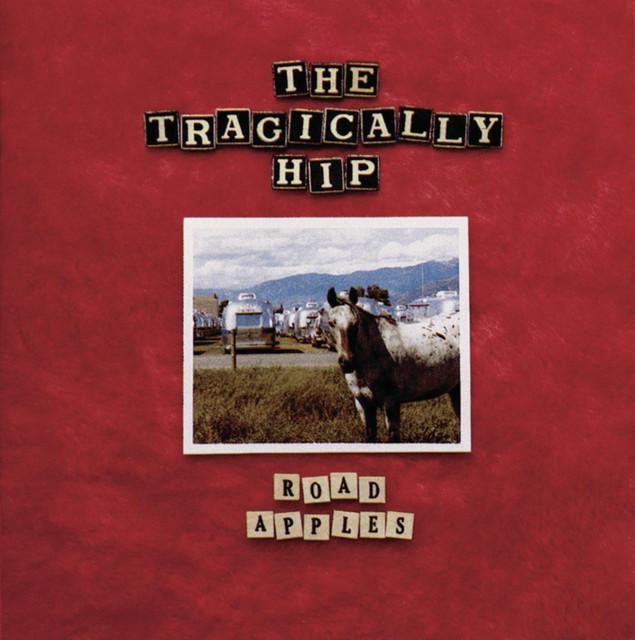
Released in 1991 as the lead single from Road Apples, and opening that album, “Little Bones” became one of the band’s early signature songs. It was recorded in New Orleans during the Road Apples sessions and produced by Don Smith, facts noted in the song’s release history and background coverage. It also reached No. 11 on Canada’s RPM singles chart. Those details matter because the song’s humid, barroom feel fits both its setting and its sound.
A Party Song With Teeth
At the surface, the song describes a place where pleasure is easy to buy. Prices for drinks are repeated like a jingle, and the phrase happy hour's here
sounds cheerful. But that repeated sales pitch feels hollow the more the song goes on.
Instead of showing joy, the band fills the room with worn-out people, stale rituals, and strange body imagery. In paraphrase, the song suggests a nightlife culture where everything has a price, even attention, memory, and maybe dignity. The scene is lively, but it also feels rundown.
Interpretation: They are not simply celebrating a dive bar. They are showing how fun and decay can live side by side. The hook sells pleasure, while the verses expose the cost.

Watch the official Little Bones
music video
The Chorus Turns a Joke Into a Warning
The central image is famously odd. A line about eating chicken slowly because it is full of little bones
sounds like casual advice. According to background accounts summarized in reporting on the song, Gord Downie took inspiration from a cab driver’s warning about bones in chicken after already encountering the phrase as a name in Timothy Findley’s fiction. That mix of everyday talk and literary association fits Downie’s writing style.
Baby, eat this chicken slow
It's full of all them little bones
Paraphrased, the warning is simple: enjoy something too fast and you may choke on what was hidden inside it. That image unlocks the song. The drinks, the nightlife, the rebel talk, even the passing of years all come with small dangers tucked inside them.
Interpretation: The chorus is not really about food. It is about appetite. The song keeps asking what happens when people consume life carelessly.
Time, Rot, and Cheap Transactions
One of the smartest parts of the lyric is how it links money to time. They hear prices for a drink, then suddenly prices for a decade, a year, even an eyeball or an ear. The pattern turns life into a bargain bin.
That is why the song feels surreal without losing its point. It takes normal bar language and stretches it until everything sounds for sale. The result is funny for a second, then unsettling.
The line nothing's dead down here
adds another layer. In plain terms, they are saying the place still moves, but only barely. It is not healthy or renewed; it is exhausted.
Interpretation: This may be the song’s most important idea. The world of “Little Bones” is not fully ruined, but it is running on fumes. It survives through habit, noise, and denial.
How the Verses Build That Mood
The opening image, It gets so sticky down here
, does a lot of work. It gives the song physical texture right away: heat, spilled alcohol, smoke, sweat, and mess. From there, references to newspapers, rebels, graves, and body parts make the room feel bigger than a single bar. It starts to stand for a whole social mood.
There is also a sharp contrast between high and low language. One moment the setting is crude and cheap. The next, it is described as regal or decadent. That clash suggests a culture that dresses up its emptiness as style.
When the narrator says they could cry, beg, or whine for a line from a rebel, the song also pokes fun at borrowed cool. In paraphrase, they seem tired of fake wisdom and recycled rebellion. Everyone wants a slogan; nobody wants truth.
The Sound Makes the Meaning Hit Harder
Musically, “Little Bones” works because the band never turns the warning into a lecture. The groove is fast, tight, and muscular. The opening track placement on Road Apples matters: it throws listeners straight into the band’s rough-edged world.
Don Smith’s production gives the song a live-wire bar-band force. The guitars bite, the rhythm section keeps pushing forward, and Gord Downie sings with a mix of swagger and strain. That performance style is key to the meaning of Little Bones The Tragically Hip. He does not sound detached from the scene; he sounds inside it, half ringmaster and half witness.
This tension is why the song lasts. If the music were gloomy, the point would be obvious. Instead, the band makes danger sound exciting. That lets listeners feel the temptation before they notice the trap.
Two Strong Ways to Read It
There is more than one fair reading of the song:
- Nightlife satire. They portray a boozy social world where cheap pleasure hides emotional and moral wear.
- A broader warning about modern appetite. They use the bar as a symbol for consumption itself: people buying distraction, identity, and borrowed meaning.
Both readings fit the lyric images. The song is grounded in a real room, but its symbols reach beyond that room.
Why the Song Still Connects
“Little Bones” endures because it is catchy without being simple. It gives listeners a bar anthem, then quietly fills it with decay, fatigue, and caution. The song knows that pleasure is real. It also knows pleasure can come packed with sharp edges.
That balance is the reason the meaning of Little Bones The Tragically Hip still feels vivid. They turn a strange phrase into a full worldview: enjoy the night if you want, but pay attention to what is hidden inside it.
Interpretation disclaimer: This article offers a close reading based on the lyrics, recording context, and documented background, but song meaning can remain open to personal interpretation.







