What “New Orleans Is Sinking” Really Means
The meaning of New Orleans Is Sinking The Tragically Hip starts with atmosphere before it reaches plot. The song does not tell a neat story. Instead, they build a blur of travel memories, heat, music, desire, and emotional disorientation. What sounds loose and fun at first slowly reveals a person who feels overwhelmed by place, memory, and their own mind.
"New Orleans Is Sinking" - The Tragically Hip
Bourbon blues on the street, loose and complete
Under skies all smoky blue green
Loading lyrics...
Unable to load lyrics
We're unable to display the lyrics at this time. Please try again later.
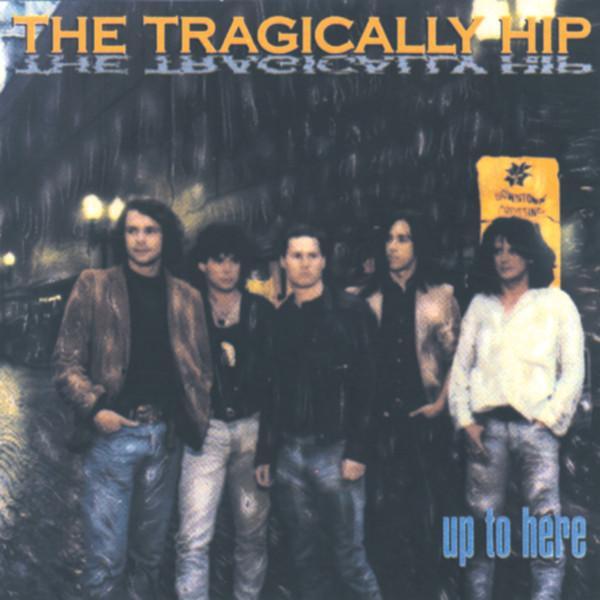
Released in 1989 as a single from Up to Here, the song became one of The Tragically Hip’s signature tracks and their first song to chart in the United States. That matters because its meaning lives in the same space as its sound: raw, live-feeling, and slightly out of control.
A City, a Mood, and a Mind Going Under
On the surface, the song comes from Gord Downie’s college trip to New Orleans, a detail noted in the song’s documented background on Wikipedia. But the lyrics do not read like tourism. They read like fragments from a night that was too vivid to fully process.
The opening images throw the listener into street-level life: music, smoke, color, and movement. When they mention Bourbon blues
, the song links New Orleans to nightlife and tradition, but also to intoxication and emotional looseness. This is not a postcard city. It is a city that gets into a person’s bloodstream.
That is why the central refrain matters so much. The line about the city sinking is probably not a literal report. Interpretation: it works more like a metaphor for being swallowed by sensation, memory, or chaos. When the narrator says they do not want to swim, the feeling is plain even if the scene is dreamlike: they do not want to be pulled deeper into confusion.

Watch the official New Orleans Is Sinking
music video
The Chorus Turns Travel Into Crisis
The key lyric asks, in essence, what river they are standing in, then admits that My memory is muddy
. That phrase is the emotional center of the song. The problem is not just the city outside. The problem is perception.
Here, New Orleans becomes a symbol of overload. Rivers, sinking, and swimming all point to instability. They are in motion, but they are not in control. The chorus sounds catchy and almost casual, yet it carries panic underneath.
what's this river that I'm in?
New Orleans is sinking
Those two lines belong together because they turn geography into psychology. The singer is not simply somewhere else; they are lost inside an experience they cannot fully name.
Strange Characters and Mixed Signals
The song gets even more slippery in the verse with Colonel Tom. This figure may be real, invented, or symbolic. He speaks in riddles, telling the narrator to do what feels real rather than getting trapped in deals or labels.
Interpretation: Colonel Tom sounds like a street philosopher, the kind of person who appears in a half-remembered night and leaves behind one sentence that sticks. In that reading, he represents instinct over reason. The song keeps choosing feeling over explanation.
Then there is the personal ache in the line about a lover not recognizing them when they think about the past. That moment brings the song down from city myth into private life. Travel, memory, and identity all blur together. They are not just remembering a place; they are becoming someone different inside that memory.
Images of Ego, Gratitude, and Dissociation
Later images are some of the song’s strangest. A face is compared to a bare light source. A person seems to flatter others just to keep energy alive. Then the narrator sees a cloud that looks like them. These details feel fractured, but they connect through one theme: selfhood becoming unstable.
The line about having hands in the river and feet on the bank captures that split state perfectly. Part of them is inside the experience, and part of them stands back watching it. That is often how memory works after an intense night or a formative trip.
There is also a flash of relief and gratitude when they look upward and say thanks. For a moment, the song stops drifting and finds balance. Even in confusion, there is wonder.
Why the Music Sells the Meaning
Musically, the track helps explain why the lyrics feel both joyous and uneasy. It grew out of a long jam session, which makes sense when listening to its rolling groove and elastic structure. The blues-rock feel gives the song body: swaggering guitars, a firm rhythm section, and a vocal that sounds half-spoken, half-surprised.
Producer Don Smith captured the band with enough polish for radio, but not so much that the danger disappeared. The groove feels like movement through crowded streets. Downie’s vocal sounds less like a clean narrator than someone reporting from inside the storm.
That live energy became central to the song’s legacy. In concert, the middle often opened into improvised sections, including the famous “Killer Whale Tank” version. That history supports a useful point about meaning: this song was built to expand. Its loose structure mirrors a lyric world where memory and identity keep slipping.
A Song Changed by History
After Hurricane Katrina in 2005, some Canadian stations briefly stopped playing the song out of respect for New Orleans. That response did not change the original writing, which predates the disaster by many years, but it did change how some listeners heard it.
For American listeners in particular, that later history can make the title sound prophetic or literal. Factually, the song was not written about Katrina. Still, reception matters. Once history catches up to an image, the image grows heavier.
The Best Way to Read It
The strongest reading is that this is a song about being overtaken: by a city, by memory, by pleasure, and by the fear of losing hold of oneself. New Orleans stands for a place so alive that it threatens to dissolve boundaries. The singer is thrilled by that and wary of it at the same time.
That tension is why the song endures. It rocks hard, but its hook carries dread. It celebrates feeling, yet it also shows the cost of surrendering to it.
Interpretation disclaimer: Song meaning is never fully fixed. This reading separates documented facts from interpretation, and other listeners may hear the song more as travel writing, dream logic, or pure rock-and-roll mood than a single clear narrative.








