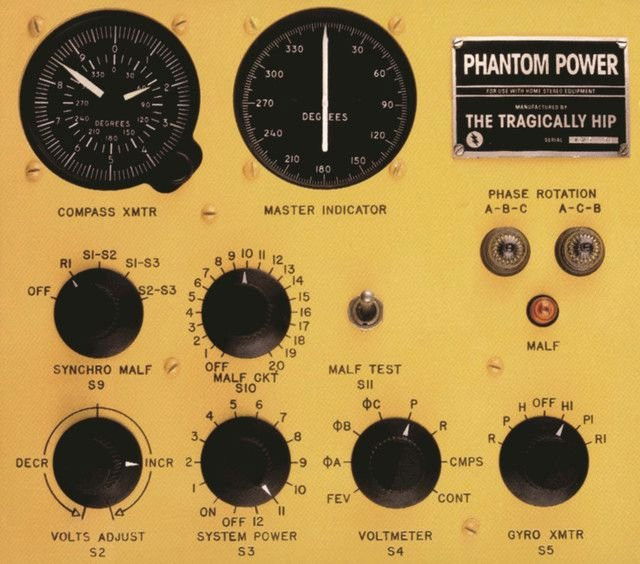
Poets by The Tragically Hip
Why This Song Still Feels Sharp
The meaning of Poets The Tragically Hip comes from tension. The song sounds playful, but its message is more pointed than casual listeners might expect. They build a fast, bright rock track around lyrics that question how society talks about artists, desire, money, and public image.
"Poets" - The Tragically Hip
When the birds can be heard above the reckoning carts doing some final accounting
Lava flowing in Superfarmer's direction
Loading lyrics...
Unable to load lyrics
We're unable to display the lyrics at this time. Please try again later.
Released on Phantom Power, "Poets" became one of the band's standout late-1990s singles. That matters because The Tragically Hip were already known for Gord Downie's dense, image-heavy writing. Here, they use that style to make a song that feels less like a diary and more like a cultural argument.

Watch the official Poets
music video
The Core Idea Behind the Song
At the center, the song pushes back against easy statements about creative people. The repeated command Don't tell me
is not just irritation. It sounds like a refusal to accept shallow labels about poets, artists, or outsiders.
When the chorus says what the poets are doing
, it points to a wider habit: people often talk about artists as symbols instead of human beings. They get described as rebels, loners, radicals, or frauds. The song seems tired of that whole performance.
Interpretation: “Poets” is less interested in literal poets than in the way culture turns artists into public myths. The singer resists commentary that sounds confident but explains very little.
A World Full of Clashing Images
The verses throw out strange snapshots: spring arriving, accounting carts, lava, frozen food, pornography, withered fields, and beach scenes. On first listen, these details can seem random. But together they create a crowded world where beauty, commerce, sex, and disaster all sit side by side.
That is why lines like heartbeat's pounding
and frozen food section
matter. One image suggests life beginning and energy rising. The other sounds cold, packaged, and artificial. The song keeps placing human feeling next to systems that flatten it.
There is also a comic edge in these jumps. Downie often used absurd or surreal combinations to expose how strange modern life already is. Instead of giving one clean story, they present a culture that feels overloaded and slightly ridiculous.
What the Chorus Is Really Arguing
The chorus is the clearest key to the song. It keeps returning to claims about poets being “tough,” “anti-social,” or somehow not enough of either. That contradiction is the point.
People want artists to be difficult, but only in ways that are easy to market. They want authenticity, but also spectacle. They want rebellion, but one that fits a headline.
Don't tell me what the poets are doing
Don't tell me that they're talking tough
That short refrain sounds defensive, but also smart. They are rejecting secondhand narratives. The singer does not want a critic, a crowd, or a media voice to explain creativity in slogans.
Symbols That Carry the Meaning
Nature versus machinery
Spring, birds, grass, and cornstalks suggest renewal and organic life. Against that, the song places accounting, frozen storage, and mass media. This contrast helps explain the emotional pull of the track: living feeling is always being boxed in by systems.
Desire as a public industry
The verse about pornography is not there for shock alone. It points to the way desire gets segmented and sold to splintered legions
. In other words, even private urges become markets.
The “Himalayas of the mind”
This is one of the song's most revealing phrases. It makes imagination sound huge, difficult, and maybe unreachable. Interpretation: the inner life of an artist is vast, but public talk about art reduces that complexity to gossip, image, or income.
How the Sound Helps the Message Land
Musically, “Poets” is lean, urgent rock. The guitars move with a nervous brightness, the rhythm section keeps everything pushing forward, and Downie's vocal delivery lands somewhere between a rant and a grin. That balance is important.
If the song were slower or heavier, the lyrics might feel solemn. Instead, the band gives them momentum. The upbeat drive makes the critique feel alive rather than preachy.
The Tragically Hip were known for turning literary writing into bar-band force, and that is exactly why this song works. According to the band's Juno Hall of Fame, they were celebrated for combining rootsy rock power with distinctive writing. “Poets” is a strong example of that mix.
Artist Context Matters Here
By 1998, The Tragically Hip had become major figures in Canadian rock, but they still kept an unusual identity. They were successful without sounding polished into blandness. That gives “Poets” extra bite.
The song can be heard as a defense of artistic independence from the culture machine that comments on everything, sells everything, and measures value by visibility or pay. When the lyrics mention finding out how a poet gets paid, that feels especially sharp. Money becomes one more cheap way to judge meaning.
A Reasonable Alternate Reading
There is another possible reading. Interpretation: the song may also be mocking intellectual scenes themselves. In that view, “poets” are not only victims of stereotype; they may also be trapped in pretension, vague talk, and self-mythology.
That reading fits the song's sarcasm. It does not fully protect artists from criticism. Instead, it questions everyone involved: audiences, media, and artists too.
Final Take on “Poets”
The meaning of Poets The Tragically Hip lies in its refusal to simplify art or the people who make it. They use vivid, messy imagery to show a world where sincerity fights with commerce, and where public opinion keeps trying to define the undefinable.
That is why the song still feels fresh. It understands that culture loves to explain artists in a sentence, while real creative life is stranger, bigger, and harder to package.
Disclaimer: This interpretation is based on the lyrics, recording context, and public information. As with many Tragically Hip songs, ambiguity is part of the design, so more than one reading can be valid.








