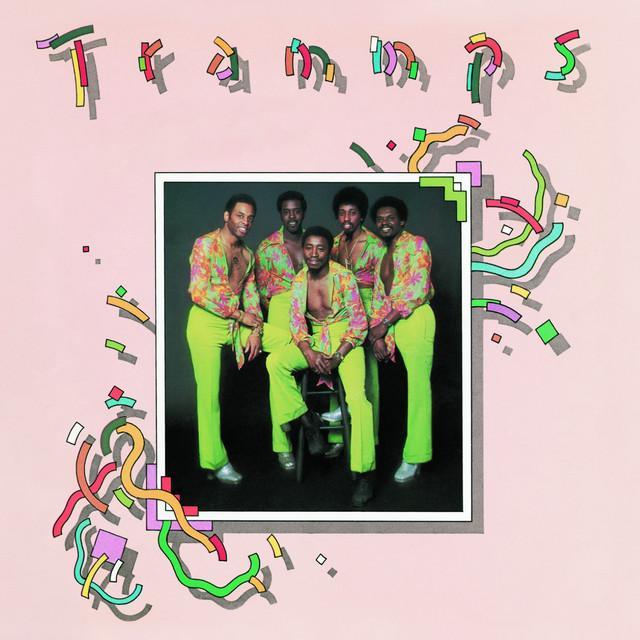
Why "Shout" Still Feels Like Pure Release
The meaning of Shout The Trammps search often points people toward a song that feels bigger than one moment. Factually, the lyrics and songwriting credits provided here match the Isley Brothers classic, written by O'Kelly Isley Jr., Rudolph Isley, and Ronald Isley. The original was released in 1959 and became one of the most durable party records in American pop culture, later entering the Grammy Hall of Fame and earning a place on Rolling Stone's greatest songs list (Wikipedia).
"Shout" - The Trammps
Shout
Let it all out
Loading lyrics...
Unable to load lyrics
We're unable to display the lyrics at this time. Please try again later.
More Than a Party Chant
On the surface, the song is simple: move, respond, and get louder together. But that simplicity is the point. The central message is emotional release. When the singers urge listeners to let it all out
, they are not just asking for noise. They are turning shouting into a symbol of honesty.
That is why the song works in two ways at once. It is a dance-floor command, but it is also a push against repression. The phrase these are the things
suggests they are throwing off burdens, rules, or frustrations. Interpretation: the song treats expression itself as freedom.
Watch the official Shout
music video
A Gospel Engine Inside a Pop Hit
Part of the song's meaning comes from its sound. According to the historical record, the Isley Brothers developed “Shout” out of live performance, stretching an already explosive ending into a full song. Producers Hugo & Luigi helped shape the 1959 recording, and the session even used friends in the studio to create a party atmosphere (Wikipedia).
That matters because the record does not sound private. It sounds communal. Its call-and-response structure comes from gospel tradition, while its beat and drive helped it cross into rock and roll and R&B at the same time. The result is a track that feels like a room full of people pushing one another toward release.
Why the arrangement matters
The song builds through repetition rather than storytelling. Each return of shout
increases urgency. The groove, handclap feel, and vocal escalation make the meaning physical: the body joins the message before the mind fully explains it.
What the Words Suggest Beneath the Hook
Even with spare lyrics, the song hints at pressure. The line about not having to “sell your soul” points toward moral compromise, while references to harsh times imply a world that can wear people down. In that context, shouting is not childish. It is resistance.
Shout
let it all out
come on
I'm talking to you
This brief passage shows how direct the song is. They are not singing into the distance. They are addressing someone specific, then expanding that address to everyone in earshot. Interpretation: the song turns private frustration into a public ritual.
Who They Seem to Be Addressing
The speaker sounds like they are calling out to a person who has been boxed in, underestimated, or emotionally shut down. The direct phrase I'm talking to you
gives the song its edge. It is not vague inspiration. It is a challenge.
That challenge may be romantic, social, or generational. Some lines suggest anger toward authority or narrow-minded people. Others sound like encouragement to stop performing happiness for others. In plain terms, the song says people should not have to fake joy when they are hurting.
The Best Reading of the Chorus
The chorus is famous because it works as instruction, release, and invitation all at once. A lesser song would only repeat itself. This one gains meaning through repetition. Every time the command returns, it strips away more pressure.
For listeners, that is the heart of the meaning of Shout The Trammps query: the song says expression is healthier than silence. Whether someone hears celebration, frustration, or spiritual release, the hook keeps pointing toward the same truth. Bottled-up feeling has to go somewhere.
Why It Became a Cultural Liftoff Song
“Shout” was not just a hit; it became a standard. It peaked at No. 47 on the Billboard Hot 100 in 1959, became the Isley Brothers’ first chart hit, and stayed alive through covers, films, and sports use for decades (Wikipedia). Its famous scene in Animal House helped cement its image as a party eruption.
But the song lasted because its message is broad enough to travel. It can fit a wedding, a movie scene, or a protest mood. That flexibility comes from the lyric design: it says little, but means a lot.
A note on alternate interpretations
Interpretation: some listeners hear the song mainly as joyful abandon. Others hear a deeper push against conformity, especially in lines about harsh times and controlling minds. Both readings are supported by the text and by the gospel-charged performance.
Final Take on the Song's Power
“Shout” remains effective because it joins body and meaning. They built a song that asks people to move, but also to stop swallowing what they feel. That is why it still sounds alive.
The most useful way to understand it is simple: shouting here means release, truth, and shared energy. It is a reminder that sometimes the healthiest response is not to stay composed, but to answer back.
Disclaimer: This interpretation is based on the lyrics, recording history, and cultural context. As with most songs, listeners may reasonably hear different meanings in it.








