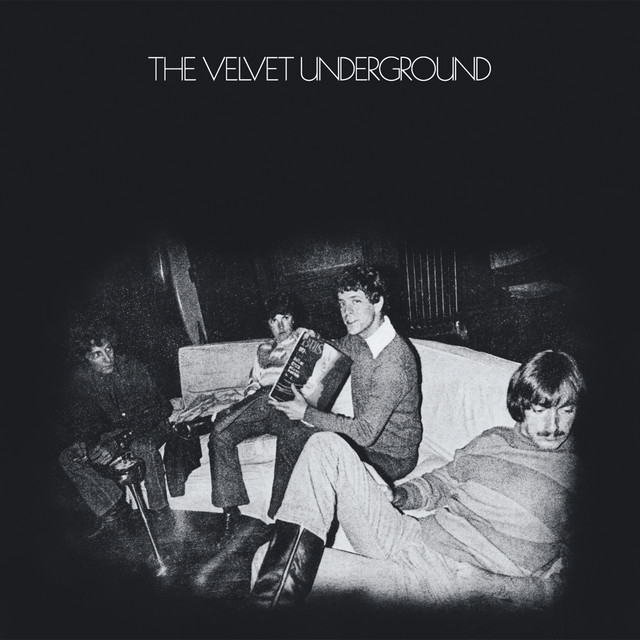
Pale Blue Eyes by The Velvet Underground
The meaning of Pale Blue Eyes The Velvet Underground comes down to a painful kind of love: desire mixed with guilt, tenderness mixed with anger, and memory mixed with self-deception. They present a narrator who is clearly captivated by someone, yet just as clearly troubled by what that connection means.
"Pale Blue Eyes" - The Velvet Underground
Sometimes I feel so sad
Sometimes I feel so happy
Loading lyrics...
Unable to load lyrics
We're unable to display the lyrics at this time. Please try again later.
The song first appeared on The Velvet Underground in 1969, written by Lou Reed, during a period when the band shifted toward a quieter and more intimate sound than on earlier releases. That background matters because this track does not attack the listener; it confesses to them.
A love song that does not trust itself
What makes the song stand out is how quickly it moves between emotional extremes. Early on, the narrator says they feel happy, sad, and angry, ending with the blunt phrase make me mad
. That emotional whiplash tells listeners this is not a clean romance. It is attachment that keeps hurting both sides.
Then the chorus returns to pale blue eyes
, which sounds soft, almost hypnotic. In plain terms, the singer cannot stop focusing on one detail of the other person. That detail becomes a symbol of fixation. They may know the relationship is damaging, but they still keep circling back to the same face, the same memory, the same desire.
Interpretation: The song is less about stable love than about being emotionally trapped by it.

Watch the official Pale Blue Eyes
music video
The narrator idealizes, then admits loss
In the second verse, the loved person becomes a peak or life goal. The narrator once saw them as everything, then admits they were something they couldn't keep
. That small phrase is important because it shifts the song from present desire into loss.
This is where the meaning of Pale Blue Eyes The Velvet Underground deepens. The singer is not only longing for someone; they are also grieving an idea of life that slipped away. The beloved is both a person and a symbol of what cannot last.
There is a familiar Lou Reed move here: plain language carrying a very messy feeling. Instead of dramatic poetry, they use ordinary words to show how people talk to themselves after a relationship becomes impossible.
Mirrors, purity, and a distorted inner world
One of the most revealing images is the mirror. The narrator imagines making the world pure and strange, then placing the other person in that reflected space. Paraphrased, they are not simply seeing the beloved as they are; they are remaking them through imagination.
That matters because the song may be about projection as much as love. The beloved is not only desired. They are polished into an image the narrator wants to keep in front of themselves.
Interpretation: The mirror suggests self-recognition. The singer may be staring at the other person, but they are also confronting their own wants, flaws, and moral compromises.
The hardest line: friendship, marriage, and sin
The song becomes much more explicit near the end. The narrator recalls that what happened before felt good and would be repeated. Then comes the moral knot: the other person is married, described as a best friend
, and the situation is called a sin.
That is why many listeners hear the song as a portrait of an affair, or at least of forbidden emotional intimacy. The language is striking because it does not excuse the relationship. Instead, it admits both pleasure and wrongdoing at once.
This honesty is a big part of the song’s power. It does not pretend desire is noble. It shows how people justify things they know are wrong, then confess anyway.
Why the music feels so intimate
The arrangement helps carry all of this. Sterling Morrison’s gentle guitar, Doug Yule’s soft organ and bass contributions, and Maureen Tucker’s restrained percussion create a hushed setting, while Reed sings in an almost conversational voice. On the 1969 self-titled album, the band often favored clarity and calm over the noise experiments heard on earlier records.
That softer production changes how the words land. If this had been loud or chaotic, the song might feel accusatory. Instead, it feels private, like a late-night admission. The steady repetition of the chorus also mirrors obsession: the singer keeps returning to the same point because they cannot move past it.
A few ways to read it
There is one dominant reading, but not only one.
First reading: forbidden love
The most direct interpretation is that the narrator is involved with a married person and feels both devotion and shame. The lyric balance of pleasure, anger, and guilt strongly supports that view.
Second reading: obsession as self-deception
Another interpretation is that the song is about idealization itself. The beloved may be real, but the narrator has turned them into a fantasy object. The references to the mirror and emotional instability suggest someone trapped inside their own version of love.
Third reading: tenderness under moral failure
A final reading is that the song asks whether real feeling can exist inside a bad situation. It does not deny wrongdoing, but it also does not deny the depth of the bond. That tension is why the song still feels adult and unsettling.
Why it still resonates
Part of the reason the track endures is that it refuses easy judgment. They show a person who is sincere, selfish, loving, and guilty at the same time. That mix feels true to life.
For many listeners, the meaning of Pale Blue Eyes The Velvet Underground is not just about an affair. It is about the way desire can blur ethics, memory, and identity until one repeated image becomes impossible to escape.
That is also why the title phrase lingers long after the song ends: not as a simple compliment, but as a sign of emotional captivity.
Disclaimer: This interpretation is based on the lyrics, recording context, and commonly discussed readings of the song. As with most great songs, listeners may hear something different in it.








