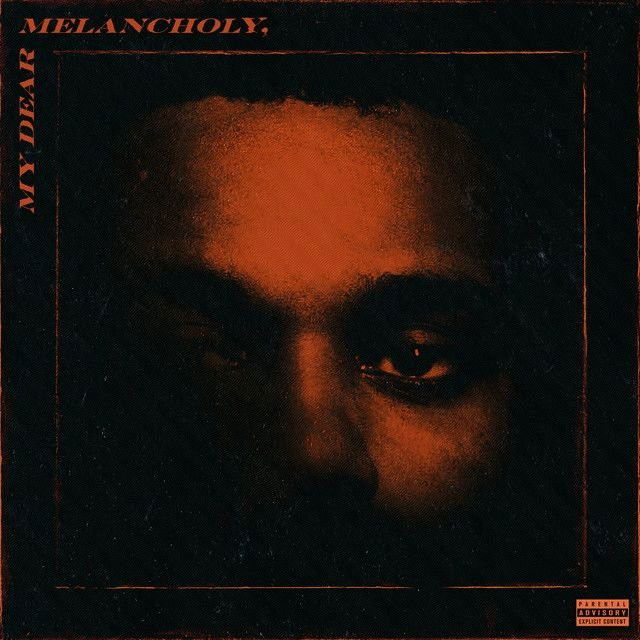
I Was Never There by The Weeknd, Gesaffelstein
The song opens with a question that cuts to the bone: What makes a grown man wanna cry?
From the first line, they frame heartbreak as something that destabilizes identity. The rest of the track searches for an answer, then chooses numbness over healing.
"I Was Never There" - The Weeknd ft. Gesaffelstein
(Cry, cry, cry, cry)
What makes him wanna take his life?
Loading lyrics...
Unable to load lyrics
We're unable to display the lyrics at this time. Please try again later.
Decoding the meaning of I Was Never There The Weeknd, Gesaffelstein
At its core, this song is about emotional erasure after a breakup. The narrator expects pain and chooses anesthesia. When they admit His happiness is never real
, it signals a hollow routine where pleasure can’t stick.
Interpretation: The title phrase, It was like I was never there
, is both self-defense and self-accusation. They want to vanish from a lover’s memory, but they also fear they never meant anything. That double bind drives the track’s bleak vision.

Watch the official I Was Never There
music video
Who’s speaking—and who’s listening?
They speak in first person to a former partner and to themselves. There’s a push-pull between blame and confession. On one hand, they point outward—It's all because of you
. On the other, they admit the coping tactic—poison myself again
—which reads as metaphorical self-numbing through excess.
What actually happens: a tight timeline
- Shock: The opening questions signal a collapse of control.
- Defense: He repeats a mantra that the end will mean nothing.
- Disappearing act: He imagines being erased from the other person’s life—“never there.”
- Numbing: He chooses toxic comfort to dull the ache.
- Breaking point: He senses the cliff edge, even as he presses forward.
Each step feeds the next, creating a loop of denial and self-harm-adjacent habits rather than closure.
The chorus as erasure ritual
The hook is stripped, fatal, and cold:
When it's time, when it's time It won't matter
Interpretation: This refrain is a protective spell. By insisting it won’t matter, they try to pre-grieve the loss. But the chant’s emptiness makes the opposite clear—it matters so much that they need a mantra to survive it.
Symbols and motifs that do the heavy lifting
- Erasure:
It was like I was never there
frames love as something that can be deleted. The phrase suggests denial and a wish to rewrite history. - Poison:
poison myself again
evokes self-destructive indulgence—chemical, physical, or emotional. It’s less about substances than about chasing oblivion. - Blame vs. ownership:
It's all because of you
externalizes the fallout, yet the verses keep returning to his own choices. - Thin air: The disappearing motif underscores how unstable the relationship always felt—intimate, yet ghostly.
How the sound carries the hurt
Gesaffelstein’s palette is stark: dark, metallic synths, a throttled low end, and the sense of a vast, empty room. The beat is deliberate and heavy, moving like a slow, late-night pulse. That minimalism leaves space for the voice to echo, making each admission feel like it’s ricocheting off concrete.
Production choices mirror the text. Distorted bass hints at inner corrosion. Reverb turns lines into afterimages—appropriate for a song obsessed with memory fading. When the hook arrives, the arrangement thins further, so the mantra lands like a cold diagnosis.
Context: Released on My Dear Melancholy in 2018, this track reunited The Weeknd with Gesaffelstein, whose industrial touch suits Abel Tesfaye’s darker confessional mode. Frank Dukes’ co-production adds the cinematic sweep, balancing grit with a mournful sheen.
Alternate readings you can hear
Interpretation 1: A breakup autopsy. The speaker tries to make themselves small—easier to forget—while admitting the ways they sabotaged connection.
Interpretation 2: A portrait of fame-addled numbness. The desire to disappear isn’t just about love; it’s about a life where thrill-seeking only deepens the void.
Interpretation 3: A loop of depression. The chorus’s flat certainty and the repetition feel like cognitive ruts, where “it won’t matter” becomes both comfort and trap.
Why it resonates now
Listeners hear the honesty. When he says His happiness is never real
, it pierces anyone who has tried to outpace grief with distraction. The song offers no rescue fantasy—only the hard truth that denial can’t keep you from the crash.
Takeaway
The meaning of I Was Never There The Weeknd, Gesaffelstein is simple and stark: when love turns toxic, disappearing can feel easier than healing. The track uses icy production, a bleak mantra, and confessional detail to show how self-erasure promises relief—but only deepens the ache.
Disclaimer: This is an interpretation based on the recording, public credits, and common critical readings. Individual listeners may find different meanings.









