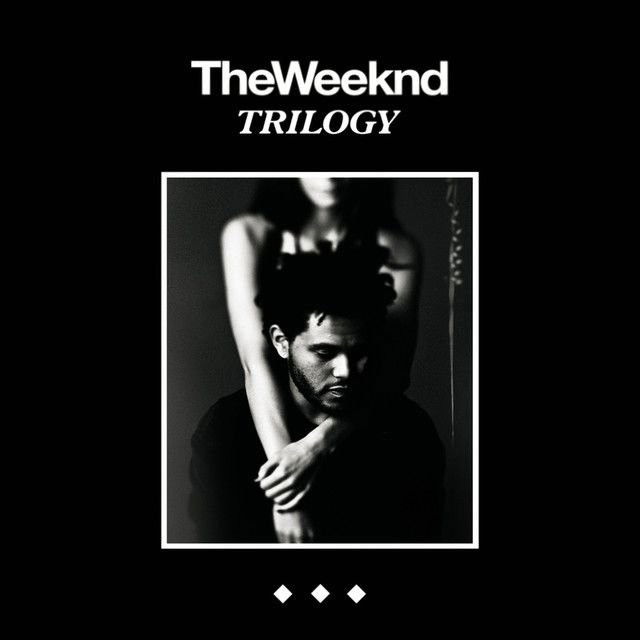
The Party & The After Party by The Weeknd
The meaning of The Party & The After Party The Weeknd comes down to a familiar Weeknd tension: pleasure that quickly turns hollow. On the surface, the song sells a late-night fantasy full of sex, status, and intoxication. Underneath, it shows how that fantasy can blur into numbness, dependence, and emotional isolation.
"The Party & The After Party" - The Weeknd
I know your thoughts, oh you 'bout it, 'bout it
You're a big girl and it's your world
Loading lyrics...
Unable to load lyrics
We're unable to display the lyrics at this time. Please try again later.
Originally released on House of Balloons in 2011, the track helped introduce the dark, narcotic world that made The Weeknd stand out in alternative R&B. The song is credited to Abel Tesfaye, Victoria Legrand, Alex Scally, Doc McKinney, and Illangelo, among others, and it draws on the dream-pop atmosphere associated with Beach House’s songwriting style in a way that feels both seductive and haunted.
A Night Out That Becomes a Warning
At first, the song sounds almost simple. The narrator speaks with confidence, inviting a woman into a world of indulgence and control. They notice luxury details, body language, and the social power she carries in the room. When the lyric points to her Louis V bag
and the fact that everybody wants you
, it frames her as someone desired by everyone but claimed by no one.
That setup matters because the song is not really celebrating romance. It is describing a transaction-heavy space where attention, sex, and drugs all start to feel interchangeable. The narrator promises access, protection, and supply. That language makes the connection sound less like love and more like an exchange built on appetite.

Watch the official The Party & The After Party
music video
What the Chorus Reveals About Her Role
The chorus sharpens that idea. When the song says she comes to the parties
to pluck the feathers
, it paints her as someone who enters nightlife spaces to dominate attention and strip others of their illusions. The image is sharp and a little cruel. She is not presented as innocent, and neither is the narrator.
Interpretation: this is one reason the song feels darker than a normal club track. Both people seem fluent in the rules of the scene. They know how to play desirable, how to stay detached, and how to turn pleasure into power.
The line about not begging adds another layer. It suggests pride, but also emotional distance. Even when the song sounds needy, it refuses tenderness.
The Second Half Drops the Mask
The real turn happens in “the after party” section. The voice becomes sloppier, sadder, and more exposed. Instead of smooth control, the listener gets confusion, exhaustion, and chemical haze. The narrator admits they are overwhelmed, physically spun out, and chasing more sensation because the first hit is no longer enough.
This is where the meaning of The Party & The After Party The Weeknd becomes clearer. The first half performs confidence; the second half reveals damage. They are no longer just seducing someone. They are confessing a lifestyle that leaves them fragmented.
One of the darkest moments is the reference to drownin' from my wrist
. Rather than treating it as a casual shock line, it is more useful to read it as a sign of emotional collapse. The song’s pleasure-seeking world has become so empty that even attention starts to feel like a life-or-death need.
Desire Without Real Intimacy
A major theme here is the gap between wanting someone and actually knowing them. The narrator keeps insisting they can give a feeling, supply an experience, or satisfy a craving. But they rarely speak in terms of trust, care, or commitment.
That emotional gap is especially clear when they suggest that women do not want love, only my potential
. Whether that complaint is fair or defensive is open to debate. It may reveal the narrator’s bitterness more than any truth about the people around them.
Interpretation: the song may be showing projection. The narrator accuses others of wanting surfaces while they also live through surfaces. In that reading, the track is not just about being used. It is about people using each other because none of them are willing, or able, to be vulnerable.
Why the Sound Feels So Unsettling
The production is a huge part of the song’s message. It moves slowly, with a foggy, floating texture that feels sensual at first and eerie later. The beat does not rush; it drags. That pacing makes the listener sit inside the blur.
The vocals also matter. The Weeknd sings in a way that feels intimate but distant, as if they are close to the listener while mentally somewhere else. That split mirrors the lyrics perfectly. The song invites contact, but it never feels emotionally present.
Because of that, the track captures one of the defining sounds of early Weeknd music: luxurious surfaces hiding emotional ruin. The mood is beautiful, but it is not safe.
Artist Context Makes the Song Hit Harder
Within House of Balloons, this track fits a larger pattern. Early Weeknd songs often explored Toronto nightlife through characters who chase escape through sex, drugs, and dissociation. Critics later pointed to this mixtape era as a major force in reshaping modern R&B into something moodier and more psychologically messy.
That context helps explain why the song still connects. It is not just about a wild night. It is about the cost of building an identity around appetite. The party looks glamorous. The after-party tells the truth.
Final Take on the Song’s Meaning
The meaning of The Party & The After Party The Weeknd is that hedonism can feel powerful in public and devastating in private. The song begins like a seduction, but it ends like a portrait of emotional and chemical burnout.
That is what gives it staying power. It understands that nightlife can offer freedom, fantasy, and status, while also leaving people lonelier than before.
Disclaimer: This interpretation is based on the song’s lyrics, sound, and known artistic context. As with any art, listeners may hear it differently.









