Why 'Eminence Front' Still Feels So Sharp
When people look up the meaning of Eminence Front The Who, they usually find a song about cool surfaces and ugly truths. That reading fits. On the outside, the track glides with confidence. Underneath, it watches people hide behind wealth, fashion, parties, and denial.
"Eminence Front" - The Who
And people forget
The spray flies as the speedboat glides
Loading lyrics...
Unable to load lyrics
We're unable to display the lyrics at this time. Please try again later.
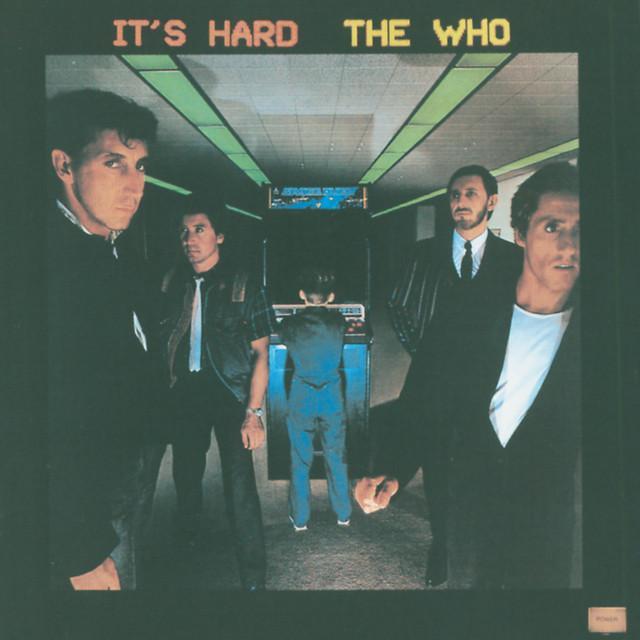
Released on It's Hard in 1982, the song was written by Pete Townshend, who also sang lead on the studio version. It became one of the album's biggest standouts, reaching No. 5 on Billboard's Mainstream Rock chart. Factually, it sits late in The Who's classic studio run, produced by Glyn Johns and built around a Yamaha E70 organ pattern Townshend later discussed.
A Stylish Groove With a Bitter Point
At the center of the song is one key idea: people create a polished front to hide what is really going on. The repeated hook, it's a put on
, makes that message plain. The phrase suggests performance, costume, and social theater rather than honesty.
Interpretation: the song is not simply mocking rich people for dressing up. It is attacking the whole system of pretending that money, leisure, and glamour can cover fear or moral emptiness. The verses move through bright scenes of pleasure, but each one carries the same warning: people are not free, they are hiding.
That is why the title matters so much. An “eminence front” sounds grand and elegant, but in the song it becomes a mask. It is prestige used as camouflage.
Watch the official Eminence Front
music video
The Verses Show Escape, Not Joy
The opening images look sunny and expensive. There are speedboats, ski scenes, smiling girls, flowing drinks, and a party invitation. On paper, it sounds glamorous. But the repeated idea that people forget they're hiding
turns those pleasures into distractions.
The song keeps pairing luxury with avoidance. Even when life looks effortless, the characters seem to be running from something. A line like dress to kill
works on two levels: it sounds fashionable, but it also feels aggressive and desperate, as if image has become armor.
Later, the song points toward collapsing fortunes and dashed hopes. That move is important. It shows that the mask is not only personal but economic. Success itself can be unstable, yet the performance continues.
Come and join the party
Dress to kill
That brief invitation sounds exciting, but in context it feels hollow. The song is not celebrating the party. It is exposing the pressure to look perfect while everything underneath is shaky.
What Pete Townshend Said It Meant
Townshend's own comments support the darker reading. He described the song as being about the “absurdity of drug-fueled grandiosity,” a remark often cited in discussions of the track. He also linked its musical foundation to a chord progression found on his Yamaha E70 organ.
Those comments matter because they anchor the song in the early-1980s world of excess. Cocaine culture, money worship, and social status all fit the lyric's atmosphere. At the same time, Townshend left room for uncertainty, suggesting he may have been pointing outward at a scene or inward at himself.
Interpretation: that ambiguity is part of what makes the song strong. It can be heard as social criticism, self-criticism, or both.
Why the Sound Is Part of the Meaning
One reason the meaning of Eminence Front The Who lands so well is that the music acts out the theme. The groove is sleek, controlled, and hypnotic. Instead of sounding messy or openly angry, the track sounds expensive.
That choice is smart. The arrangement gives listeners the exact kind of surface the lyrics distrust. The organ loop, steady beat, and cool vocal delivery create a polished facade. Then the words quietly reveal what that facade is hiding.
Writers have often noted the song's new wave influence alongside The Who's rock power. That blend helps explain why it still sounds modern. It has the band's size and force, but also a detached, late-night chill that suits a song about emotional masking.
More Than a Rich-People Satire
It is easy to hear the track as a simple attack on upper-class life. That is clearly one valid reading. The mentions of luxury, financial trouble, and social display all point there.
But there is another layer. The song can also be heard as a broader statement about everyday self-deception. Most people do not own speedboats, yet many know what it means to project confidence while feeling lost. In that sense, eminence front
becomes a universal image for the false self.
That wider reading helps explain the song's long life. It is tied to the 1980s, but not trapped there. Any era that rewards appearance over truth can hear itself in this track.
Why It Endures
Critics and fans often single the song out as one of the strongest moments from It's Hard, an album Townshend himself later spoke about harshly. That contrast is telling. Even on a record he disliked, this song survived because its message and mood lock together so well.
In the end, the song says that glamour can be convincing, but it cannot make fear disappear. The party goes on, the clothes impress, the drinks pour, and the headlines blur. Still, people remain hidden behind the image.
For many listeners, that is the real meaning of Eminence Front The Who: a sharp, danceable warning that style can become a shield, and a shield can become a trap.
Disclaimer: This interpretation separates documented facts from informed reading. Like many great songs, "Eminence Front" remains open to more than one meaning.








