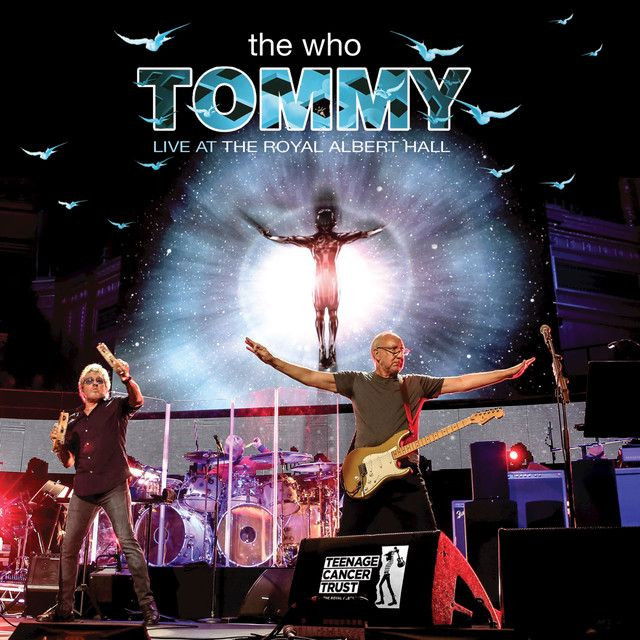
What "I'm Free" by The Who Really Means
The meaning of I'm Free The Who starts with a simple idea: freedom is not just escape. In this song, freedom feels like awakening. The speaker has crossed into a new state of mind and now calls others to do the same.
"I'm Free" - The Who
I'M FREE- I'm free,
And freedom tastes of reality,
Loading lyrics...
Unable to load lyrics
We're unable to display the lyrics at this time. Please try again later.
That makes the song one of the key emotional turning points in Tommy, The Who's 1969 rock opera, written mainly by Pete Townshend. Within that larger story, Tommy moves from silence and isolation toward spiritual authority, and I'm free
becomes more than a celebration. It becomes a mission.
A Breakthrough Inside Tommy
Factually, I'm Free
appears in Tommy, the album widely described as a rock opera by The Who. Pete Townshend wrote the work, and the band released it in 1969. In the story, Tommy becomes a symbolic leader after a profound change in consciousness.
The song arrives when that inner change turns outward. Earlier parts of Tommy deal with trauma, sensory blockage, and manipulation. Here, the tone shifts. They present Tommy as someone who now believes he has seen the truth and wants others to join him.

Watch the official I'm Free
music video
The Core Message: Freedom as Reality
The most important line is the one linking freedom with truth. When the song says freedom tastes of reality
, it suggests that real freedom is not fantasy or rebellion for its own sake. It is contact with what is real, stripped of illusion.
Interpretation: That idea fits Townshend's long interest in spiritual searching. The song is not only about breaking chains. It is about shedding false systems, false teachers, and passive habits. Freedom, in this reading, is an active awakening.
This is why the repeated invitation matters. The speaker is not content to stand alone. With follow me
, they turn personal revelation into a challenge. The song asks whether other people are willing to leave comfort behind.
Why the Verse Sounds Confrontational
The verse sharpens that challenge by saying that if the truth were explained plainly, many would laugh at it. That is a familiar spiritual and social theme: people often want transformation to be complicated, expensive, or distant. They resist the thought that change could be immediate and personal.
Then the song uses religious language to push harder. It mentions Messiahs pointed to the door
and says no one had the courage to leave the temple. Paraphrased, the idea is that guides may show the path, but institutions can become traps. People hear the call and still stay where it feels safe.
Interpretation: This is one of the boldest parts of the song. It can sound anti-religious on first listen, but it is more accurate to call it anti-stagnation. The target is not faith itself. The target is obedience without transformation.
The Chorus Turns Freedom Into a Test
The chorus introduces a crucial tension. After the bold claims, other voices ask, How can we follow?
That question changes the emotional shape of the song.
Instead of pure triumph, the track now contains doubt. Tommy may be awakened, but the people around him are not automatically ready. They need instructions, proof, or a bridge between ordinary life and this new vision.
That makes the song richer than a simple anthem. It stages the gap between revelation and community. One person may feel changed overnight, but others need time, trust, and language they can understand.
How the Music Carries the Meaning
Musically, the track supports that uplift. The arrangement has a bright, driving feel that keeps moving forward, and the guitars give the song a sense of release rather than heaviness. Roger Daltrey's vocal is clear and urgent, which helps the message land like a declaration rather than a private confession.
The band also avoids making the song overly mystical in sound. Instead of floating away, it feels grounded and physical. That matters because the lyric ties freedom to reality. The music says this awakening should be lived, not just admired.
Why the Hook Feels So Open
The repetition of the main phrase works like a chant, but a very accessible one. It is memorable, direct, and communal. Even listeners who do not know Tommy can feel the emotional logic: a person has broken through and wants the world to catch up.
Two Strong Readings of the Song
There are at least two solid ways to read the meaning of I'm Free The Who.
- Spiritual awakening: Tommy has reached enlightenment and invites others toward truth.
- Social rebellion: The song criticizes institutions that keep people passive and afraid.
These readings are not opposites. In Townshend's writing, inner liberation and social critique often overlap. A person who sees clearly may also stop accepting empty authority.
Why the Song Still Connects
Part of the song's staying power is that it does not define freedom too narrowly. Listeners can hear it as religious, psychological, political, or deeply personal. The words are simple, but the pressure behind them is strong.
That is why the song still feels fresh. It captures the excitement of breakthrough, but it also remembers the hard part: getting others to believe that change is possible.
Final Take on the Message
In the end, I'm Free
is about liberation with responsibility. Tommy is not just celebrating his own release. They are trying to wake others up.
The song's real power comes from that tension between certainty and invitation. It says freedom is real, but following it takes courage.
Disclaimer: This interpretation is based on the song's lyrics, its place in Tommy, and documented artist context. As with any song, listeners may hear meanings that differ from this reading.








