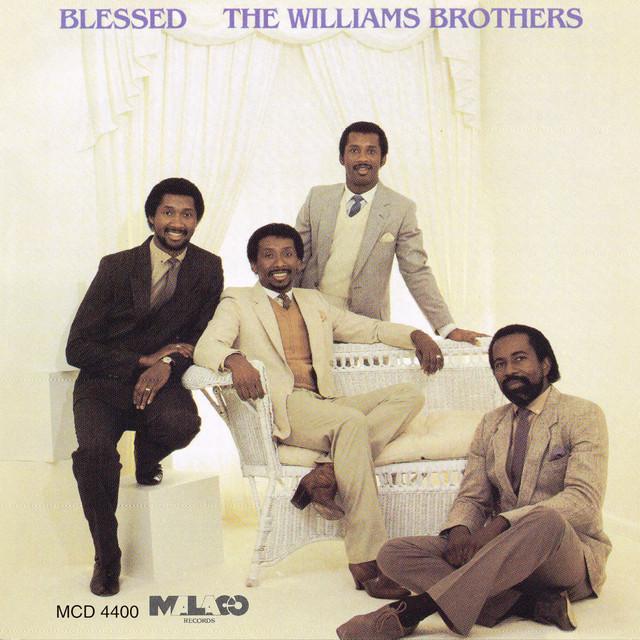
Why ‘I’m Just a Nobody’ Hits So Hard
The meaning of I'm Just a Nobody The Williams Brothers comes through a simple but powerful idea: a person does not need status, wealth, or polish to carry a life-changing message. In this gospel song, they tell a story about a man on the street who is mocked because he looks poor. Yet the song insists that his witness matters more than his image.
"I'm Just a Nobody" - The Williams Brothers
And I saw a man who appeared to be just an old wino
Sitting on the street, telling the people about Jesus as they passed by
Loading lyrics...
Unable to load lyrics
We're unable to display the lyrics at this time. Please try again later.
The Williams Brothers are a long-running gospel group, and the song’s credited writers are Douglas Williams, Leonard Williams, and Melvin Williams, as provided in the song credits shared here. That matters because the message feels rooted in lived gospel tradition: testimony, humility, and perseverance.
A Street-Corner Story With a Bigger Point
The song begins like a short scene from everyday life. They describe someone walking downtown and seeing a ragged old man speaking about Jesus while people pass him by. The crowd judges him by his clothes and condition, not by what he is saying.
That setup gives the song its emotional engine. The old man has no social power, no money, and no public respect. Still, he keeps speaking. When the chorus arrives with just a nobody
and tell everybody
, the song turns his pain into purpose.
Interpretation: the old man is not only a character. He also stands for anyone whose voice gets dismissed because they look unsuccessful, poor, or broken.
Watch the official I'm Just a Nobody
music video
The Chorus Shrinks the Messenger and Lifts the Message
The central line is memorable because it is built on contrast. The singer calls himself small, then points to someone greater. The phrase about somebody
shifts the focus away from ego, and save anybody
opens the message to everyone.
This is why the chorus feels larger than a personal confession. It becomes a gospel mission statement. They are saying the messenger’s worth does not come from fame or wealth; it comes from faithfulness.
I'm just a nobody trying to tell everybody
About somebody, who can save anybody
Even in that brief refrain, the structure matters. It moves from lowliness to universality. The song says: the speaker may be overlooked, but the hope they carry is for all people.
Brokenness, Recovery, and Testimony
In the second major verse, the old man explains that life pushed him toward drinking. He tried to numb his pain, but things only got worse. Then he surrendered to God, and his life began to change.
That part broadens the song from public rejection to private suffering. The old man is not presented as morally superior. He is someone who has failed, hurt, and struggled. This gives the message more weight, because he speaks as a person who believes he has been rescued.
Interpretation: the song suggests that personal ruin can become testimony. The man’s authority does not come from worldly success. It comes from surviving despair and finding spiritual renewal.
Why the Final Verse Feels So Personal
Late in the song, the perspective becomes more intimate. The singer says they feel like the old man and recalls being born in the country
and raised without luxury. That detail ties the story to humble roots and family faith.
This is the moment when the song shifts from observation to identification. They are no longer only describing a preacher on the street. They are admitting that they, too, know what it feels like to share a message people may ignore.
That turn makes the performance feel honest rather than abstract. It is not just a lesson about compassion for the poor. It is also a confession about the loneliness of ministry.
How the Sound Carries the Meaning
Musically, the song works because it sounds like testimony more than spectacle. The arrangement sits firmly in the Christian and Gospel tradition, with repeated lines, warm harmonies, and a call-and-response energy that invites listeners into the message.
The repetition is especially important. When phrases return again and again, they mimic preaching and altar-call language. Instead of chasing complexity, the song uses musical persistence to mirror spiritual persistence.
The vocal delivery also helps. They do not sound detached. They sound burdened, then encouraged. As the performance builds, the song moves from story into exhortation, especially during the closing section about Jesus changing lives and bringing peace.
Themes That Explain Its Lasting Pull
Several themes make the song resonate:
- Humility: greatness is not the point.
- Evangelism: the duty is to keep sharing.
- Judgment by appearance: people often ignore truth in weak packaging.
- Transformation: pain and addiction do not have the last word.
- Perseverance: even ridicule does not stop the witness.
Together, these themes explain why the song stays with listeners. It honors people the world overlooks while making a clear spiritual claim.
So, What Is the Song Really Saying?
At its heart, the meaning of I'm Just a Nobody The Williams Brothers is that the Christian message does not depend on the messenger looking impressive. The song argues that God can work through people others laugh at, dismiss, or pity.
Interpretation: beyond its gospel setting, the song can also be heard as a challenge to a status-driven culture. It asks whether listeners are missing wisdom because they only trust polished voices.
That is why the song still lands. It is about faith, but it is also about dignity. The “nobody” is not worthless. They are simply refusing to make themselves the center.
Disclaimer: This interpretation is based on the lyrics provided and general gospel context. Meanings can vary from listener to listener.









