Why '1996' by The Wombats Still Hits
The meaning of 1996 The Wombats comes down to one big feeling: they are chasing a lost version of youth that felt simple, exciting, and emotionally clear. On the surface, the song looks like a bright indie-rock throwback. Underneath, it is about how adulthood can make romance feel distracted and thin compared with the rush of being young.
"1996" - The Wombats
I knew of no downfalls,
War was breaking out all around me,
Loading lyrics...
Unable to load lyrics
We're unable to display the lyrics at this time. Please try again later.
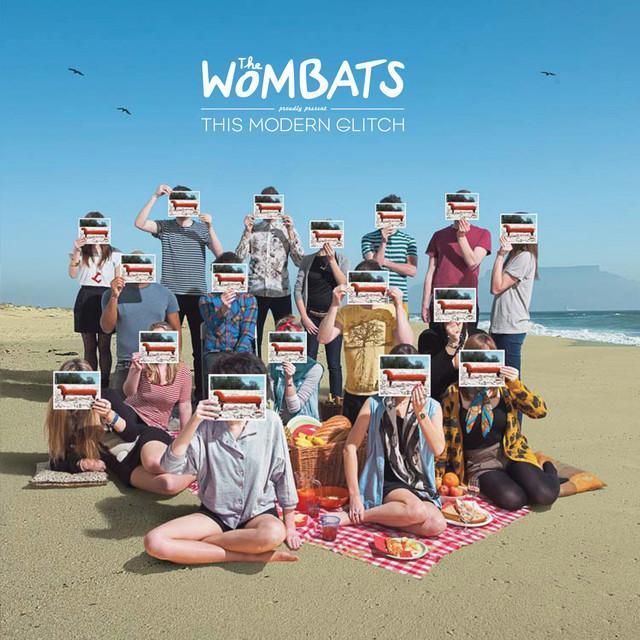
Released on This Modern Glitch in 2011, the track fits The Wombats’ style well: sharp, funny, anxious, and catchy at the same time. The band often writes about modern unease, and this song turns that unease into nostalgia.
A Past That Feels Safer Than the Present
The verses build a memory of the 1990s as a time of small worries and big wonder. The singer admits the world already had serious problems, but as a kid, those events felt far away. Their focus was on things like crushes, embarrassment, sugar rushes, and social status.
That is why details like prank calls
matter. It is not just a funny image. It shows a world of childish concerns, where emotional life was immediate and local, not yet crowded by adult stress.
The same goes for the repeated memory of a cheek kiss. That moment is tiny, but in the song it becomes huge. A simple gesture carries confidence, desire, and social excitement. Back then, even awkward romance felt meaningful.
Watch the official 1996
music video
How the Chorus Changes the Story
The chorus is where memory crashes into the present. The song moves from a warm flashback to a complaint about modern intimacy. When they sing one eye on our T.V. set
, they suggest that attention is split. Even affection is half-watched, half-felt.
Then comes the emotional core: the more I give, the less I get
. That line turns nostalgia into frustration. The problem is not only that the past is gone. It is that the present feels emotionally unbalanced.
Interpretation: the wish to Bring back 1996
is not really about the calendar. It is about wanting relationships to feel vivid again. They are not asking for old fashion, old music, or old trends alone. They want the old intensity.
Teenage Kicks, Adult Disappointment
The phrase teenage kicks
points to youthful thrill, but it also carries pop history. It echoes a famous punk-era idea of adolescence as a burst of energy and feeling. In this song, that idea becomes a measuring stick. Adult life cannot quite match it.
This gives the track a bittersweet edge. The singer knows memory can exaggerate. Still, they cannot shake the belief that something real has been lost.
I need a lover, not a friend tonight,I'm not cut out for the modern life.
That brief closing turn is important. The song stops sounding merely nostalgic and starts sounding desperate. They do not just miss childhood. They feel mismatched with the emotional rules of the present.
Symbols Hidden in Plain Sight
Several images help explain the song’s themes:
- The cheek kiss: innocent romance, but also early confidence.
- Older kids: social pressure and the need to perform coolness.
- Fairground rides: manufactured thrills used to force a spark.
- TV and modern life: distraction, distance, and emotional overload.
- 1996 itself: a symbol of pre-digital innocence, whether fully real or not.
The line about scientific milestones in the 1990s also matters. References to cloning sheep and telescopes place personal memory beside big public change. That contrast is clever: history was moving fast, but the singer remembers private feelings more than public events.
How the Sound Carries the Meaning
Musically, “1996” is bright, tight, and restless. The guitars bounce, the drums keep the song moving, and the melody feels almost celebratory. That upbeat surface creates tension with the lyric’s sadness.
This is one reason the track works so well. If the music were slow and mournful, the point would be obvious. Instead, The Wombats make disappointment sound exciting. That reflects the trap the song describes: modern life is stimulating, but not always satisfying.
Their performance style also helps. Matthew Murphy’s vocal delivery sounds both sincere and slightly frazzled, which suits lyrics about wanting connection but feeling overstimulated. The whole arrangement feels like someone trying to dance away a sinking feeling.
Artist Context Makes the Message Stronger
The album title, This Modern Glitch, gives useful context. Even without taking the title as a strict concept, it frames several songs around anxiety, technology, and emotional dislocation. “1996” fits that world exactly.
Factual credits list Matthew Edward Murphy, Daniel Joseph Haggis, and Tord Øverland Knudsen as the songwriters. That shared writing style helps explain why the song feels both intimate and sharply observed: it has personal detail, but it is shaped into a broad generational statement.
The Best Way to Read the Song
The strongest reading is simple: “1996” is about missing a younger self more than missing a specific year. The narrator remembers a time before cynicism, before divided attention, and before romance started to feel negotiated rather than felt.
A second reading is also possible. Interpretation: the song may gently mock nostalgia even as it uses it. Memory cleans things up. It turns awkward teenage moments into emotional gold. That tension makes the song smarter than a plain throwback anthem.
In the end, the meaning of 1996 The Wombats lies in that push and pull. They know the past cannot return. But the longing still tells the truth: people do not just miss old times. They miss the version of themselves that could feel everything more directly.
Disclaimer: This interpretation is based on the song’s lyrics, musical context, and publicly available credits. As with most songs, listeners may hear meanings that differ from this reading.







