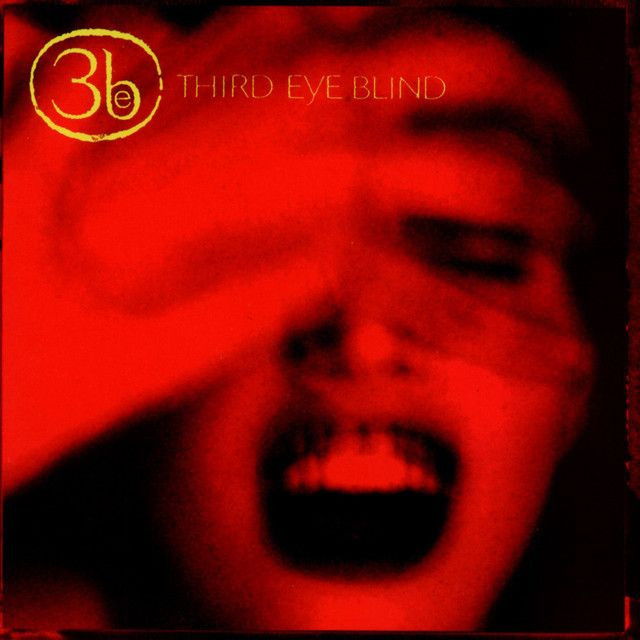
Jumper by Third Eye Blind
Why This Song Still Hits So Hard
The meaning of Jumper Third Eye Blind centers on compassion at the edge of despair. On the surface, the song sounds like a direct plea to someone in crisis. Under that, it becomes a wider argument: people can carry shame, anger, and old wounds so deeply that they stop believing they belong anywhere.
"Jumper" - Third Eye Blind
You could cut ties with all the lies that you've been living in
And if you do not want to see me again
Loading lyrics...
Unable to load lyrics
We're unable to display the lyrics at this time. Please try again later.
Third Eye Blind released the song on their debut album in 1997, and it later became a major hit single in 1998. It reached No. 5 on the Billboard Hot 100 and has remained one of the band’s signature songs. That popularity matters, because a song about pain this serious could have felt heavy or distant. Instead, it became something many listeners heard as comfort.
Watch the official Jumper
music video
A Plea, Not a Lecture
The song’s narrator does not shame the person they are addressing. They ask them to step away from danger, but they do it like a friend, not a judge. The famous opening phrase, step back from that ledge
, is urgent, but it is also gentle.
That balance is the key to the whole track. The singer sees self-destruction, but also sees the hurt beneath it. The person in crisis is described as angry, loud, and unstable, yet those traits are framed as symptoms of deeper pain, not proof that they are beyond help.
This is why the repeated line I would understand
matters so much. The song does not promise an easy fix. It offers empathy first. That makes the message feel human.
Who the Song Was Written About
Factually, Stephan Jenkins wrote “Jumper,” and reporting collected by Songfacts and other sources notes that he connected it to the suicide of a bullied gay teenager, along with his own difficult youth. Jenkins also said the song was about bullying and about learning to face personal demons.
That context sharpens the lyrics. This is not just a dramatic scene about a person on a literal ledge. It is also about social cruelty, alienation, and the damage caused when people are treated like they are wrong for being who they are.
Interpretation: The “ledge” works in two ways at once:
- a literal image of suicide
- a mental and emotional breaking point
- a social edge, where someone feels pushed outside the group
That layered image helps explain why the song has connected strongly with LGBT listeners and with anyone who has felt bullied or isolated.
How the Verses Build the Crisis
The verses show a person whose behavior looks difficult from the outside. They are described through flashes of anger and disorder, including secret pain
and the feeling that you don't belong
. Instead of reducing them to those traits, the song suggests those traits are warnings.
One verse turns almost clinical, with an image of emergency and confusion. The point is not medical realism. The point is chaos. Nobody seems to know how things got this bad, or how to stop it.
Everyone's got to face down the demons
Maybe today, you could put the past away
Those lines shift the song from rescue to healing. They suggest that the crisis of the moment is tied to older pain. Jenkins once told Teen People that the song was very much about putting the past away. That does not mean forgetting trauma overnight. It means refusing to let old damage fully decide the future.
The Chorus Turns Empathy Into Action
Many rock choruses aim for power through certainty. This one works through vulnerability. The singer asks for a step back from danger and offers a path out of lies, but then adds a striking condition: even rejection will be accepted.
That detail gives the song moral weight. If helping someone means they may never want to see the helper again, the singer accepts that cost. In other words, care is not offered for praise or closeness. It is offered because the other person’s life matters.
Interpretation: That is why the chorus feels bigger than a single story. It becomes a model of compassion: intervene, speak clearly, and do not make the suffering person perform gratitude.
How the Sound Softens the Message
“Jumper” is alternative rock with strong acoustic power-pop features. It moves at a moderate pace, around 88 BPM according to published song data, and that tempo matters. The band does not rush the emotion.
The guitars are bright and open rather than dark and crushing. The drums keep the song moving without making it aggressive. Jenkins’ vocal delivery sounds strained enough to feel real, but melodic enough to keep the song from collapsing into despair.
That production choice is smart. A song about suicide and bullying could have been grim. Instead, Third Eye Blind builds a sound that carries concern, sadness, and a little lift. The music keeps saying there is still time.
Why the Song’s Meaning Changed Over Time
Reception shaped the song’s legacy. Jenkins has said that “Jumper” began as more of a lament, but over time became a positive song in performance. That evolution makes sense.
Listeners did not just hear a story about loss. They heard permission to speak to hurting people with kindness. Some heard an anti-bullying anthem. Others heard a mental health song, an LGBT solidarity song, or simply a song about not giving up on someone.
All of those readings fit the text, as long as they stay grounded in its central idea: pain should be met with understanding, not dismissal.
The Lasting Meaning of “Jumper”
The meaning of Jumper Third Eye Blind is not only about stopping one irreversible act. It is about seeing the wounded person before the worst happens. The song argues that anger can hide hurt, distance can hide shame, and a simple act of compassion can matter more than people know.
That is why it endures. They turned a painful subject into a song that still reaches for connection.
Disclaimer: This interpretation mixes documented artist comments with close reading of the lyrics and sound. As with any song, listeners may hear meanings beyond the ones discussed here.









