Why 'Painkiller' Feels So Dangerous
The meaning of Painkiller Three Days Grace comes down to one sharp idea: relief can become a trap. The song speaks in the voice of something—or someone—that promises comfort, escape, and numbness. But every promise carries a threat.
"Painkiller" - Three Days Grace
You know you need to find a way
To get you through another day
Loading lyrics...
Unable to load lyrics
We're unable to display the lyrics at this time. Please try again later.
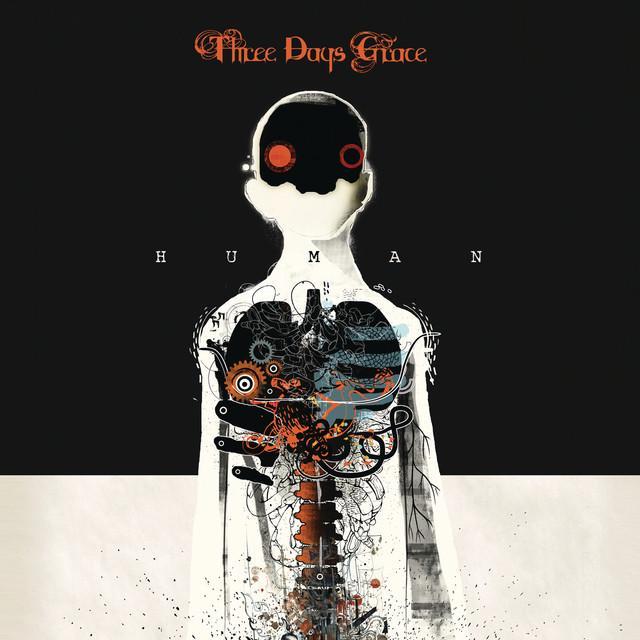
Released as the lead single from Human in 2014 and later included on the 2015 album, the track marked a key new chapter for Three Days Grace with Matt Walst on lead vocals, as noted by the band and major music outlets at the time. That context matters because the song had to sound familiar to longtime fans while proving the band could still deliver a huge hard-rock anthem.
A Voice That Offers Help—and Control
On the surface, the speaker sounds supportive. They seem to know exactly what the other person needs when life gets hard. Early lines suggest somebody worn down and searching for a way through another day. Then the song introduces an offer of relief through phrases like need a fix
and numb you out
.
That is where the song gets darker. The comfort being offered is not healthy healing. It sounds more like dependence. The speaker presents themself as both emotional support and harmful substance, collapsing those two roles into one dangerous image.
Watch the official Painkiller
music video
The Hook Turns Comfort Into Threat
The chorus is why the song sticks. The line I can be your painkiller
is catchy, but it is not kind. It frames the speaker as a cure, while the surrounding imagery makes clear that this cure may also destroy the person using it.
One of the song’s smartest moves is pairing care with deathly risk. The speaker says they can be the shoulder you cry on
, which sounds tender, but then links that comfort to the dose that you die on
. That contrast is the whole point. The song is about how destructive things often arrive dressed as relief.
Three Strong Readings of the Lyrics
Interpretation: The most obvious reading is addiction. The language of fix, dose, fiend, and cure points strongly in that direction. The speaker could be a drug, alcohol, or any substance that keeps calling a person back.
Interpretation: Just as strong is the toxic-relationship reading. In that version, the speaker is a manipulative partner who knows another person’s weaknesses and sells emotional dependency as love. The repeated promise that the other person will keep returning fits this reading well.
Interpretation: The song can also describe a broader coping habit—anything used to avoid pain instead of facing it. That could mean self-destructive behavior, compulsive escape, or even a mindset that feels safe only because it is familiar.
These readings do not cancel each other out. In fact, the song works because it leaves room for all three.
How the Verses Build a Cycle
The story in the lyrics is simple but effective:
- A person is hurting and desperate for relief.
- The speaker offers fast comfort.
- That comfort creates dependence.
- The person keeps coming back.
- The song ends with the same threat still in place.
That cycle explains why the brief question Did you find another cure?
lands so well. It sounds jealous, possessive, and mocking at the same time. The speaker is not just offering relief; they want ownership.
The Sound Makes the Meaning Hit Harder
Musically, “Painkiller” is built like an obsession. The guitars are tight and aggressive, the drums hit with a clean, stomping force, and the chorus relies on repetition to make the title feel almost hypnotic. That matters because the production mirrors the lyric idea: something simple, powerful, and hard to shake.
Matt Walst’s vocal approach also helps. He does not sing the song as a quiet confession. He pushes it outward, almost like a sales pitch or a threat shouted from close range. That gives the narrator a predatory energy.
The band’s choice to keep the arrangement punchy instead of overly complex was smart. It lets the hook do the psychological work. The song does not need subtle music because the theme itself is about brute-force craving.
Why It Fit Three Days Grace So Well
Three Days Grace have long returned to themes of pain, pressure, anger, and survival. “Painkiller” fits that history, but it also served a practical purpose: it introduced a new era without abandoning the band’s core identity.
That is likely why the song connected with rock audiences in the United States. It has the band’s usual emotional intensity, but it packages that intensity in a direct, radio-ready structure. The result is a track that feels personal and theatrical at once.
Final Take on the Song’s Meaning
The meaning of Painkiller Three Days Grace is not that pain has a simple cure. It is that the things people use to escape pain can start talking like saviors. In this song, relief sounds seductive, confident, and fatal.
That is why “Painkiller” still works. It captures the scary truth that what helps somebody survive today may be the very thing that keeps them trapped tomorrow.
Disclaimer: This interpretation is based on the lyrics, band context, and musical choices. Like many rock songs, “Painkiller” supports more than one valid reading.








