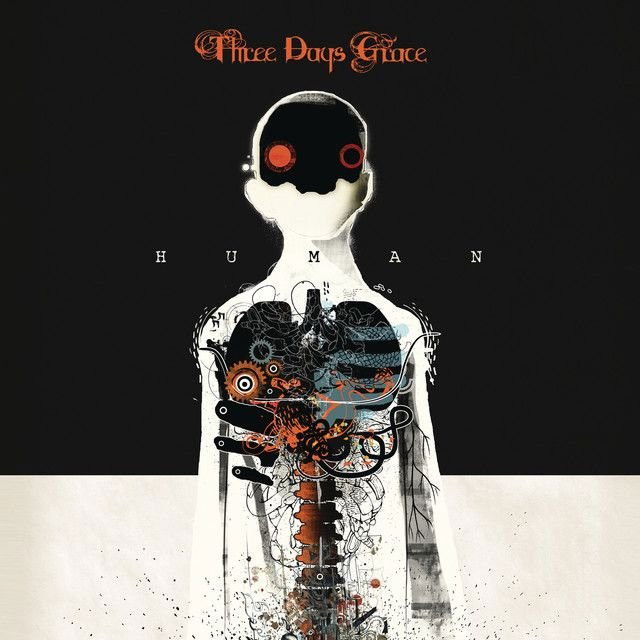
So What by Three Days Grace
Why This Song Hits So Hard
The meaning of So What Three Days Grace is built around one bold idea: they turn criticism into identity. Instead of begging to be understood, the song answers judgment with a shrug, a grin, and a blast of distorted guitars. It is a song about being labeled unstable, wild, or wrong, then refusing to let those labels define worth.
"So What" - Three Days Grace
So what if I'm sicker than sick?
So what if I'm out of control?
Loading lyrics...
Unable to load lyrics
We're unable to display the lyrics at this time. Please try again later.
That message matters in the context of Human, the 2015 album where the song appears. The album arrived during a new era for the band, after Matt Walst became lead singer in 2013, replacing Adam Gontier. On the Human album, Three Days Grace leaned into a direct, muscular hard-rock style, and “So What” fits that approach perfectly.

Watch the official So What
music video
The Core Meaning: Defiance as Self-Acceptance
On the surface, the song sounds like a simple rebellion anthem. People call the speaker broken, reckless, and too intense. The answer is not apology. It is closer to: yes, maybe, and they do not care.
That is why the repeated hook matters. When the song says So what?
, it is not just being rude. It is rejecting shame. The phrase becomes a shield against outside judgment.
Matt Walst explained the song’s intent in an Artist Direct comment, summarized by Songfacts, as a celebration of being different, being “crazy,” and having fun while out of control. That statement gives useful context: the song is meant less as a cry for help than as a refusal to be normal just to make others comfortable.
How the Verses Build the Argument
The verses set up a push-and-pull between accusation and response. The speaker imagines what others say about them: that they are going insane
, not quite right
, and somehow beyond repair. These phrases are harsh, but the song uses them in a clever way.
Instead of denying the insults, they absorb them and drain them of power. The line about liking it that way suggests something deeper than rebellion for its own sake. The speaker has stopped measuring themselves by polite standards.
I am who I am
and I'll never be like you
This is the song’s clearest mission statement. It frames the conflict as more than personal chaos. It is also about resisting pressure to conform.
Chorus as a Challenge, Not a Confession
What the refrain really does
The chorus sounds exaggerated on purpose. Phrases like out of control
push the emotion to the edge, almost like they are taking the worst possible description and wearing it proudly. In that sense, the hook is theatrical. It knows exactly how dramatic it sounds.
Interpretation: The song may be using extreme language to expose how often society treats difference as danger. By repeating those words, Three Days Grace make them feel less like diagnoses and more like badges.
This is why the chorus is catchy. It turns pain into a chant. Listeners do not need every detail of the backstory to understand the emotion. They recognize the feeling of being judged and wanting to answer back.
The Most Revealing Section Is the Bridge
The bridge shifts the song from social conflict to emotional instability. It contrasts emotional highs with deep lows, then lands on a repeated word: desperate
. That moment adds tension to the song’s message.
Up to that point, “So What” can sound almost carefree. But the bridge shows the cost of living on extremes. The speaker may celebrate chaos, yet they also admit that the downswings are real.
Interpretation: This is what keeps the song from being one-note. It is not simply saying that being wild is fun all the time. It hints that the same intensity that makes life thrilling can also make it painful.
How the Sound Carries the Meaning
Three Days Grace deliver the message through blunt, radio-ready hard rock. The guitars are thick and compressed, the drums hit with a steady punch, and the chorus is built for crowd shouting. That production style supports the song’s theme because it leaves little room for doubt or softness.
Matt Walst’s vocal performance is especially important. He sings with a mix of sneer and strain, which fits a lyric that balances confidence with inner turmoil. The band had already shown on Human that they were returning to a heavier, more aggressive sound, and “So What” uses that force to make defiance feel physical.
The structure also helps. Verses pile up accusations, choruses answer with release, and the bridge briefly exposes the emotional crash underneath. It is a familiar rock design, but it works well because the song’s meaning depends on tension between public image and private feeling.
Artist Context Shapes the Reading
Because “So What” came during the Matt Walst era, some listeners heard it as a statement of identity from a band in transition. Factually, the song sits on an album released March 31, 2015, after a major lineup change and during a commercially strong run for the group. Human reached No. 16 on the Billboard 200 and topped the U.S. hard rock chart, showing that Three Days Grace still had a large audience.
Interpretation: That context can make the song sound like a band refusing to apologize for evolving. Even if the lyric was not written specifically about the lineup shift, it fits that moment well: critics may talk, but the band will keep moving.
Final Take on the Meaning of So What Three Days Grace
The meaning of So What Three Days Grace comes down to defiant self-ownership. The song takes insults, flips them around, and turns them into a loud refusal to conform. At the same time, the bridge suggests that this attitude is not pure swagger; it sits next to emotional extremes and vulnerability.
That balance is why the song lasts. It is fun, angry, and a little uneasy all at once. Interpretation disclaimer: song meaning is never fully fixed, and listeners may hear “So What” as empowerment, instability, or both depending on their own experience.









