Why 'Black and White' Still Sounds Hopeful
The meaning of Black And White Three Dog Night is simple on the surface and powerful underneath. The song argues that racial equality should not be hard to understand. Using the language of childhood, learning, and everyday contrast, it says that black and white people belong together in the same world.
"Black And White" - Three Dog Night
Together we learn to read and write
A child is black, a child is white
Loading lyrics...
Unable to load lyrics
We're unable to display the lyrics at this time. Please try again later.
Three Dog Night turned that idea into a bright, radio-friendly hit in 1972. Their version reached No. 1 on the Billboard Hot 100, making a moral message feel communal rather than preachy (Billboard). That matters, because this is not a private confession song. They perform it like a public statement.
A Plainspoken Song With a Big Social Message
At its core, the song says children can see what adults often complicate. The opening image joins the ink is black
with a white page. That pairing does two things at once: it names visible difference, and it shows how difference can work together to create meaning.
From there, the song moves to children. When it says a child is black
and a child is white
, it is not setting up conflict. It is presenting the fact of racial difference and then refusing to treat it as a problem. The lyric frames that sight as beautiful, not threatening.
Interpretation: The song suggests prejudice is learned later, while equality is easier to grasp when seen through the eyes of children.
Watch the official Black And White
music video
How the Verses Build the Argument
The writing by Earl Robinson and David Arkin is striking because it uses very basic words to make a moral case. Rather than debate politics directly, the song builds a series of connected examples:
- Black ink and a white page create reading and writing.
- Day and night keep the world turning.
- Black and white children grow up together.
That structure turns contrast into harmony. The line learn to read and write
links education with social progress. In other words, understanding fairness is part of learning itself.
Later, the song says children grow to see the light
. Paraphrased, that means they come to recognize truth, justice, or shared humanity. The phrase has a spiritual sound, but the message stays grounded. The song is less about religion than about moral clarity.
The Chorus Turns Equality Into a Shared Vision
The repeated lines are what make the song stick. Each return to black and white imagery broadens the scale. It starts with the page, then moves to children, then to the whole world. That widening lens makes the message feel universal.
There is one especially important line:
Together they grow to see the light
to see the light
This is the song's emotional center. It imagines unity as something built over time, not forced in a moment. Growing together matters more than just standing side by side.
Interpretation: The chorus is not only describing racial harmony. It is trying to make listeners hear harmony in the act of singing along.
Why Three Dog Night's Sound Fits the Message
Three Dog Night were known for turning outside songs into major pop-rock records, often with huge choruses and strong vocal blend (Rock & Roll Hall of Fame). On Black and White
, that approach helps the lyric.
The arrangement is upbeat, crisp, and open. Instead of sounding heavy or mournful, the track feels celebratory. That is a smart choice. A darker arrangement might have made the song feel like a lecture. Here, the band lets rhythm and vocal energy sell the idea that equality is joyful.
The call-and-response feel near the end, with its chant-like momentum, makes the song sound collective. It is easy to imagine a crowd joining in. That communal effect turns the message into action: people are not just hearing unity, they are practicing it by singing together.
Context: Why the Song Hit in the Early 1970s
Three Dog Night released their version during a period when the United States was still living through the aftermath of the civil rights era's biggest legal wins and social battles. By the early 1970s, songs about freedom, justice, and shared humanity still carried real political weight.
This helps explain why the record connected. It offered optimism without pretending division did not exist. The phrase dance of liberty
points toward freedom as something lived, public, and joyful, not just written in law.
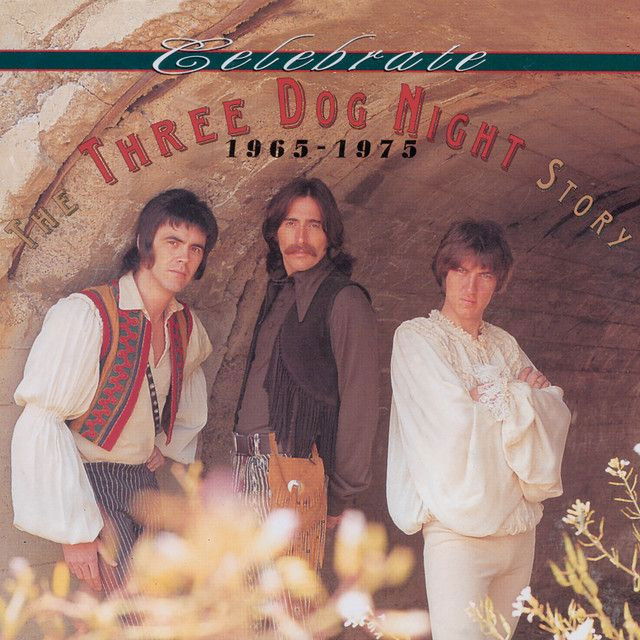
The band's own name has an unusual backstory, often explained as an idiom for a very cold night requiring three dogs for warmth; accounts tied to the group's origin have circulated for years in band-history commentary (Quora summary citing Celebrate: The Three Dog Night Story). That fact does not shape the song's meaning directly, but it is a reminder that Three Dog Night often brought vivid, memorable images into the pop mainstream.
A Children's Song, a Protest Song, or Both?
One reason the song lasts is that it can work on more than one level.
Reading One: A direct civil-rights statement
This is the clearest reading. The song says racial equality is beautiful, obvious, and necessary. It rejects segregation in the plainest language possible.
Reading Two: A lesson about human interdependence
The repeated opposites also suggest a broader idea: the world is built from contrast. Black and white, day and night, ink and paper all need each other to create meaning. In that reading, race is the central example, but the lesson reaches beyond it.
Why the Song Still Matters Now
The meaning of Black And White Three Dog Night still lands because the song does not hide behind complexity. Its childlike language is not weakness. It is strategy. The writers strip the issue down until the moral truth sounds hard to argue with.
That is why the song still feels fresh. It reminds listeners that fairness can be both basic and radical.
Disclaimer: This interpretation separates documented facts from informed reading. Songs can support more than one meaning, and listeners may hear different shades in the same lines.








