Why 'Ich find dich scheisse' Still Stings
The meaning of Ich find dich scheisse Tic Tac Toe is simple on the surface and sharper underneath: it is a public takedown of arrogance, vanity, and fake social performance. Tic Tac Toe do not hide behind subtle poetry here. They build a song that says some people are unbearable not because they are confident, but because they confuse attention, money, and looks with real worth.
"Ich find dich scheisse" - Tic Tac Toe
Machste hier 'ne riesen Welle
Eingebildet arrogant
Loading lyrics...
Unable to load lyrics
We're unable to display the lyrics at this time. Please try again later.
That directness is a big part of why the track stuck. It sounds funny, rude, and catchy, but its core message is moral: stop acting superior, stop performing for approval, and stop treating personality like a brand.
A Pop-Rap Insult With a Bigger Target
At first listen, the song seems to be about one annoying person. In fact, it moves through a few types. One verse mocks a flashy man who thinks a car and swagger make him special. Another turns to a beauty-obsessed woman wrapped in makeup, perfume, and self-regard. Later, the song takes aim at someone who talks endlessly about being cool.
The pattern matters. Tic Tac Toe are not just insulting random strangers. They are attacking a whole style of behavior: people who think image is everything. Short phrases like "riesen Welle"
and "alles dreht sich nur um dich"
frame that problem clearly. The song paints self-importance as noisy, exhausting, and deeply unattractive.

Watch the official Ich find dich scheisse
music video
What the Chorus Really Means
The chorus is the song’s blunt weapon. When they repeat "Ich find' dich scheiße"
, they are not offering a careful critique. They are drawing a line. The hook reduces all the posing in the verses to one conclusion: this behavior deserves rejection, not admiration.
Interpretation: The repetition also suggests built-up frustration. Instead of one clever insult, the group uses a chant. That makes the song feel collective, as if they are speaking for everyone who has had enough of smug people dominating a room.
"Sei doch einfach wie du bist denn ich glaub dir ... Sprüche nicht"
This is the closest thing the song has to advice. Beneath the aggression, it argues for authenticity. They are not saying confidence is bad. They are saying fake confidence is easy to see through.
The Song’s Social World
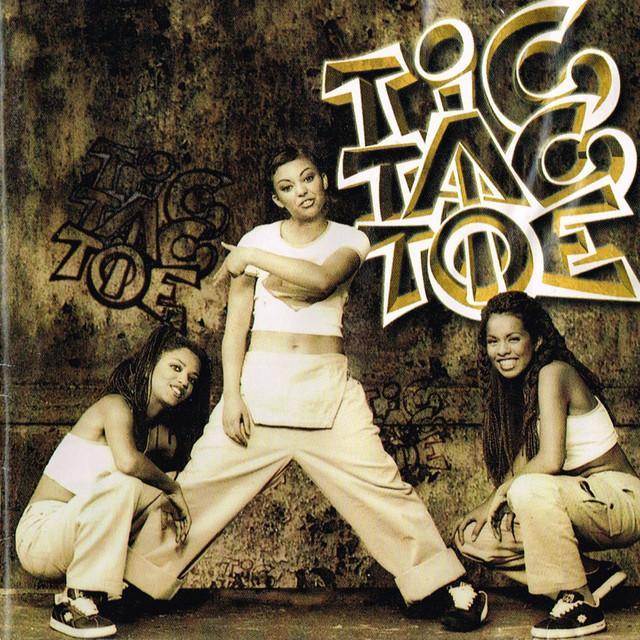
Tic Tac Toe emerged as one of Germany’s most visible 1990s girl groups, mixing pop and rap with bold, conversational lyrics. Basic factual background on the trio and their success is widely documented in coverage of the group and their discography, including reference sources such as Wikipedia’s artist overview. That context helps explain why this song hits the way it does.
Their music often sounded like teenage and young adult speech turned into hooks. In this track, the insults are exaggerated, but the situations are recognizable: the rich show-off, the mirror addict, the social climber. For U.S. listeners, it may feel like a European cousin to 1990s pop songs that mocked shallow popularity.
How the Verses Build the Theme
Each verse adds a different face to the same problem.
- The first verse attacks ego tied to wealth and status.
- The second goes after obsessive beauty culture.
- The third mocks empty bragging and the hunger to belong.
That third move is especially important. A phrase like "nur dazu gehören"
suggests that beneath the fake coolness is insecurity. The target wants acceptance so badly that they build a fake persona. The song still mocks them, but it also hints at the sadness under the performance.
Interpretation: This makes the song more than a simple insult record. It sees vanity as both annoying and fragile.
Why the Sound Makes the Message Land
The production is bright, rhythmic, and punchy. Instead of sounding dark or tortured, the song rides a playful pop-rap beat. That choice matters. A heavy ballad would make the message feel wounded. This instrumental makes the takedown feel public and almost gleeful.
The vocal delivery is also key. Tic Tac Toe sound clipped, conversational, and group-centered. They do not sing these lines like private diary entries. They fire them off like schoolyard truth bombs. That gives the song a chant-like energy, making the criticism easy to remember and easy to shout along with.
From a meaning standpoint, that contrast is smart: the beat invites fun, while the lyrics deliver social judgment. The result is a song that can work as comedy, catharsis, and critique at once.
A Gendered Satire, Not a Gentle One
One tricky part of the song is its broad caricature. It mocks both male and female vanity, but it does so with harsh stereotypes. Some listeners may hear that as equal-opportunity satire. Others may hear it as mean-spirited.
Both reactions are fair. Factually, the lyrics are confrontational and intentionally rude. Interpretation: Their purpose seems less about nuanced character study and more about exposing types of social performance that were common in youth culture: showing off, dressing for status, and talking big without substance.
Why It Still Connects Now
The meaning of Ich find dich scheisse Tic Tac Toe still feels current because image culture did not disappear. If anything, social media made its themes bigger. The song’s targets now look familiar in new forms: flexing wealth, curating perfection, and chasing approval through performance.
That is why the track still lands. Its language is very 1990s, but its complaint is timeless. People still know the type. And many still enjoy hearing someone say, without apology, that fake cool is not cool at all.
Final Take
Tic Tac Toe turned irritation into a pop anthem. Beneath the insult, the song argues that authenticity matters more than beauty, money, or bragging rights. Its hook is crude, but its point is clear: the worst thing about these characters is not how they look, but how badly they want to be admired.
Disclaimer: This interpretation combines lyrical analysis with cultural context. Like all song meaning pieces, some readings are interpretive rather than confirmed by the artists themselves.








