
Why 'Pobre De Ti' by Tijuana No! Still Stings
For listeners searching for the meaning of Pobre De Ti Tijuana No!, the song lands fast and hard. It is short, repetitive, and easy to sing along with, but its message is not light. Beneath the chant-like hook is a bleak picture of survival, loneliness, and a social world where people are expected to hurt others before they get hurt themselves.
"Pobre De Ti" - Tijuana No!
Te lo da el de la esquina, lo sabes
Si no das el trancazo tú
Loading lyrics...
Unable to load lyrics
We're unable to display the lyrics at this time. Please try again later.
Tijuana No! came out of the border city of Tijuana and built a reputation for mixing ska, punk, and rock with social criticism. According to Wikipedia, the band became internationally known when Culebra/BMG promoted "Pobre de Ti" in 1992. That context matters, because this is not just a personal breakup song or a casual street tale. It sounds like a song about a broken environment.
A Small Story With a Bigger Target
On the surface, the lyrics tell a simple story. Someone lives by a brutal rule: if they do not hit first, someone else will. The song repeats that idea with the phrase Si no das el trancazo tú
, then answers with the threat that the person on the corner will do it instead. In plain English, the world of the song feels ruled by preemptive violence.
Then the song shifts. It says the person ended up in jail, and no one came to visit. That detail changes the emotional center. The track is no longer only about aggression; it is about abandonment. The repeated title phrase Pobre de ti
sounds like pity, but it also carries sarcasm. They are not hearing soft comfort. They are hearing a hard truth: no one is coming to save them.
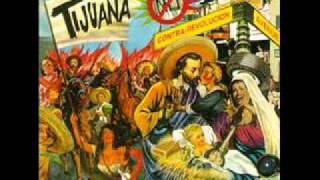
Watch the official Pobre De Ti
music video
How the Verses Build the Theme
The first idea in the song is pressure. The line built around el de la esquina
creates an everyday setting, not a dramatic fantasy. Danger is nearby, ordinary, and expected. The threat lives on the block, not in some distant battlefield.
The second idea is consequence. Once the song says Estabas en la cárcel
, the earlier warning has become reality. They did what the street logic demanded, or at least got trapped in that world, and the end result is prison.
The third idea is social abandonment. The detail nadie fue
is one of the saddest moments in the song because it strips away any illusion of loyalty. Whether the person was feared, tough, or simply unlucky, they are now alone.
Pobre de ti
Pobre de ti
This tiny refrain is the song’s emotional hammer. Repetition makes it feel public, almost like a crowd speaking at once.
What the Chorus Really Means
Interpretation: the chorus can be heard in two ways at the same time.
First, it can mean genuine pity. The character is trapped in a cycle of violence and punishment. Their life is sad, and the chorus mourns that.
Second, it can sound mocking or bitter. In that reading, the song says: this is the system they accepted, and now they are paying for it. The power of the track comes from not choosing only one meaning. It lets sympathy and judgment sit together.
That tension fits Tijuana No! well. The band often wrote about systems of power, border tensions, and social struggle, so a phrase that sounds both compassionate and accusatory makes sense in their style.
Why the Sound Matters So Much
The arrangement helps explain the meaning of Pobre De Ti Tijuana No! just as much as the lyrics do. Tijuana No! worked in a hybrid of ska, punk, and rock, with a beat designed for movement rather than quiet reflection. That matters because the song’s message is dark, but the music pushes outward.
Instead of sounding private, the track sounds communal. The rhythm feels like something meant for a crowd, a club, or a protest space. That contrast gives the song its bite. A sad story wrapped in danceable force suggests that this pain is not one person’s secret; it is a shared social condition.
Early Tijuana No! also included musicians such as Cecilia Bastida and Julieta Venegas, who are part of the band’s early history and are connected to the song’s writing credits. Their scene mixed alternative energy with political awareness, which helps explain why the song feels both raw and purposeful.
Border-City Context Changes the Reading
Tijuana No! were known for social criticism and for addressing larger political realities in their work. In that setting, “Pobre De Ti” can be heard as more than a portrait of one jailed person. Interpretation: it may point to communities shaped by poverty, policing, street pressure, and weak support systems.
The jail image is crucial here. The song does not describe justice, healing, or redemption. It only shows punishment and neglect. That absence says a lot. The person is visible enough to be locked up, but not valued enough to be visited.
For U.S. listeners, this border context gives the song extra force. Tijuana has long been imagined from the outside in simplified ways, but Tijuana No! answer with something more human and more critical. They show a world where violence is learned, consequences are real, and empathy arrives too late.
The Lasting Takeaway
The meaning of Pobre De Ti Tijuana No! lies in how much it says with so little. It is a song about survival rules, social failure, and the loneliness waiting at the end of the line. Its repeated hook sounds catchy, but it leaves a bruise.
That is why the song lasts. They turn a few blunt images into a wider statement about what happens when a community teaches people to strike first and then forgets them when they fall.
Disclaimer: This interpretation is based on the lyrics, the band’s known context, and the song’s musical style. Like all art, the song can support more than one reading.







