Why 'Indian Outlaw' Still Divides Listeners
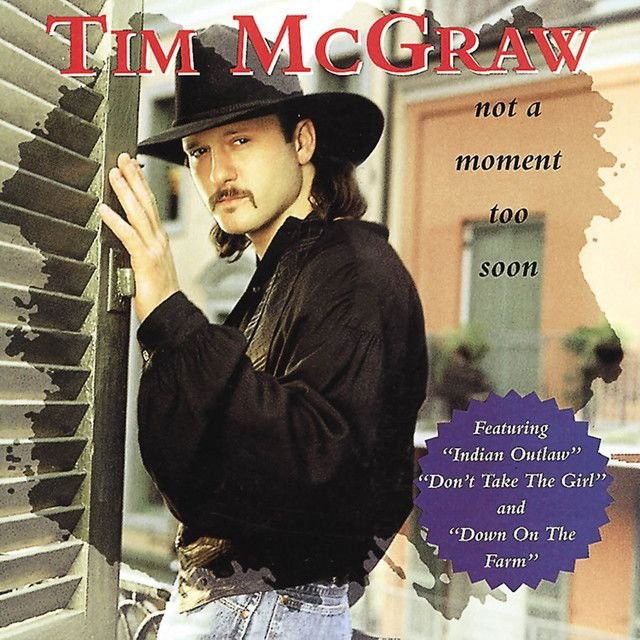
The meaning of Indian Outlaw Tim McGraw starts with a contradiction: it is fun, catchy, and built to be memorable, but it is also one of the most debated songs in his catalog. Released in 1994 as the lead single from Not a Moment Too Soon, it became Tim McGraw's breakthrough hit, reaching No. 8 on Billboard's country chart and No. 15 on the Hot 100, with later Platinum certification in the U.S. Those facts help explain why the song matters, even now.
"Indian Outlaw" - Tim McGraw
Half Cherokee and Choctaw
My baby she's a Chippewa
Loading lyrics...
Unable to load lyrics
We're unable to display the lyrics at this time. Please try again later.
More importantly, the record is not just a simple cowboy-country anthem. It uses a first-person character to act out a loud, teasing, rebellious identity. That is what gives the song its hook, and what creates its problems.
A Novelty Hit With Real Career Stakes
Factually, McGraw himself later described the song as a strange, risky choice, calling it a brief and memorable kind of novelty on a 2016 media panel, as reported by Songfacts. He also said he had played it in clubs for years before recording it, and that his label did not initially support it. Those details matter because they frame the song as a gamble, not a safe mainstream single.
That gamble paid off. The production made the song impossible to ignore. According to reference summaries of the single's release and chart run, it was recorded in 1993, released in January 1994, and produced by Byron Gallimore and James Stroud. It helped launch McGraw from a new artist into a star.
Watch the official Indian Outlaw
music video
The Core Idea Behind the Lyrics
At the center, the song presents a swaggering narrator who calls himself Indian outlaw
. They boast about ancestry, romance, toughness, and desirability in a comic, exaggerated way. The speaker is less a realistic person than a cartoonish rebel figure.
Interpretation: The song seems to be using an outlaw pose that country music already loves, then dressing it in borrowed tribal imagery. In other words, it is less about Native life than about attitude. The singer wants to sound dangerous, sexy, funny, and free.
That is why so many lines feel like bragging. Phrases such as Bear Claw
and one of a kind
turn the narrator into a legend in his own mind. Even the flirtation is oversized and jokey rather than intimate.
How the Story Moves From Joke to Persona
The verses work like short scenes:
- The narrator introduces himself with tribal labels and a lover.
- He describes family and home life in playful, exaggerated images.
- He shifts into flirting and macho self-promotion.
- He adds hunting boasts and sexual humor.
That structure keeps the song moving fast. Each verse piles on more identity markers, but not in a reflective way. The goal is speed, color, and punchline.
A useful clue is the line about my wigwam
. In context, it is not there to teach anything about culture. It functions as a prop in the character's stage set. The same is true of the percussion references and hunting imagery. They build a costume.
Why the Chorus Is Catchy and Unsettling
The chorus is the engine of the record. It repeats ancestry and romance in a way that is easy to remember, which is part of why the single crossed beyond country radio. It turns identity into a slogan.
Interpretation: That is also why the song can feel shallow. Instead of exploring heritage, it lists tribes and symbols as if they were colorful accessories. The repetition makes the character stick in the ear, but it also flattens the culture being referenced.
Near the end, the song briefly quotes the older refrain Cherokee people
, nodding to John D. Loudermilk's "Indian Reservation." That moment gives the ending a dramatic lift, but it does not really deepen the song's point. It works more as a sonic stamp than a thoughtful conclusion.
So proud to live
So proud to die
Those borrowed lines sound serious and solemn, which creates a strange contrast with the novelty tone of the verses.
The Sound Tells the Same Story
Musically, the song is uptempo and theatrical. Reports on the single describe it as being set in a minor key and backed by tom-tom drums and fiddle. That blend is important. The drums signal danger and exoticism, while the fiddle keeps it tied to commercial country.
The result is a track that feels like a show. McGraw's vocal is playful and confident, almost grinning through the performance. They are selling a character more than an emotion.
Interpretation: The production supports the lyric's surface-level identity play. It does not ask the listener to sit with complexity. It asks them to react fast, sing along, and enjoy the spectacle.
Why It Drew Backlash
The song's controversy is well documented. Some radio stations reportedly refused to play it, and critics argued that it leaned heavily on Native American clichés. A Billboard review, often cited in summaries of the song's reception, praised its catchiness while also warning that it was packed with stereotypes.
That criticism is central to the song's meaning today. Modern listeners often hear it less as harmless fun and more as an example of how pop culture can turn real identities into costumes. Even if the writers intended humor or harmless exaggeration, reception changed the legacy.
The Best Way to Read It Now
The meaning of Indian Outlaw Tim McGraw is not hidden. It is a high-energy persona song built on swagger, novelty, and quick imagery. Its success came from bold production and a hook that radio could not ignore.
But the same qualities that made it a hit also made it divisive. Interpretation: The song is best understood as a snapshot of 1990s country marketing and performance, where memorable style often beat cultural sensitivity.
That leaves two truths side by side: it was a career-making single, and it remains a controversial one.
Disclaimer: This article offers interpretation alongside documented facts about the song's release, sound, and reception. Meaning can vary by listener.







