Why Tim McGraw Dreams of Green Grass
The meaning of Where the Green Grass Grows Tim McGraw comes down to a simple but lasting idea: success does not mean much if daily life feels empty. In this song, they present a narrator worn down by traffic, cheap meals, noise, and disconnection. What they want instead is not luxury. They want a life with room to breathe, a partner close by, and a future that feels rooted.
"Where the Green Grass Grows" - Tim McGraw
Red ants marchin' into the night
They disappear to the left and right, again
Loading lyrics...
Unable to load lyrics
We're unable to display the lyrics at this time. Please try again later.
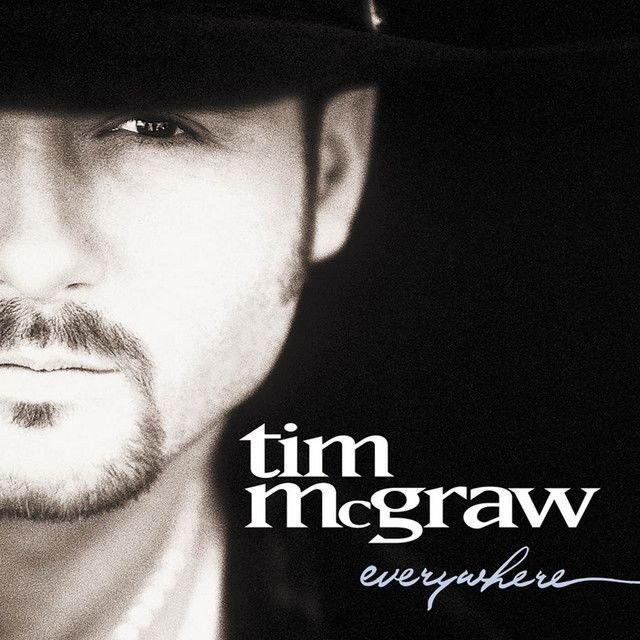
Recorded by Tim McGraw and released as a single in 1998 from Everywhere, the song was written by Jess Leary and Craig Wiseman and became a No. 1 country hit. It was produced by Byron Gallimore, Tim McGraw, and James Stroud, and its strong chart run helped cement it as one of McGraw's defining late-1990s singles.
A City-to-Country Story in Miniature
At the surface, the plot is clear. The narrator is stuck in urban grind: highways, bad food, physical stress, and a life that feels crowded but lonely. Early images like Six lanes, taillights
and a map dot
set up the contrast between city sprawl and small-town roots.
They are not just describing geography. They are showing a split between two ways of living. One is fast, anonymous, and exhausting. The other is slower, more human, and tied to land and family.
Interpretation: The song is less about rejecting cities as places and more about rejecting a life that has lost its center. The narrator once left home chasing something bigger, but now sees that bigger is not always better.

Watch the official Where the Green Grass Grows
music video
How the Chorus Turns a Complaint Into a Dream
The chorus is the emotional engine of the song. After the pressure of the verses, it opens into a vision of home, love, and long-term peace. Phrases like green grass grows
and peaceful river flows
create a picture of stability rather than excitement.
This matters because the chorus is not only about moving somewhere else. It is about planting a future. The lines about raising children and pointing rocking chairs west imagine old age, commitment, and continuity. They are dreaming of a whole life, not a weekend escape.
Raise our kids where the good Lord's blessed
Point our rockin' chairs towards the west
Even here, the song keeps the language plain. That simplicity is part of its power. It sounds like everyday speech, which makes the dream feel reachable.
The Key Symbols Hidden in Plain Sight
Several images carry more meaning than they first seem to.
Roads, sacks, and bars
The opening details are practical and bleak. Fast food, traffic, and an aching body suggest a life reduced to routine. Later, when the narrator says there are bars on my heart
, the song shifts from social complaint to emotional confession. The city has not only tired them out; it has closed them off.
Corn rows and river water
By contrast, farm imagery stands for order, patience, and renewal. Corn grows row by row, slowly. Rivers flow steadily. These are natural rhythms, the opposite of city rush. The song makes rural life feel healing because it moves at a human pace.
Home as belonging
The small-town past matters too. When the narrator recalls being from a map dot
, they acknowledge humble origins. But the song does not treat that background as something to be ashamed of. Instead, it becomes the source of their truest values.
Why the Sound Matters as Much as the Words
Part of the song's appeal comes from its arrangement. Critics have pointed to its memorable opening fiddle and tight production, and that description fits what listeners hear. The fiddle immediately signals country identity, while the rhythm stays bright and easy enough for radio.
That balance matters. The production does not sound mournful or angry. It sounds confident, even relieved. The narrator is tired, but the music already lives in the world they want to reach. In that way, the track lets listeners feel the destination before the story gets there.
Interpretation: The polished late-1990s country sound also helps the song bridge two audiences at once: people in rural communities and people in suburbs or cities who still longed for a simpler life.
The Real-World Context Behind the Lyrics
Songfacts reports that writers Craig Wiseman and Jess Leary were both feeling worn down by urban life when they wrote the song, with Wiseman later explaining that they wanted to capture being tired of the city and wanting to get back to roots. That background supports the lyric's honesty. This is not abstract nostalgia; it comes from a real feeling of burnout.
The song also connected widely. It hit No. 1 on the U.S. country chart, reached the Billboard Hot 100, topped Canada's country chart, and was later certified 2× Platinum in the United States. Its success suggests that many listeners heard their own lives in its tension between ambition and peace.
Why the Song Still Connects
The meaning of Where the Green Grass Grows Tim McGraw still feels relevant because the pressure it describes has not gone away. Long commutes, processed meals, unknown neighbors, and emotional fatigue remain common parts of modern life.
What keeps the song from feeling naive is that it does not promise perfection. It offers a different set of priorities: closeness, faith, family, nature, and enough quiet to hear oneself think. That is why the chorus lands so well. It is less a fantasy of escape than a statement about what kind of life is worth building.
Final Take on Its Message
At heart, this song says that peace can be more valuable than status. Tim McGraw's performance turns that idea into something warm, specific, and memorable, helped by strong writing and a classic fiddle-led sound.
This interpretation is based on the lyrics, available songwriter comments, and the song's production context. Like all art, listeners may hear its meaning differently.








