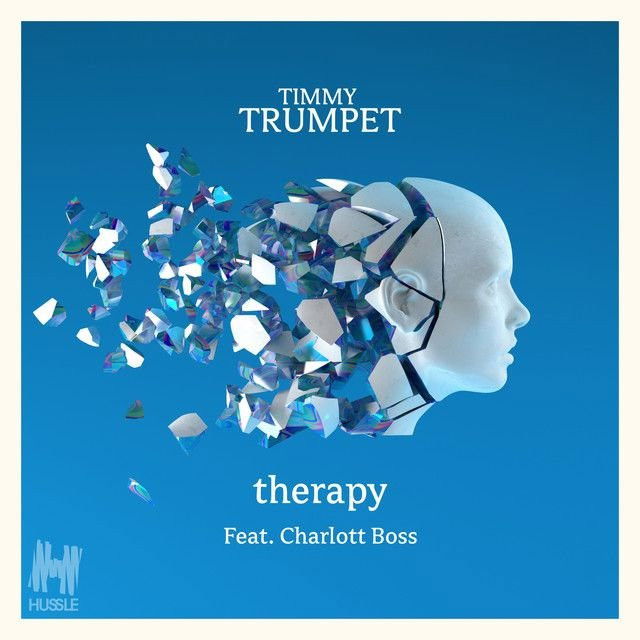
Why "Therapy" Turns Chaos Into Belonging
The meaning of Therapy Timmy Trumpet, Charlott Boss starts with a simple idea: this is a song about release. It takes the language of mental strain and turns it into a loud, communal anthem. Instead of sounding heavy or closed-off, the track feels open, direct, and almost celebratory.
"Therapy" - Timmy Trumpet, Charlott Boss
Every geek, every freak is a friend to me
Shout and disagree, be my enemy
Loading lyrics...
Unable to load lyrics
We're unable to display the lyrics at this time. Please try again later.
Timmy Trumpet is known for huge festival records and high-impact live energy, while Charlott Boss brings the topline and emotional center here. Based on the writing credits provided, the song was written by Charlotte Boss, Duncan Townsend, Jeremy Alexander Bunawan, Kraans De Lutin, and Timothy Jude Smith, Timmy Trumpet’s real name. That matters because the song feels built from two worlds at once: emotional confession and EDM spectacle.
The Core Meaning Hides in Plain Sight
At its center, the song says a person may feel messy, overwhelmed, or out of step with the world, but they are still trying to become who they are meant to be. The opening idea points toward self-acceptance through the line mentally how I’m meant to be
. Rather than sounding polished or perfect, the speaker sounds like someone asking for room to be human.
That is where the title becomes important. When the chorus says I need therapy
, it can be heard two ways. On the literal level, it names emotional need. On the pop-dance level, it turns therapy into a metaphor for catharsis: singing, shouting, dancing, and releasing pressure in public.
Interpretation: The song does not mock therapy. Instead, it uses the word as a bridge between private struggle and collective healing.
Watch the official Therapy
music video
A Dancefloor for Outsiders
One of the song’s strongest lines is its welcome to people on the margins. The phrase every geek, every freak
presents the dancefloor as a place where difference is not just allowed but embraced. That makes the song feel wider than a personal confession.
It is not only about one speaker needing help. It is also about finding a group where strange, loud, awkward, or intense people belong. In that sense, the song connects to a long dance-music tradition: the club or festival as a temporary home for people who feel misread elsewhere.
The next idea pushes further. When the lyric says shout and disagree
, the song allows conflict into that space too. This is unusual. Many anthems about togetherness erase tension. Here, disagreement does not cancel belonging. It becomes part of being alive, expressive, and emotionally honest.
The Hook Works Like a Chant
A lot of the track is built from repetition and vowel sounds rather than detailed storytelling. That is not a weakness. It is the point. The repeated vocal run functions less like narrative and more like a ritual chant.
In practical terms, that makes the song easy to sing in a crowd. Emotionally, it suggests that some feelings cannot be explained neatly. Sometimes people do not have a speech; they have a yell, a loop, or a sound. The chorus captures that state.
Open it up
’Cause I need therapy
Those short lines sum up the whole emotional movement: open up, let it out, and transform pressure into sound.
What the Ending Adds
Late in the song, the perspective widens. The lines about having a place again and being high above the world
shift the mood from need to arrival. The speaker is no longer just asking for relief. They seem to have found a zone where they can breathe.
Then the song moves into a shared point of view with we’re in our space again
. That change matters. The track begins in personal need and ends in collective refuge. What started as “I” becomes “we.”
Interpretation: This ending suggests that therapy, in the song’s emotional logic, is not only treatment. It is also reunion—with a crowd, a scene, or a freer version of the self.
How the Production Carries the Message
The production is crucial to the song’s meaning. Even without a detailed arrangement breakdown from official notes, the track clearly follows the logic of big-room and festival EDM: chant-ready vocals, strong rhythmic build, and a payoff designed for mass response.
That sound supports the lyric in three ways:
- Repetition creates release. The looping vocal phrases mirror obsessive thoughts, then turn them into something physical and communal.
- Scale creates belonging. A huge drop or crowd-sized hook makes one person’s stress feel shared by thousands.
- Brightness counters the subject. The track sounds energized rather than defeated, which reframes emotional need as survivable.
Timmy Trumpet’s style often mixes high-intensity dance production with performance drama, so the song fits his broader artistic identity. Charlott Boss’s vocal presence gives the track a human core, keeping it from becoming only a rave slogan.
A Few Plausible Readings
There are at least two strong ways to hear the song.
Reading One: A Mental Health Anthem
This reading takes the title and key lines seriously. The speaker feels internal strain, asks to open up, and reaches toward healing. The emotional honesty of I need therapy
is the center.
Reading Two: Music as Therapy
This reading hears the song as a festival manifesto. The “therapy” is the act of dancing, shouting, and entering a space where outsiders can feel understood. The final group-focused lines strongly support this angle.
Both readings can be true at once. That overlap is likely why the song works so well: it is specific enough to feel personal and broad enough to become an anthem.
Why the Song Connects
The meaning of Therapy Timmy Trumpet, Charlott Boss is ultimately about turning inner chaos into shared energy. It welcomes misfits, accepts emotional mess, and refuses the idea that people need to be tidy before they can belong.
That is why the song lands. It takes a vulnerable admission and places it inside a huge, bright, public sound. In doing so, it suggests that healing may begin not with perfection, but with honesty, noise, and finding the right crowd.
Disclaimer: This interpretation is based on the lyrics provided, the credited writers, and the song’s audible style. As with any song, meaning can vary by listener and artist intent may include layers not publicly explained.









