Why "Daddy" Turns Dad Life Into a Flex
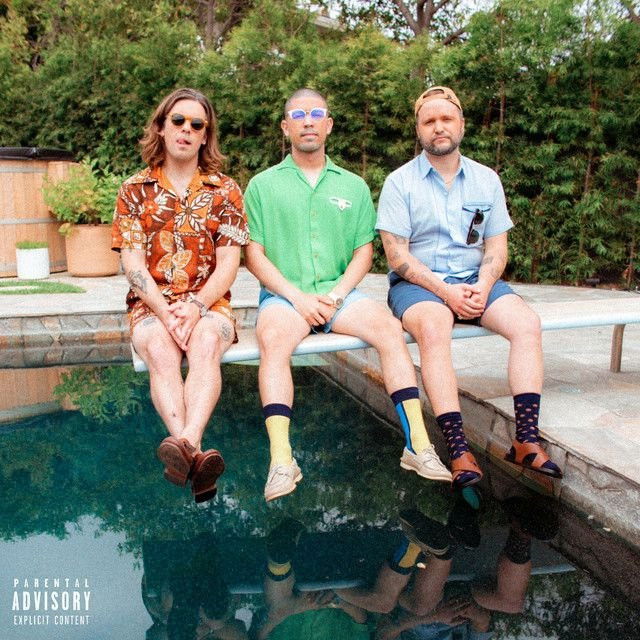
The meaning of Daddy Tiny Meat Gang, Quinn XCII starts with a joke, but it is sharper than a throwaway meme track. Tiny Meat Gang build the song around a very specific comic character: a suburban father who talks like a rap superstar. Instead of clubs, chains, and late nights, his world is golf, home improvement, Target parking, and family routines.
"Daddy" - Tiny Meat Gang ft. Quinn XCII
I changed my bio
It says "Father," don't say "Daddy"
Loading lyrics...
Unable to load lyrics
We're unable to display the lyrics at this time. Please try again later.
That contrast is the whole engine of the song. It makes normal adult life sound absurdly glamorous, while also poking fun at how internet culture turns the word “daddy” into a brand of confidence, sex appeal, and authority.
The Core Joke Hides the Real Point
At the center of the song is a playful identity battle. The speaker says his profile now reads Father, don't say Daddy
. On the surface, that sounds like a correction. But the rest of the song keeps leaning into the exact image he claims to reject.
That is why the hook works. They are not truly refusing the label. They are performing discomfort with it while enjoying the status that comes with it. Interpretation: the song is about adulthood becoming its own kind of swagger, especially online, where even responsible family life can be turned into a persona.
Tiny Meat Gang are known for comedy rap and exaggerated characters, and this song fits that lane. Quinn XCII, credited as a featured artist on the 2021 track, is a natural fit because his catalog often blends pop melody with hip-hop energy, making him a smooth guest for a joke song that still needs a catchy polish.
Watch the official Daddy
music video
Suburban Life as Rap Bragging
The funniest part of “Daddy” is how carefully it swaps old rap symbols for suburban ones. The lyrics brag about caddies, eighteen holes, game night, and shopping trips. Even sitting down becomes a comic event, with the narrator claiming he always make noise
when he lowers himself into a chair.
That line matters because it captures the song’s real target: the clichés of middle-aged manhood. These are not random details. They are familiar signs of a certain American life stage—marriage, kids, house projects, comfort, and a little self-importance.
The references to Home Depot
, deck-building, kitchen renovation, and backing into parking spaces all turn practical adult habits into badges of power. Interpretation: the song suggests that for this character, domestic competence has replaced youthful cool. He is still chasing status, just with different props.
The Chorus Sells the Character
The chorus is simple, which is why it sticks. They keep returning to the same identity markers: fatherhood, golf, spending money, and home repair. That repetition makes the character feel less like one guy and more like a type.
It also gives the song a mock-anthem quality. Listeners are supposed to recognize the pattern right away: this is the dad who has fully merged family life with ego. In that sense, the hook is not emotional in a deep confessional way. It is emotional in a social way. It recognizes a modern archetype and makes it singable.
Where the Humor Gets Edgier
The song also uses crude jokes and sexual bragging to parody masculine overconfidence. Some of those lines are intentionally ridiculous, mixing family-man imagery with explicit boasting. That tension is important because it keeps the character from sounding wholesome.
Instead, he sounds like someone trying to preserve the language of youthful dominance inside a settled adult life. That is part of the satire. They are showing how masculinity can change costumes without really changing its need for attention.
A key late moment makes the joke even clearer when the narrator admits, they call me Daddy
on the internet. That line connects the suburban fantasy to online culture, where “daddy” can mean respected, attractive, rich, controlling, or simply meme-worthy. The song pulls all those meanings together and laughs at them.
How Quinn XCII Changes the Feel
Quinn XCII’s presence matters because he softens the track without weakening the joke. According to his career history, he is an American singer-songwriter from Michigan known for blending pop, hip-hop, reggae, rock, and electronic sounds, and he is officially listed as a featured artist on “Daddy” in 2021. That genre flexibility helps the song feel more musical than a sketch.
His style has long mixed rapping and melodic singing, which makes him useful on a track that needs both punchlines and replay value. Interpretation: his feature helps “Daddy” land as a real song first and a parody second, which is a big reason the joke lasts past one listen.
The Production Matches the Satire
The beat, tagged in the intro with Diamond Pistols, gives the song a glossy, hard-hitting rap frame. That matters because the production treats the dad persona like a genuine flex record. If the beat were too goofy, the joke would collapse.
Instead, the instrumental gives weight to ridiculous details. A line about parking at Target or checking the stock market lands harder when it is delivered over confident, polished production. The music says “serious banger,” while the lyrics say “suburban errand run.” That mismatch is the point.
A Satire With a Little Affection
Even though “Daddy” is clearly mocking a type, it is not purely cruel. There is some affection in how specific the details are. Golf, little league, Applebee’s, and house work are not just random suburban props; they are signs of ordinary adult routine.
So the meaning of Daddy Tiny Meat Gang, Quinn XCII is twofold. On one level, it is a parody of internet “daddy” culture and overconfident masculinity. On another, it is a funny acknowledgment that getting older does not end the need to feel cool—it just changes what cool looks like.
Final takeaway
“Daddy” works because it turns maturity into performance. Tiny Meat Gang and Quinn XCII present fatherhood, home ownership, and suburban habits as if they were luxury rap trophies. The joke is obvious, but the song’s smart twist is that many listeners recognize at least a little truth in it.
Disclaimer: This interpretation is based on the lyrics, performance style, and publicly available artist context. Comedy songs often invite multiple readings, and not every line should be treated as a literal statement of belief or biography.








