
Dizzy by Title Fight
The meaning of Dizzy Title Fight comes through less like a tidy story and more like a panic flash. The song piles up scattered images of cars, trunks, backyards, and fading recall until the listener feels the same disorientation named in the hook. Rather than explain every detail, Title Fight turn confusion into the point.
"Dizzy" - Title Fight
when it happened
Swear to god we're cursed
Loading lyrics...
Unable to load lyrics
We're unable to display the lyrics at this time. Please try again later.
That approach fits the band’s wider style. Title Fight, the Kingston, Pennsylvania group, built a reputation by moving from pop-punk roots toward emo, post-hardcore, and soft-grunge textures over time, with Shed arriving in 2011 and Floral Green in 2012, their second album and a key turning point in their sound (Title Fight, Floral Green). In “Dizzy,” they use that shift well: the music feels urgent, but the words feel half-remembered.
The Blur Is the Message
At its core, the song sounds like someone stuck inside a traumatic or emotionally loaded memory. The clearest line is the repeated idea of being dizzy in the thought
and falling into memory loss
. Before and after those phrases, the verses suggest that the speaker is trying to reconstruct what happened, but only fragments surface.
Interpretation: “Dizzy” is likely about the mental aftermath of an event that cannot be processed in a straight line. The song does not confirm exactly what happened. Instead, it shows the body and mind reacting to it.
That is why the opening image matters. A plain fact like a shirt left in a car feels strangely specific, the kind of object-memory people cling to after shock. Then the song jumps to a curse of sadness, making private grief feel larger and inescapable.
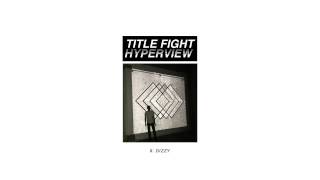
Watch the official Dizzy
music video
Small Scenes, Heavy Damage
The verses read like snapshots instead of a full narrative. A road, a backyard, a trunk, and static all appear in quick succession. Those details suggest motion, danger, and broken communication.
Here is one short section that shows how the song works:
Fumble on a road
Blackened backyard
Weapon from a trunk
Static Recall
Even here, the band do not explain cause and effect. They present details the way a distressed mind might retrieve them: out of order, vivid, and incomplete. The phrase static recall
is especially revealing because it compares memory to radio interference. The speaker remembers something, but the signal is damaged.
What the images may suggest
- A car and trunk hint at travel, escape, or confrontation.
- A blackened yard suggests ruin after an event.
- A weapon raises the stakes without naming the outcome.
- Static implies mental noise and emotional blockage.
Interpretation: The song may be about violence, or it may use violent imagery to describe emotional collapse. Both readings fit the words.
Why the Chorus Feels So Unsettling
The repeated cluster of phrases in the middle of the song deepens its mood rather than clarifying it. Terms like nighttime wanderer
and king of somber
sound like labels for a person trapped in gloom. They are stylized, almost dreamlike, but they still point back to depression, alienation, and numb drifting.
Another striking word is chrysalis
. A chrysalis usually suggests transformation, growth, or waiting to become something new. In this song, that image is darkened. Change does not feel hopeful. It feels sealed off, lonely, and tense.
That tension matters to the meaning of Dizzy Title Fight. The song keeps offering symbols of transition, but none of them resolve. The speaker is still wandering. They are still dizzy. They are still unable to turn memory into a clean story.
Sound and Meaning Move Together
Title Fight were already expanding their sound around the Floral Green era, blending hardcore energy with fuzzier alternative rock influences. Critics and band histories often place that album in the group’s move toward softer grunge tones while keeping their emotional intensity. That matters because “Dizzy” depends on contrast.
The guitars hit with force, but they also smear at the edges. The drums push forward, yet the vocals feel buried just enough to sound internal, as if the singer is fighting through fog rather than delivering a speech. The result is a song that feels both physical and distant.
Interpretation: The production mirrors a mind under stress. Sharp instruments create impact, while the blurred vocal presence suggests thoughts that cannot settle.
This is one reason the song stays memorable. Many bands write about sadness directly. Title Fight make sadness feel unstable, noisy, and hard to hold.
More Than One Way to Read It
There are at least two strong readings of “Dizzy.”
A trauma-memory reading
The most direct interpretation is that the speaker is replaying a disturbing event in pieces. The mention of a trunk and weapon supports that possibility, while the refrain about dizziness and memory loss suggests shock.
A depression reading
The song can also be heard as an inward portrait of depression. In that reading, the violent and broken images are symbolic. The world looks ruined, movement feels clumsy, and identity turns into labels like venom drip
or king of somber
.
These readings do not cancel each other out. In fact, the power of the song comes from how easily trauma and depression overlap in its language.
Why “Dizzy” Still Connects
“Dizzy” captures something many listeners know but struggle to describe: the way grief, fear, or depression can scramble memory and make ordinary details feel haunted. The song is short, but it leaves a long echo because it trusts fragments more than explanation.
For listeners searching for the meaning of Dizzy Title Fight, the best answer is that the song turns confusion into its own emotional truth. It is about sadness that sticks to objects, scenes, and half-formed thoughts. It is about the feeling of replaying something without ever fully getting it back.
That ambiguity is part of the design, not a flaw. Title Fight let the listener sit inside the blur.
Disclaimer: This interpretation is based on the released lyrics, the song’s sound, and verified band context. Like many Title Fight songs, “Dizzy” remains open to more than one reading.








