Why TLC Asked the Hardest Friendship Question
The meaning of What About Your Friends TLC starts with a simple test: who stays loyal when life changes? TLC turn that question into a catchy but serious warning about trust, envy, and disappointment.
"What About Your Friends" - TLC
What about your friends?
What about?
Loading lyrics...
Unable to load lyrics
We're unable to display the lyrics at this time. Please try again later.
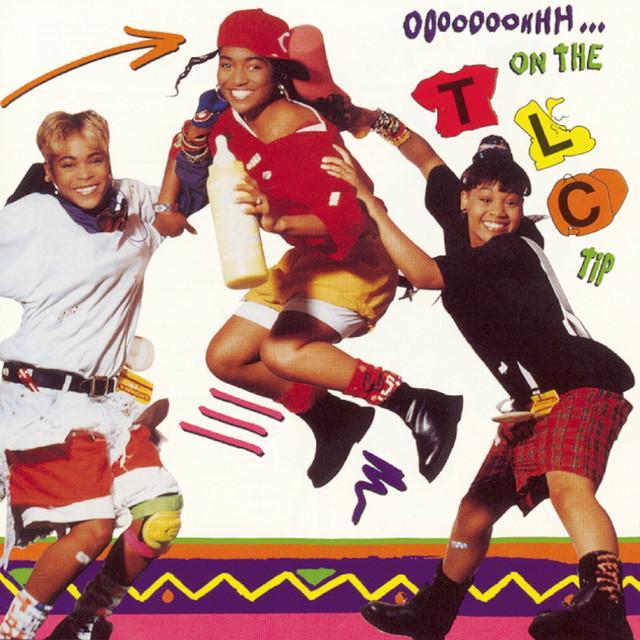
Released as the third single from Ooooooohhh... On the TLC Tip in 1992, the song became TLC’s third straight top-10 hit, reaching No. 7 on the Billboard Hot 100 and No. 2 on the Hot R&B/Hip-Hop chart. It was written by Dallas Austin and Lisa “Left Eye” Lopes, and produced by Austin. Those facts help explain why the track feels both polished and personal: it has mainstream pop-R&B appeal, but its message is direct and street-level.
At the Center, It Is About Loyalty Under Pressure
At its core, the song asks whether friends are real when success, stress, or jealousy enter the picture. The chorus keeps pressing the same challenge with phrases like stand their ground
and turn their backs
. TLC are not just asking a casual question. They are measuring friendship by actions, not talk.
That matters because the verses describe confusion and hurt. The speaker admits trust does not always come easily. They feel judged, misunderstood, and, at times, used. When the song mentions that people think success changed them, the deeper point is that fame and money often expose weak relationships rather than create them.
Interpretation: the song is less about one broken friendship and more about a pattern. TLC present betrayal as something that can come from an inner circle, which makes it sting more.

Watch the official What About Your Friends
music video
The Verses Show Why the Question Feels So Urgent
One of the smartest parts of the writing is how the song builds emotional evidence before returning to the hook. Early on, the narrator says their view gets unclear and they cannot always tell whom to trust. That idea makes the chorus feel earned. The question is not dramatic for effect; it comes from lived doubt.
Later, the lyrics suggest that some people stay close out of envy, not love. Left Eye’s rap is especially sharp here. When she says others choose to envy
, she frames fake friendship as a selfish response to talent and visibility. In other words, some people gather near success while quietly resenting it.
If your friend is true
they'll be there with you
That brief moment gives the song its clearest standard. Real friends do not disappear when things get hard. They remain present through setbacks, not only during good times.
TLC’s Early Persona Makes the Message Stronger
This song landed during TLC’s debut era, when the group mixed style, confidence, humor, and social honesty. Even in upbeat singles, they often sounded like they were speaking to real life, not fantasy. That context is important.
In 1992, “What About Your Friends” fit naturally beside TLC’s image as bold truth-tellers. According to chart histories and release records, it was issued on August 21, 1992, as part of the group’s breakout run. Its commercial success suggests the theme connected widely, because almost everyone has had to rethink who their real friends are.
A later critical note from Albumism described the song as one that makes listeners evaluate the character of their inner circle. That is a fair summary because the hook invites self-reflection as much as sing-along energy.
The Production Turns Doubt Into Momentum
Musically, the song carries the bounce of early-1990s R&B and new jack swing. Dallas Austin gives it a brisk, punchy rhythm that keeps the record moving even as the lyrics deal with disappointment. That contrast matters.
Instead of sounding sad or defeated, TLC sound alert. The beat creates motion, while the vocal blend adds warmth and urgency. T-Boz and Chilli deliver the hook with enough smoothness to make it catchy, but there is still tension underneath. The song also uses a sample of James Brown’s Blues & Pants
, which adds groove and grit to the arrangement.
Interpretation: the upbeat production may reflect emotional survival. The group are not collapsing under betrayal. They are learning, watching, and setting standards.
Why the Chorus Still Lands So Hard
The chorus is memorable because it asks plain questions with high emotional stakes. There is no abstract poetry to hide behind. What about your friends?
works because almost anyone can answer it from experience.
The repetition also mirrors anxiety. When people have been let down before, they often replay the same doubt in their heads: Will this person show up? Will they switch sides? Will they vanish when things get messy? The hook captures that cycle in a form that is easy to sing and hard to forget.
A Second Reading: Fame Is Part of the Story Too
There is also a strong reading of the song as a response to early success. The verse about people saying the speaker changed after getting money points to a common celebrity problem. Once status rises, old relationships can become strained by suspicion, access, and jealousy.
Still, the song stays broader than an industry complaint. That is why it lasts. Listeners do not need fame to understand the pain of being misread or deceived by someone close.
Why “What About Your Friends” Endures
The meaning of What About Your Friends TLC lasts because it never overcomplicates its point. TLC ask whether friendship can survive pressure, envy, and personal growth. Their answer is cautious but not hopeless: true friends prove themselves over time.
That message, paired with a bright groove and confident vocals, helped make the song one of TLC’s defining early statements. It is danceable, but it is also protective. It teaches listeners to look past promises and watch what people do.
Interpretation disclaimer: Song meanings can vary by listener. This article offers a text-based reading informed by the lyrics, credits, and release context.








