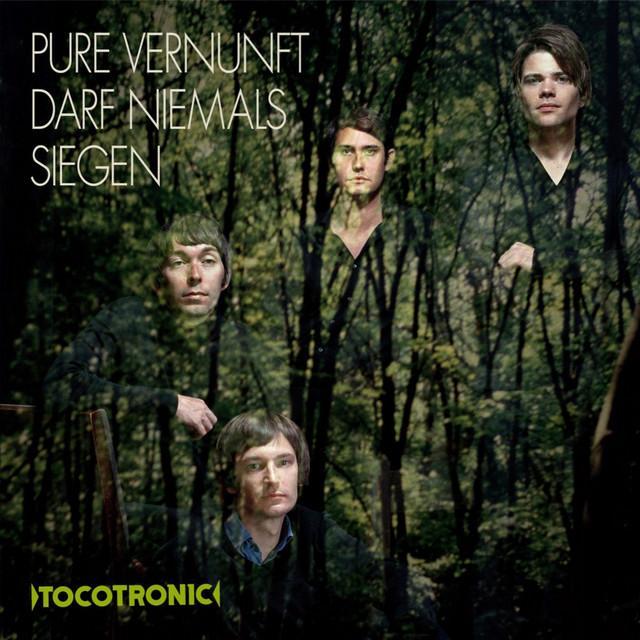
Why Tocotronic Distrusts Pure Reason
The meaning of Pure Vernunft Darf Niemals Siegen Tocotronic starts with a contradiction. The title says Pure Vernunft darf niemals siegen
—literally, pure reason must never win—yet the song does not sound like a simple attack on intelligence. Instead, it sounds like a warning about what happens when logic tries to rule areas of life that also depend on desire, illusion, art, and feeling.
"Pure Vernunft Darf Niemals Siegen" - Tocotronic
Wir brauchen dringend neue Lügen
Die uns durchs Universum leiten
Loading lyrics...
Unable to load lyrics
We're unable to display the lyrics at this time. Please try again later.
Tocotronic, a major German rock band formed in Hamburg in the 1990s, have long mixed indie rock with philosophical and political language, a reputation noted in overviews of the band’s career and the wider “Hamburger Schule” scene on Encyclopaedia Britannica and AllMusic. That background matters here. This song is not random provocation. It fits a band known for turning abstract ideas into sharp, memorable hooks.
The Big Idea Behind the Chorus
At the center of the song is a repeated claim: people need more than facts. The lyrics immediately pair the anti-rational slogan with neue Lügen
, or “new lies.” Paraphrased, the speaker says people urgently need fresh illusions to guide them, comfort them, and give the world a sense of celebration.
Interpretation: The song suggests that modern life can feel emotionally empty when stripped down to mere truth, utility, or realism. In that reading, “lies” are not just false statements. They are myths, fantasies, dreams, slogans, and cultural stories that make life bearable.
But the song is not naive about this. Those same illusions can seduce, flatter, and deceive. That double meaning gives the chorus its force.

Watch the official Pure Vernunft Darf Niemals Siegen
music video
Seduction, Comfort, and Control
Each verse builds a list of what these “lies” do. They soothe people, carry them along, and promise wonder. The imagery is often tender at first, like being rocked in a cradle or sung to sleep. Then it turns darker. The same comforting force can also split the self, distort perception, and attack those who try to help.
That shift is the key to the meaning of Pure Vernunft Darf Niemals Siegen Tocotronic. The song does not say illusion is simply good. It says illusion is powerful, necessary, and dangerous.
One brief phrase, Schatz des Wahnsinns
—“treasure of madness”—captures that tension. Madness is treated like something valuable, almost hidden treasure. Yet treasure hunts usually come with risk. Another phrase, heimlich zu verhöhnen
, points to humiliation hiding behind praise. In plain English, the song argues that the same forces that crown people can also mock them.
A Collective Voice, Not a Private Diary
The lyrics mostly speak as wir
—“we.” That matters. This is not framed as one person’s heartbreak or confession. It sounds social and collective, almost like a diagnosis of an entire culture.
Interpretation: By using “we,” Tocotronic widen the song from psychology to society. They make the listener part of the problem. The song implies that everyone participates in shared fictions: political myths, media narratives, beauty ideals, national stories, and personal self-images.
That communal voice also sharpens the irony. The singer is not standing outside the system. They are inside it, admitting that “we” want illusion even when we know it can hurt us.
What the Sound Adds to the Message
Musically, the song belongs to rock, but its power comes from repetition and contrast. The hook is blunt and chant-like, which makes the title feel less like a careful thesis and more like a slogan people could shout together. That is important because the song is partly about the seductive force of slogans.
The repeated lalalalala
sections matter too. They seem playful on the surface, but they also drain language of clear meaning. In effect, the song moves from argument into pure sound, as if reason gives way to rhythm and trance.
Interpretation: This is one of the smartest things about the track. The music enacts what the lyrics describe. It pulls the listener toward repetition, mood, and collective feeling rather than neat rational explanation.
Beauty, Fragmentation, and the Modern Self
The third verse pushes the song inward. It says these “lies” preserve beauty while breaking the self apart. That is a striking image for modern identity. Public images can keep people looking whole while they feel divided underneath.
This can be heard as a critique of consumer culture, image culture, or even politics. Systems that promise belonging and coherence may actually produce fragmentation. The song’s language of being bent, touched, and led into darkness suggests manipulation that feels almost gentle.
That gentleness is what makes the song unsettling. It is not about open tyranny. It is about soft control.
The Ending Lifts Off—But Not Cleanly
The final repeated line, Wir sind so leicht, dass wir fliegen
, sounds freeing at first. They are so light that they fly. It is the song’s most openly transcendent image.
Still, even here there is ambiguity. Lightness can mean liberation, but it can also mean emptiness, instability, or being detached from reality. After a song full of seductive illusion, flight may be a dream—or a loss of grounding.
That uncertainty is why the ending lingers. The song refuses to settle the argument between reason and fantasy. It shows that people may need both, but it also shows how easily the second can overpower the first.
Why the Song Still Feels Sharp
What keeps this track alive is its honesty about a basic human tension. People say they want truth, but they also want stories that make life feel larger, kinder, or more meaningful. Tocotronic turn that tension into an anthem and then quietly expose the cost.
For listeners asking about the meaning of Pure Vernunft Darf Niemals Siegen Tocotronic, the simplest answer is this: the song explores why people cling to illusions, how those illusions sustain them, and how they can also deceive and divide them. It is both a defense of imagination and a critique of the myths people live by.
Disclaimer: This interpretation is based on the lyrics, musical presentation, and established context around Tocotronic. As with any poetic song, other readings are possible.








