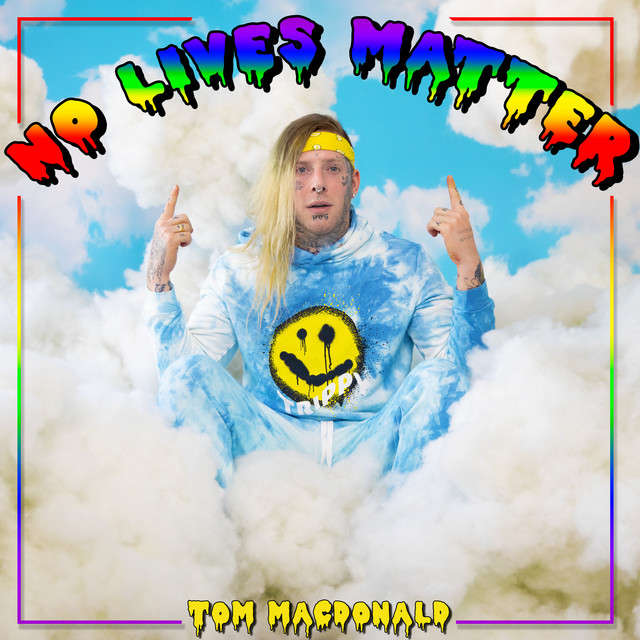
No Lives Matter by Tom MacDonald
A protest song aimed at division
The meaning of No Lives Matter Tom MacDonald centers on a blunt claim: powerful systems keep ordinary people fighting each other, and that conflict makes everyone lose. The title sounds shocking on purpose, but the song’s core idea is not that human life has no value. It argues that life is treated as disposable when people are pushed into culture-war battles.
"No Lives Matter" - Tom MacDonald
Media dividing us by colors, white or black (facts)
If you believe in Jesus, these days Christians get attacked (facts)
Loading lyrics...
Unable to load lyrics
We're unable to display the lyrics at this time. Please try again later.
Tom MacDonald presents the track as a warning. In their view, the media, politics, and parts of pop culture turn race, religion, and party identity into weapons. The hook sums that up with the phrase no lives matter
, which reframes public slogans into a darker point: if division becomes the main social habit, nobody is protected.
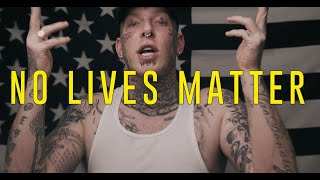
Watch the official No Lives Matter
music video
How the verses build the argument
The song opens by attacking modern hip-hop, cable news, and online outrage at the same time. MacDonald links these topics together as parts of one machine. They argue that news outlets sort people into teams, while popular music sells fantasy, excess, and numbness.
That is why the verses jump from race to religion to class so quickly. The song is less interested in one event than in a pattern. It claims people are trained to see enemies everywhere, whether that enemy is based on skin color, politics, or belief.
One recurring phrase, facts
, works like a stamp of certainty. It tells listeners the speaker sees these points as obvious truths, not open questions. Interpretation: that repeated certainty is part of the song’s appeal to fans and part of what critics reject, because it leaves little room for nuance.
The title’s biggest twist
The most important line is the chorus, where MacDonald says people have been turned us on each other
. That idea matters more than the title alone. The song argues that slogans and outrage cycles become useful to institutions when they keep citizens distracted from shared economic and social problems.
In that reading, the title is a pessimistic summary of a broken public square. The song does not literally deny the value of life. It says society behaves as if life matters less once fear and tribal loyalty take over.
Screaming from the rooftops
beatdown, battered
turned us on each other
now no lives matter
This short passage shows the emotional logic of the track. First comes public panic, then exhaustion, then social conflict, then the final conclusion. The chorus is not subtle, but it is structurally clear.
Black Lives Matter, All Lives Matter, and the song’s risk
One reason the track remains controversial is its direct use of phrases tied to real activism. MacDonald says Black Lives Matter is valuable, yet also argues that other slogans are unfairly dismissed. That move is meant to sound balanced, but it also simplifies a debate with deep history and real harm behind it.
For some listeners, the song sounds like a plea for unity. For others, it sounds like it flattens racial injustice into a generic complaint about everybody being manipulated. Both reactions make sense based on the lyrics.
Interpretation: this tension is central to the meaning of No Lives Matter Tom MacDonald. The song wants to criticize division while using highly divisive framing. That contradiction may be intentional, since MacDonald has built much of their public image around provocation.
Sound, beat, and delivery
Musically, the track uses a hard, tense rap production style: heavy drums, dark bass, and an urgent, chant-like chorus. The beat is built to feel pressurized rather than reflective. That matters because the instrumental turns the message into confrontation.
MacDonald often performs political rap independently, and later work like Facts was also written and produced by them, showing how tightly they control message and presentation. In “No Lives Matter,” that control shows in the song’s directness. There is little ambiguity in the flow, the hook, or the beat drops.
The delivery also mirrors talk-radio certainty. Lines land in short bursts, almost like debate points. That style helps the song feel forceful, but it can also make the writing feel more like argument than storytelling.
Tom MacDonald’s wider context
MacDonald first gained major attention with independent releases such as Dear Rappers, and their career has often mixed rap performance with anti-establishment commentary. They are known for songs that address censorship, media bias, patriotism, and identity politics.
That context shapes how “No Lives Matter” is heard. Fans often view the song as truth-telling against mainstream narratives. Critics often hear it as culture-war messaging packaged as rebellion. Those opposing readings are part of the song’s public life, not separate from it.
Reception to MacDonald’s political music has often been polarized. The audience response tends to reward directness and controversy, while many reviewers object to the songs’ framing and simplification. “No Lives Matter” fits that pattern closely.
The clearest takeaway
At its core, “No Lives Matter” is about social fragmentation. MacDonald argues that citizens are pushed into race, party, and media battles so they never unite around common interests. The title is meant as an alarm bell, not a literal philosophy.
Whether listeners find the song persuasive depends on how they hear its central tradeoff. It calls for unity, yet it does so through confrontation. It condemns manipulation, yet it uses a slogan designed to shock. That tension is exactly why the song connected with some people and angered others.
In the end, the meaning of No Lives Matter Tom MacDonald is less about hopelessness than about warning. The song says a divided public becomes easy to control, and once that happens, every side pays the price.
Disclaimer: This article offers interpretation based on the lyrics, artist context, and public reception. Song meaning can vary from listener to listener.








