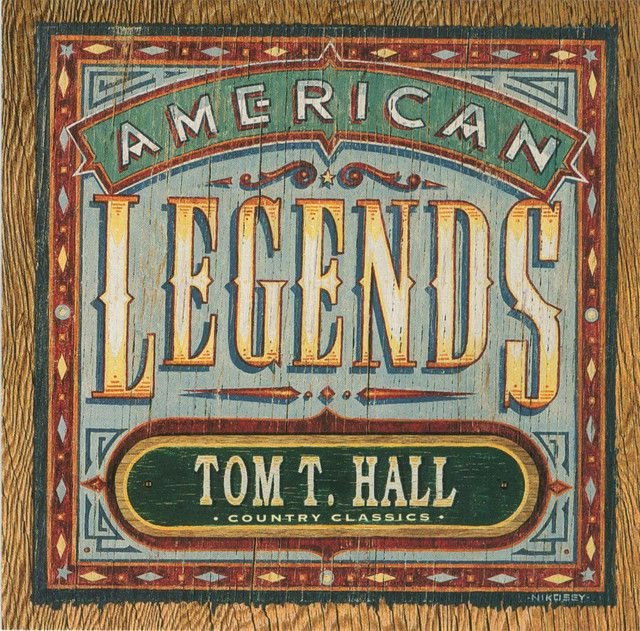
Why Tom T. Hall’s Classic Still Hits Home
If someone wants the meaning of Old Dogs, Children And Watermelon Wine Tom T. Hall, the short answer is this: it is a story about how age can strip life down to a few honest truths. Tom T. Hall turns a casual conversation into a quiet lesson about innocence, loyalty, memory, and disappointment.
"Old Dogs, Children And Watermelon Wine" - Tom T. Hall
I said, well, I didn't know.
He said, "I turned 65 about 11 months ago."
Loading lyrics...
Unable to load lyrics
We're unable to display the lyrics at this time. Please try again later.
A Small Scene With a Big Heart
The song begins in an ordinary place: a hotel lounge, late at night, with a narrator and an older man talking. That plain setup matters. Hall was famous for writing songs that felt overheard rather than staged, and this one came from a real experience in Miami Beach during the 1972 Democratic National Convention, according to reference accounts and later coverage. It was released on November 13, 1972, from The Storyteller, written by Hall and produced by Jerry Kennedy.
Rather than build drama, Hall lets the older man do the work. He opens with a simple fact about his age, then starts sharing what life has taught him. The power of the song comes from that contrast: a plain conversation opens into a personal philosophy.
Watch the official Old Dogs, Children And Watermelon Wine
music video
What the Song Is Really Saying
At its core, the song argues that many adult pursuits do not hold up very well over time. Status, romance, and social loyalty can disappoint. What remains valuable are simple things that offer trust, warmth, and peace.
The older man’s list sounds quirky at first, but it is deeply deliberate. old dogs
represent faithful love. children
represent innocence before the world hardens people. watermelon wine
points to comfort, memory, and a homemade sweetness that feels rooted in place and time.
Interpretation: the song is not just praising rural pleasures. It is saying that after a long life, the speaker trusts what is uncomplicated and emotionally true.
The Older Man’s Worldview, Line by Line
One reason the song lasts is that each section adds a new layer to the same idea. Early on, the older man is not trying to impress anyone. He simply opened up his mind
. That phrase frames the song as confession, not performance.
He then contrasts his values with adult behavior. He suggests that romance can be self-centered and that friendship can vanish in hard times. Hall does not present those lines as universal facts. He presents them as one man’s weathered outlook.
That distinction matters. Tom T. Hall often said he tried to report what happened rather than preach. In interviews, he described his process as writing what he knew and resisting heavy judgment. This song fits that method perfectly: Hall lets the old man speak, and the listener decides how much to agree.
Why the Chorus Feels So Strong
The title phrase sounds almost humorous the first time it arrives. But repetition changes it. Every return to the phrase makes it feel less odd and more wise.
The key emotional turn comes when the older man explains why he values certain beings over most adults. He says love from animals and goodness in children feel more dependable than grown-up promises. The song’s most famous moral idea appears in a brief, unforgettable passage:
God bless little children
while they’re still too young to hate.
That moment widens the song beyond one old man in one bar. Suddenly, it becomes about human nature itself. Innocence is precious because it does not last.
Sound and Story Work Together
The production helps the meaning land. Jerry Kennedy keeps the arrangement understated, which was a smart choice for a Tom T. Hall story song. The tempo is easy, the instrumentation stays grounded in country tradition, and nothing distracts from the narrative voice.
Hall’s vocal style matters too. He does not oversing. They deliver the lines with a conversational calm that makes the encounter feel real. That relaxed tone lets the emotional details sneak up on the listener.
Interpretation: because the music stays so modest, the song feels like memory instead of spectacle. That is why the ending dream of shady summertime
lands so softly and so deeply.
Tom T. Hall’s Craft and the Song’s Legacy
This song is a perfect example of why Hall was called “The Storyteller.” He wrote and recorded it himself, and it became his third No. 1 on the U.S. country chart. It also earned a Grammy nomination for Best Country Song and was later recognized by Rolling Stone on a greatest-country-songs list.
Its staying power comes from Hall’s gift for small details: the TV in the bar, the age of the stranger, the unnoticed loneliness in the room. Those details make the song believable. They also keep it from turning into a sermon.
Some critics have noted that the song has a cynical edge beneath its warmth. That reading makes sense. The older man is not just celebrating simple joys; he is doing so after losing faith in many other things. The sweetness of the title therefore carries a faint bitterness underneath.
The Lasting Meaning of Old Dogs, Children And Watermelon Wine Tom T. Hall
So what is the meaning of Old Dogs, Children And Watermelon Wine Tom T. Hall? It is a gentle but unsparing song about what survives disappointment. Hall suggests that age does not always bring grand wisdom. Sometimes it brings a shorter, humbler list of what can still be trusted.
That is why the song still connects. It honors tenderness without pretending life is easy.
Disclaimer: This interpretation mixes documented background with critical reading. As with any great song, listeners may hear different meanings in the same lines.








