Why 'If You Could Only See' Still Hurts
The meaning of If You Could Only See Tonic starts with a simple but painful idea: they are trying to make someone else understand a love that has already been judged. Tonic's biggest hit sounds like a love song on the surface, but underneath it is also a defense, a protest, and a plea.
"If You Could Only See" - Tonic
Then maybe you would understand
Why I feel this way about our love
Loading lyrics...
Unable to load lyrics
We're unable to display the lyrics at this time. Please try again later.
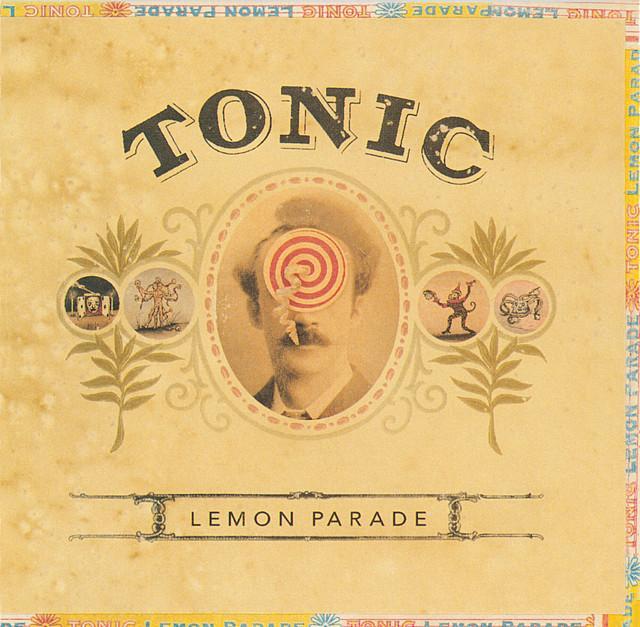
Written by Emerson Hart for Tonic's 1996 album Lemon Parade, the song became a major rock-radio hit in 1997. It reached No. 1 on Billboard's Mainstream Rock chart and stayed on the Hot 100 Airplay chart for 63 weeks, a sign that its emotional conflict connected far beyond one private story. Research sources identify Hart as the sole writer and Jack Joseph Puig as producer.
A Love Song Aimed at a Critic
At its core, the song is not really addressed to the lover. It is aimed at the person standing outside the relationship, judging it. The key refrain, if you could only see
, is less romantic than it first appears. They are not just praising a partner; they are asking for empathy.
That matters because Hart later explained the song came from family conflict. According to reported accounts in research sources, he wrote it after a phone call with his mother, who disapproved of his relationship with an older woman. In that context, the song becomes a direct emotional argument: if the critic could witness the care, tenderness, and loyalty inside the relationship, they might stop attacking it.

Watch the official If You Could Only See
music video
The Narrator's Position in the Fight
The verses sharpen that tension. When the song mentions reasons
, lies
, and manipulations
, it shows that the narrator feels belittled and pressured rather than heard. They believe another person is using guilt and control to shrink their choices.
This is why the song feels more intense than a standard post-grunge ballad. It is not only about love; it is about defending adult independence. The narrator is saying, in effect, that outside judgment has become a wound.
What the Chorus Changes
Then the chorus opens up. Instead of more accusations, the song turns toward what this relationship gives them. Short phrases like the way she loves me
and maybe you would understand
soften the tone.
That contrast is crucial. The verses push back. The chorus explains. Together, they create a believable emotional pattern: anger first, then vulnerability.
A Story of Loyalty Under Pressure
One strong reading is that the song follows three emotional steps:
- They feel attacked by someone close to them.
- They answer by describing the love they receive.
- They choose that love even if it costs family approval.
The line about what I must do
is especially important. It suggests a painful decision, not a casual romance. The narrator seems to know that staying with this person may bring conflict, but they see the choice as necessary.
Interpretation: This is what gives the song its staying power. Many listeners hear their own version of the story in it, whether the conflict involves family, class, age, religion, or simply a relationship others never respected.
Images That Carry the Meaning
The lyrics do not use heavy symbolism, but the small images are effective. The mention of blue eyes gives the song a specific human focus. Instead of speaking about love in abstract terms, they point to a visible detail, as if trying to prove that the feeling is real and witnessed.
Another key image is the road less traveled
. In plain language, that phrase frames love as a harder path, one that brings trouble along with joy. The next idea, about taking some dirt to keep what one loves, suggests that lasting commitment may require embarrassment, conflict, or sacrifice.
Interpretation: The song does not glamorize suffering. It argues that some relationships are worth enduring hardship for.
How the Sound Deepens the Message
The production helps sell that emotional push and pull. Tonic came out of the 1990s rock landscape, and this track balances post-grunge muscle with a more melodic, radio-friendly shine. Research notes that critics praised its texture and slide guitar touches, which help the song feel warm rather than bleak.
That matters for meaning. If the arrangement were much heavier, the song might feel only bitter. Instead, the guitars and vocal phrasing leave room for longing. Hart sings with strain, but not with total rage. They sound wounded, insistent, and hopeful at the same time.
Producer Jack Joseph Puig's polished approach also keeps the chorus expansive. The band pushes forward in the verses, then lets the hook bloom, which mirrors the lyric structure: pressure first, explanation second.
Why So Many People Connected With It
Commercially, the song was enormous for Tonic. Research data shows it was rock radio's most played song of 1997 and helped Lemon Parade become a million-selling album. That success makes sense because the song speaks to a common experience: wanting love to be seen clearly by people who refuse to see it.
It also avoids easy sentimentality. The narrator is not claiming love solves everything. They admit conflict, resentment, and pain. That makes the plea feel earned.
The Lasting Meaning of the Song
So what is the meaning of If You Could Only See Tonic? It is a song about asking for understanding when love is under attack. It turns a personal family dispute into something wider: the struggle to hold onto a relationship that others try to define from the outside.
Its emotional power comes from that split identity. It is both a love song and an argument. It praises devotion while confronting judgment. That is why it still lands decades later.
Disclaimer: This interpretation blends documented background with close reading of the lyrics and sound. Like all song analysis, some meanings remain open to listener interpretation.







