Why 'Little Walter' Feels Funny Until It Doesn't
The meaning of Little Walter Tony! Toni! Toné! comes down to a simple idea: flashy living and bad choices can hide real danger, but not forever. Tony! Toni! Toné! tell that message through a roommate story that starts with excuses about rent and ends in sudden violence.
"Little Walter" - Tony! Toni! Toné!
Hey little Walter
Walter listen
Loading lyrics...
Unable to load lyrics
We're unable to display the lyrics at this time. Please try again later.
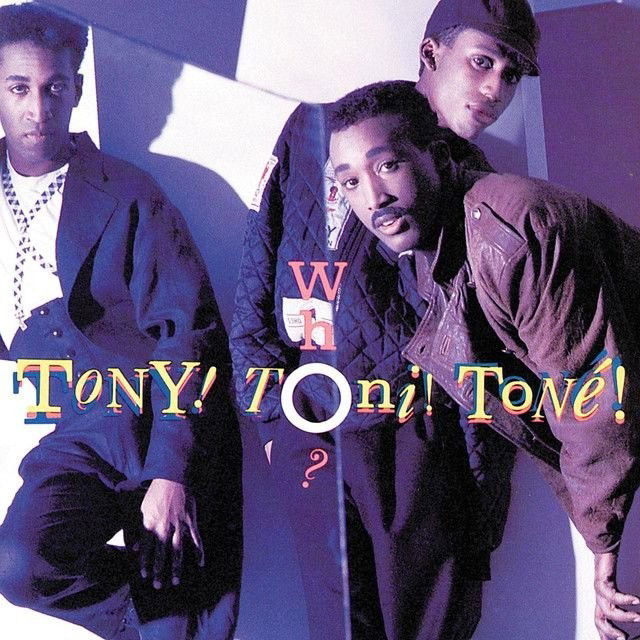
Released as the group’s debut single and the lead single from Who? in 1988, Little Walter
helped introduce their mix of R&B, soul, and new jack swing to a wide audience. According to the available release data, it reached No. 1 on the U.S. Hot Black Singles chart and also crossed onto the pop charts, which shows how strongly its groove and story connected with listeners.
The Real Story Behind Walter's Trouble
On the surface, the song is about a narrator dealing with a roommate who will not pay rent. But the song quickly makes clear that Walter’s problem is not poverty. He suddenly has expensive clothes, dates, and a new car, even while dodging basic responsibilities.
That contrast is the key to the song. Walter is not struggling; he is choosing image over honesty. When the narrator keeps pressing him, Walter answers with the kind of shrugging attitude summed up by I doubt it'll be today
and later Today? No way
. Those short replies make him sound charming at first, but also careless.
Interpretation: The song is less interested in rent itself than in what rent represents. Paying rent means living straight, staying accountable, and respecting the people around you. Walter rejects all of that for quick money and a showy lifestyle.

Watch the official Little Walter
music video
A Chorus That Sounds Like a Warning Bell
The repeated hook is where the song’s meaning becomes unmistakable. The group keeps calling, Walter listen
, and then warns that Something's gonna getcha
. That line is broad on purpose.
It could mean the landlord, the law, enemies, or the natural result of living recklessly. By not naming the threat, the song makes the danger feel larger. It is not just one person coming for Walter; it is consequence itself.
This is why the chorus works so well. It is catchy enough for radio, but it also acts like a moral alarm. Every time it returns, it reminds listeners that the verses are moving toward a bad ending.
How the Plot Builds From Comedy to Shock
One reason the song stays memorable is its pacing. The first verses almost play like a comic sketch. Walter has a strange side hustle, spends big, and keeps brushing off the narrator.
Then the details get sharper:
- He earns money from an unnamed source.
- He refuses to help with rent.
- He starts showing off wealth he should not have.
- The narrator finally confronts him.
- The story ends with a violent knock at the door.
That structure matters. The song invites the audience to laugh at Walter before forcing them to see the cost of his choices. The final moment lands hard because the song has spent so much time making him seem almost cartoonish.
Who's Speaking, and Why That Matters
The narrator speaks in first person, but the story feels observational rather than deeply confessional. They are not glamorizing Walter’s life. They are watching it, questioning it, and finally trying to stop it.
That perspective keeps the song grounded. Instead of sounding like a crime fantasy, it sounds like someone living next to a bad decision every day. The narrator sees the warning signs early, even if Walter does not.
Interpretation: The narrator may also stand in for the listener. They ask the commonsense question—how can someone spend so freely but still refuse to cover rent? That everyday logic makes Walter’s choices look even more foolish.
The Sound Makes the Message Go Down Easy
Musically, Little Walter
is built to move. It is commonly classified as new jack swing, a style that blended R&B melodies with harder drum-machine rhythms in the late 1980s. That production style gives the song bounce and punch, which helps explain why such a dark story could still become a hit.
The track’s bright energy creates tension with the lyrics. The beat feels playful, while the story keeps getting worse. That contrast is part of the song’s craft: listeners are pulled in by rhythm, then surprised by the ending.
Another interesting point from song history is that the melody draws from the spiritual tune Wade in the Water
. That connection gives the song a subtle layer of irony. A melody with deep roots in Black musical tradition gets reused in a tale about temptation, warning, and downfall. It links a modern street-level story to older musical forms of caution and survival.
Why the Song Worked So Well for Tony! Toni! Toné!
For a debut single, it was a smart statement. It showed that Tony! Toni! Toné! could do more than sing a smooth hook. They could build characters, write a plot, and mix humor with social realism.
The credited writers—Denzil Foster, Thomas McElroy, Raphael Saadiq, D'Wayne Wiggins, and Timothy Riley—created a song that feels compact but cinematic. In just a few scenes, listeners understand Walter, the narrator, and the danger hanging over the whole apartment.
That storytelling skill became part of the group’s identity. Even before their later classics, this single showed their ear for grooves and their ability to make everyday situations feel dramatic.
The Best Way to Read the Ending
The final image suggests that Walter’s lifestyle catches up with him in the harshest possible way. The song never fully explains who is at the door, and that ambiguity is powerful.
Interpretation: The ending works best as a moral payoff, not a mystery to solve literally. The important point is that Walter ignores every warning, and the threat finally becomes real.
In that sense, the meaning of Little Walter Tony! Toni! Toné! is about more than one reckless roommate. It is about how denial, vanity, and easy money can make someone feel untouchable right before everything falls apart.
Final takeaway
What makes Little Walter
so effective is its balance. It is danceable, funny, and sharply written, but it never loses sight of its warning. They turn a roommate dispute into a story about consequence.
Disclaimer: This article offers interpretation based on the song’s lyrics, credits, chart history, and recorded context. Meaning in music can remain open to listener perspective.








