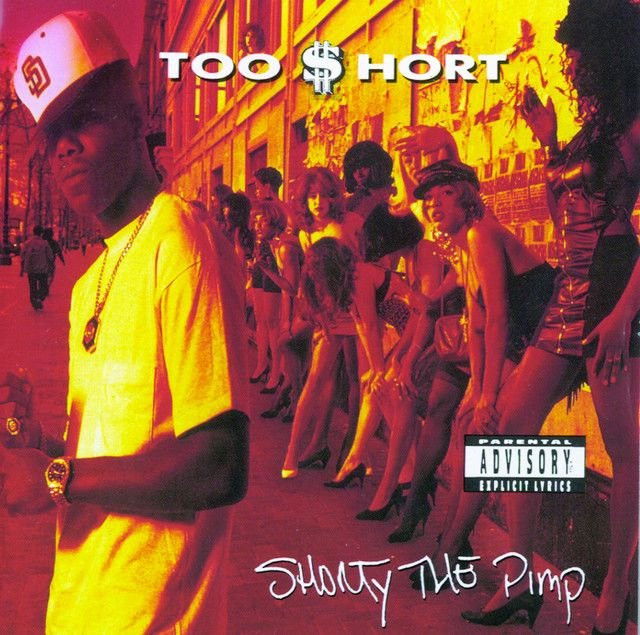
Why Too $hort's Gangster Story Is a Warning
The meaning of So You Want to Be a Gangster Too $hort is more cautionary than celebratory. On first listen, the song sounds blunt, hard, and street-level, which fits Too $hort's style. But underneath that tough voice, they deliver a message about how the gangster image destroys lives, friendships, and any sense of future.
"So You Want to Be a Gangster" - Too $hort
Smoke any motherfucker, don't even trip
You be hard as hell, take whatever you want
Loading lyrics...
Unable to load lyrics
We're unable to display the lyrics at this time. Please try again later.
Too $hort built their name in Oakland rap by using direct language and everyday street detail, becoming one of West Coast hip-hop's defining early voices, as major references on the artist note in career summaries and discographies. In this track, they use that authority to talk to younger listeners who think violence earns respect. The song does not present that dream as powerful for long. It presents it as a trap.
The Real Point Behind the Tough Talk
At its core, the song is about the false promise of gangster status. Too $hort starts by describing the fantasy: someone who thinks they can take what they want, scare people, and gain instant rank. Phrases like be a gangster
and hard as hell
sketch that fantasy in simple terms.
Then the song flips that image. Instead of freedom, the result is fear, death, and moral damage. The key turn comes when the character loses control and, in the song's moral language, begins to sell your soul
. That phrase is not literal. It suggests that chasing violence for status costs a person their conscience.
Interpretation: Too $hort are not just criticizing crime. They are criticizing the performance of crime—the idea that looking dangerous is the same thing as being respected.
Watch the official So You Want to Be a Gangster
music video
A Direct Address to Young Listeners
One striking feature is the song's point of view. Too $hort speak to an imagined young person, almost like an older neighborhood figure giving hard advice. They call out the listener's confusion and try to correct it. The line addressed to a youngster
makes the target clear: someone inexperienced, eager, and vulnerable to myth.
That choice matters. Rather than telling a distant story, the song creates a confrontation. They are not saying gang violence is bad in a vague public-service way. They are saying: you, the person chasing this image, have misunderstood what it leads to.
Gangsters don't live that longKilling don't make you a vet
Those short lines carry the center of the song. The first rejects the myth of long-term power. The second rejects the idea that violence brings wisdom or honor. In other words, survival and maturity are worth more than a reputation built on bloodshed.
How the Story Moves From Fantasy to Consequence
The song works almost like a lesson in three stages:
- The fantasy appears. A young person imagines strength, fearlessness, and fast respect.
- The violence escalates. Guns, retaliation, and killing become normal behavior.
- The cost arrives. Friends die, family gets hurt, and the so-called winner ends up isolated.
That final point is crucial. Too $hort say the gangster figure eventually stops caring even about their own people. By the end, the ambition to rise has backfired, and even a brother gets shot. The message is plain: the system of violence consumes everyone around it, not just enemies.
Why the Hook Sounds So Cold
The repeated hook uses phrases such as shoot em up
and that ain't cool
. It sounds chant-like, almost numb. That is part of the song's effect.
Instead of making violence sound exciting, the repetition makes it feel empty and routine. The hook mirrors how street killing can become background noise in a damaged environment. Each repetition strips away glamour and leaves behind a grim fact: people keep dying, and the cycle keeps going.
Interpretation: The chorus works like a sarcastic echo of gangster talk. It repeats the behavior while also judging it.
Sound, Sample, and Delivery
Musically, the track fits late-1980s and early-1990s West Coast rap's stripped-down style: heavy drum programming, a steady groove, and space for the voice to dominate. The writing credits include Grover Washington Jr. and Richard L. Serrill, signaling the song's connection to earlier soul-jazz composition through interpolation or sampling lineage. That borrowed musical smoothness creates a sharp contrast with the harsh subject matter.
That contrast matters to the meaning of So You Want to Be a Gangster Too $hort. The beat glides, but the message does not. Too $hort's calm, almost conversational delivery makes the warning stronger because they do not sound shocked by what they describe. They sound experienced. That lack of drama suggests they have seen this cycle too many times before.
Too $hort's Oakland Context Matters
Too $hort emerged from Oakland's independent rap scene and became known for realistic stories about street life, hustling, and survival. That background gives this song credibility. They are not speaking as an outsider condemning a world they do not know. They are speaking from inside a culture that often mixed humor, bravado, and hard truth.
That is why the song can confuse some listeners at first. Too $hort use the language of the street so naturally that the warning comes wrapped in the same texture as the lifestyle being criticized. But that tension is the point. They show how seductive the image is before showing its cost.
Final Take on the Message
The meaning of So You Want to Be a Gangster Too $hort is a rejection of the idea that violence creates real manhood, real power, or real status. The song argues that the gangster persona is not a path to control. It is a fast road to paranoia, grief, and early death.
For listeners, the song lasts because it refuses easy moralizing. It sounds like lived experience, not a lecture. And that makes its message harder to ignore.
Disclaimer: This interpretation is based on the lyrics, performance, and known context around Too $hort's career. Like all song analysis, some meanings remain open to listener interpretation.







