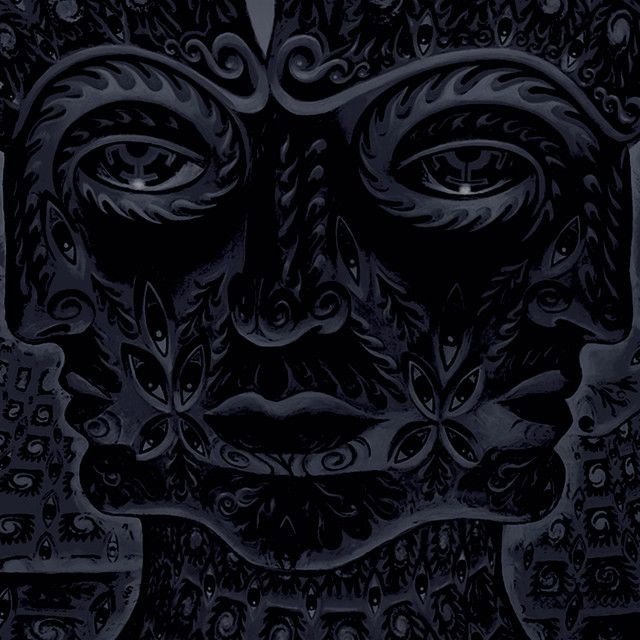
The Pot by TOOL
The song turns a simple insult about hypocrisy into a sharp attack on people and institutions that judge others while hiding their own guilt.
"The Pot" - TOOL
Provided by LyricFindWho are you to wave your finger?
You must have been out your head
Eye hole deep in muddy watersLoading...Loading lyrics...
Unable to load lyrics
We're unable to display the lyrics at this time. Please try again later.
Why This Song Still Bites
The meaning of The Pot TOOL starts with one core idea: hypocrisy. Released in 2006 on 10,000 Days, the song takes aim at a person—or possibly a whole system—that acts morally superior while doing the very things it condemns.
That reading is not just fan theory. According to reporting summarized by Songfacts, Adam Jones connected the title to the phrase about the pot calling the kettle black, while also nodding to marijuana slang. In plain terms, the song is built on a double meaning: drug language and moral accusation at the same time.

Watch the official The Pot
music video
The Main Target: Judgment From Dirty Hands
From the opening challenge, the narrator sounds less hurt than disgusted. When they ask who gets to accuse anyone else, the point is clear: the accuser is already compromised. Short phrases like wave your finger
and muddy waters
frame the target as someone deeply involved in the same mess.
This is why the song feels so aggressive. It is not a defense of innocence. Instead, it is a counterattack against false authority. The narrator is saying that moral lectures mean nothing when they come from people with stained hands.
Personal Fight or Public Indictment?
Interpretation: The lyrics can work on two levels at once.
- On one level, it sounds like one person confronting another liar or manipulator.
- On another, it sounds like a critique of officials, courts, police, or politicians who punish behavior they privately excuse.
Both readings fit because the song uses direct insults alongside legal and political imagery.
Legal Images, Crooked Power
Some of the sharpest lines in the song come from its courtroom language. The phrase liar, lawyer
collapses professions, deception, and self-justification into one breath. Then TOOL brings in the image of a kangaroo court, suggesting a trial where the outcome is fixed before the facts even matter.
That matters because it broadens the song beyond one hypocrite. The narrator may be talking to a single person, but the imagery points toward systems that perform justice rather than deliver it. The song suggests that power can dress itself up as fairness while staying corrupt underneath.
A short multi-line passage captures that attack well:
Liar, lawyer, mirror show me
What’s the difference?
Here, the song mocks the tiny gap between public respectability and dishonesty. The mirror image makes the point harsher: the corrupt person may not even see a difference anymore.
Drug Language Is More Than Shock Value
The repeated line you must have been high
is easy to hear as just an insult, but it does more than that. It suggests impaired judgment, denial, and absurd self-belief. The song keeps asking how someone could be so blind, and “high” becomes a way to describe both intoxication and moral delusion.
Interpretation: Many listeners hear this as a swipe at drug-war hypocrisy. In that reading, the narrator is calling out authorities who condemn users while benefiting from, participating in, or exploiting the same culture. That fits the title’s wordplay and the song’s recurring mix of legal language and drug references.
Even if a listener avoids the political reading, the phrase still works. It portrays the target as detached from reality, speaking with confidence while making a fool of themselves.
Images of Tears, Stains, and Exposure
TOOL packs the song with ugly, sticky images: muddy water, black kettles, fake tears, burned evidence. None of this feels clean or noble. That is the point. The moral world of the song is stained.
One of the cleverest images is the suggestion of forced or fake crying, hinted at through lemon juice
. The idea is that the accused person performs victimhood after causing the damage. They cry, but the song does not believe the tears.
The “black kettle” image is equally important. It ties the whole song back to the old proverb about one guilty party accusing another. TOOL twists that saying into something meaner and more physical, making the insult feel immediate instead of familiar.
How the Sound Carries the Message
The music helps explain why the song lands so hard. Justin Chancellor’s bass line gives the track its slinky, circular pull, while Danny Carey’s drumming keeps it tense without sounding stiff. Adam Jones’ guitar enters less like a wall and more like a pressure system, slowly thickening the accusation.
Maynard James Keenan’s vocal performance is crucial. He begins with a high, almost taunting tone, then pushes into something more cutting as the song grows. That change mirrors the lyric meaning: amused disbelief turning into open contempt.
This balance of groove and venom is part of why the song became TOOL’s first No. 1 on Billboard’s Mainstream Rock chart in 2007. It is heavy, but it is also sharply controlled.
So What Is The Pot Really About?
The simplest answer is that it is about hypocrisy exposed in public. More specifically, the meaning of The Pot TOOL lies in how it attacks judgment from compromised people, whether they are ex-lovers, lawyers, police, or governments.
Interpretation: The song’s power comes from refusing to lock itself into one target. It can be heard as a personal confrontation, a social critique, or both at once. That flexibility is classic TOOL: specific enough to sting, open enough to keep expanding.
In the end, the song says that authority without honesty is worthless. Anyone can point a finger. The harder thing is to do it with clean hands.
Disclaimer: This interpretation draws on available band context, documented commentary, and the lyrics themselves, but TOOL’s songs often support multiple valid readings.








