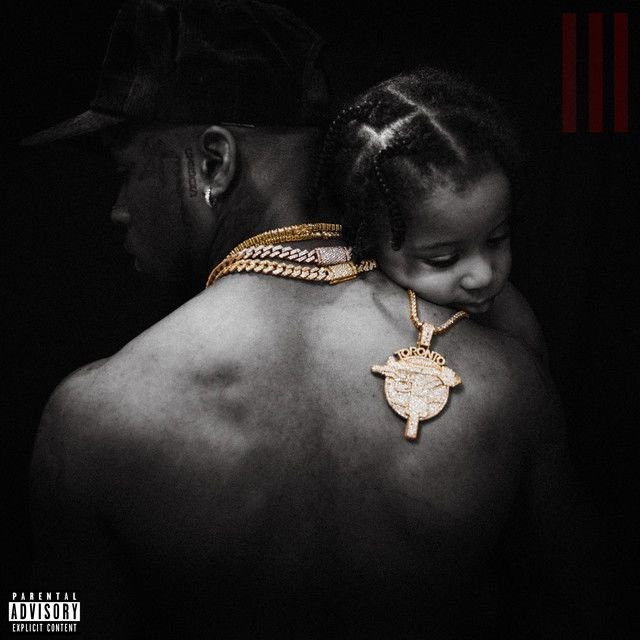
Why "P.A.I.N" by Tory Lanez Hits So Hard
The meaning of P.A.I.N Tory Lanez comes through fast: this is a song about surviving deprivation, carrying trauma, and refusing to let that struggle be dismissed. Even when the track talks about money, status, or retaliation, its emotional center is still hunger, pressure, and memory.
"P.A.I.N" - Tory Lanez
Shit, I feel this shit in my soul, nigga, like
Got me feelin' this shit
Loading lyrics...
Unable to load lyrics
We're unable to display the lyrics at this time. Please try again later.
Rather than sounding reflective in a soft way, the song feels like a hard confession. They frame pain as something earned through real experience, not something an outsider can judge from the finished image.
The Heart of the Message
At its core, the song argues that success is built on damage. The repeated idea that others can't feel my pain
is not just a complaint. It is the song’s thesis.
They are saying people may see the car, jewelry, or confidence, but they do not see what came before it. That includes poverty, crime, fear, family responsibility, and the daily pressure to survive.
Interpretation: The title "P.A.I.N" works as both a feeling and a worldview. Pain is not only what happened in the past. It becomes the lens through which they see loyalty, ambition, and danger in the present.
Watch the official P.A.I.N
music video
From Hunger to Hustle
One of the clearest parts of the song is its focus on material lack. When the verse mentions holes in my Adidas
, it gives a small but vivid image of being young, poor, and judged. The detail matters because it grounds the song in lived reality instead of abstract struggle.
They also connect that hardship to the choice to hustle. School, stability, and safety are pushed aside by the need to make money. The line about putting food in the kitchen turns street activity into a family obligation, not just reckless behavior.
This is why the song feels morally tense. It does not present survival as clean. It presents it as urgent.
The Chorus Turns Pain Into Identity
The hook is simple, but that simplicity gives it force. Alongside we came from nothing
, the chorus keeps returning to the idea that no one else truly understands the cost of getting here.
That repetition does two things:
- It emphasizes emotional isolation.
- It turns pain into proof of authenticity.
- It makes success sound defensive, not relaxed.
In other words, the song is not saying, “They made it.” It is saying, “They made it, but the wounds came with them.” That is a key part of the meaning of P.A.I.N Tory Lanez.
Street Detail and Emotional Weight
The song is full of hard images: watching for police, protecting a circle, carrying weapons, and expecting betrayal. Phrases like Twelve watching
and my baby crying tears
widen the track’s emotional range.
One image points to constant surveillance and pressure from law enforcement. The other points to family pain and helplessness. Put together, they show that the speaker’s world is shaped by both public danger and private guilt.
Heads to the sky
backs to the wall
young and unprepared
This short passage captures the song’s deepest conflict. There is pride and hope, but also entrapment. They want more from life, yet they are boxed in by the environment around them.
What Success Means Here
A big part of the song’s tension is that success is real, but it does not feel peaceful. Jewelry, cars, and status show up as visible signs that the narrator has changed position. Yet these details never fully become celebration.
Why? Because the song keeps linking present-day success to old deprivation. When they look back, they frame flashy rewards as the result of childhood lack. Wanting ice, rings, and better things is not random vanity in the song’s logic. It grows from being denied those things early.
Interpretation: The track suggests that ambition can come from pain just as much as from hope. The dream is not only to be rich. It is to erase the humiliation of going without.
How the Sound Carries the Story
Even without a soft melody, the production helps sell the song’s meaning. The beat feels heavy and driving, which matches the lyrics’ urgency. The flow is direct and aggressive, but underneath that aggression is strain.
That matters because the song’s message depends on contrast. On the surface, it can sound like dominance. Underneath, it sounds like someone still reacting to old wounds.
The writing credits provided in the prompt include Daystar Peterson, Barrington Wright, Cassius Jay, Daniel Gonzalez, Jamaal Jones, Sarah Abiona Johnson, Thorstein Naesset Borja, and Xavier Omar. Those multiple contributors help explain why the song mixes blunt street realism with a more reflective, almost sermon-like passage near the end.
A Bigger Reading of the Song
There is a narrow reading of "P.A.I.N" as a song about toughness and retaliation. That reading is supported by violent imagery and an us-versus-them mindset.
But a fuller reading is stronger. The song is also about what poverty does to a person’s values and emotions. It shows how deprivation can make survival feel more urgent than innocence, and how achievement does not automatically heal the past.
That is why the title lands. Pain is not just one topic in the song. It is the engine of the whole track.
Why This Song Still Connects
The meaning of P.A.I.N Tory Lanez stands out because it mixes bravado with vulnerability. They speak in the language of power, but the song keeps returning to fear, hunger, and memory. That blend makes it more than a simple street anthem.
For many listeners, the song connects because it understands a hard truth: people often see the outcome, not the cost. "P.A.I.N" insists on the cost.
Disclaimer: This article offers interpretation based on the lyrics provided and general musical analysis. Song meaning can vary from listener to listener.








