Why 'Watermelon Crawl' Still Charms Country Fans
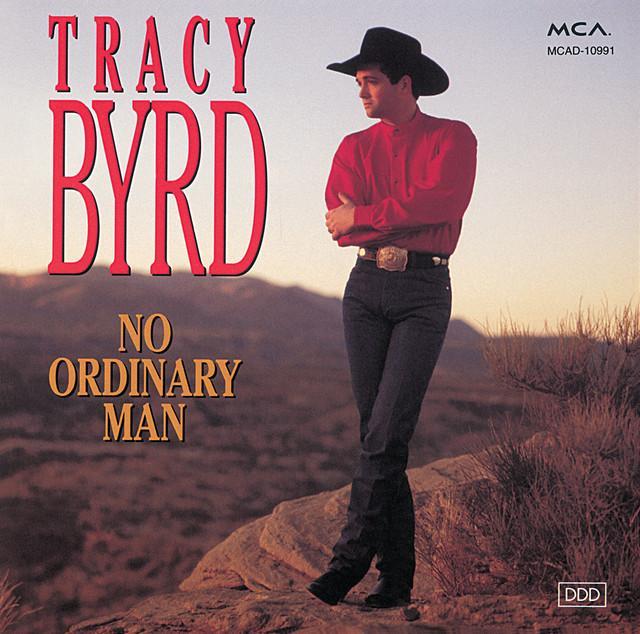
The meaning of Watermelon Crawl Tracy Byrd starts with a simple country setup: a traveler takes a detour, finds a local festival, and gets pulled into the fun. Recorded by Tracy Byrd and released in 1994 as the second single from No Ordinary Man, the song reached No. 4 on Billboard’s Hot Country chart, helping make it one of Byrd’s best-known hits (Wikipedia).
"Watermelon Crawl" - Tracy Byrd
On a day hot enough to make the Devil sigh
I saw a homemade sign written in red
Loading lyrics...
Unable to load lyrics
We're unable to display the lyrics at this time. Please try again later.
But the song lasts because it is more than a novelty dance tune. Under the jokes, the heat, and the party mood, it celebrates a kind of Southern community where strangers are welcome, rules are clear, and fun becomes a shared ritual.
A Detour That Turns Into Belonging
At the story level, the narrator is just passing through Georgia in late July. Then they see a sign for a watermelon festival and decide to stop. That choice matters. The song begins with motion and distance, but quickly turns toward connection.
Instead of rushing ahead, the traveler enters a place that runs on local pride. The made-up setting of Rind County feels playful from the start, and that humor tells listeners not to take the story too seriously. This is a tall tale, but it is grounded in familiar country values: hospitality, celebration, and slowing down long enough to enjoy where they are.
Interpretation: the real point is not the road trip. It is the reward for stepping off the main road and joining a community for a while.
Watch the official Watermelon Crawl
music video
The Chorus Turns a Joke Into the Main Message
The chorus is catchy because it mixes drinking, dancing, and a wink of public safety. The town offers sweet red wine
made from watermelons, but the mayor also gives a clear warning: If you drink, don't drive
. Rather than sounding preachy, the line becomes part of the party.
That is the clever center of the song. The phrase do the watermelon crawl
works as both a dance instruction and a joke about what people should do instead of getting behind the wheel. The chorus turns responsible behavior into something communal and fun.
Help yourself to somebut obey the lawdo the watermelon crawl
This is the one place where the song’s novelty hook reveals its meaning most clearly. Pleasure is welcome, but it belongs inside a social code. The town knows how to celebrate without losing control.
A Dance as a Symbol of Small-Town Culture
When the band starts, the so-called watermelon queen teaches the visitor the dance. The scene is broad, comic, and physical. She shows off, takes the lead, and pulls the outsider into the local tradition.
That matters because the dance is really a symbol. It stands for participation. Nobody fully belongs at the festival until they join in. The song could have made the narrator a detached observer, but instead it makes them a participant.
The repeated invitation to have a ball
gives the song its open-door spirit. In many country songs, small towns are shown as places with strong boundaries. Here, the boundary is easy to cross. A stranger shows up, follows the rhythm, and becomes part of the crowd.
Sound, Tempo, and Why the Meaning Feels Light
Musically, “Watermelon Crawl” supports its meaning with bright, accessible country production. The arrangement moves at a dance-friendly pace, and Byrd’s vocal delivery stays relaxed rather than rough or intense. That choice keeps the song from becoming rowdy in a darker way.
The instrumentation fits early 1990s mainstream country: a steady backbeat, lively fiddle and guitar touches, and a clean, radio-ready mix. Produced by Jerry Crutchfield and Tracy Byrd, the track is built to feel easygoing and social, not lonely or dramatic. That sonic warmth matches the lyrics exactly. The listener is not meant to analyze heartbreak. They are meant to feel invited.
This is also why the song crossed beyond pure novelty. It is structured like a crowd-pleaser, but it is performed with enough craft that the joke never wears out too fast. The sound sells the setting.
Tracy Byrd’s Persona Helps Sell the Story
Byrd was one of the major voices in 1990s country’s more approachable, good-time lane. “Watermelon Crawl” fit that image well. Coming from No Ordinary Man, it followed a period when he was building strong radio momentum, and its chart run showed how well this kind of song connected with listeners.
According to chart data summarized by Wikipedia, the single reached No. 4 on the U.S. Hot Country chart, No. 8 in Canada, and No. 81 on the Hot 100. Those numbers matter because they show the song’s appeal was not limited to line-dance fans. It had broad crossover charm.
The music video, directed by Michael Merriman, leans into that same appeal by showing a festival atmosphere and shared dancing. Even off the page, the song’s world is visual, bright, and communal.
The Deeper Meaning Behind the Fun
So what is the meaning of Watermelon Crawl Tracy Byrd in the end? Factually, it is a story-song about stumbling into a Georgia watermelon festival and learning a local dance.
Interpretation: beneath that plot, it celebrates three things:
- the joy of slowing down
- the welcome of local tradition
- the idea that fun works best when shared
It also gently praises common sense. The famous hook turns safe behavior into a party slogan, which helps explain why the song feels wholesome even while it centers on homemade wine.
Why the Song Still Works Today
Many novelty country songs age badly because the joke is too thin. “Watermelon Crawl” holds up because it offers more than a gimmick. It has a clear setting, a mini-story, a memorable hook, and a social message wrapped in humor.
Most of all, it sells a fantasy of American summer: heat, roadside signs, local festivals, dancing, and a town where nobody stays a stranger for long. That fantasy is a big part of its staying power.
Their final takeaway is simple: this song is not trying to be profound, but it is smart about what makes people feel at home. That is why it remains one of Tracy Byrd’s signature hits.
Disclaimer: This interpretation separates verified facts about the song’s release and chart history from critical reading of its themes, symbols, and emotional meaning.








