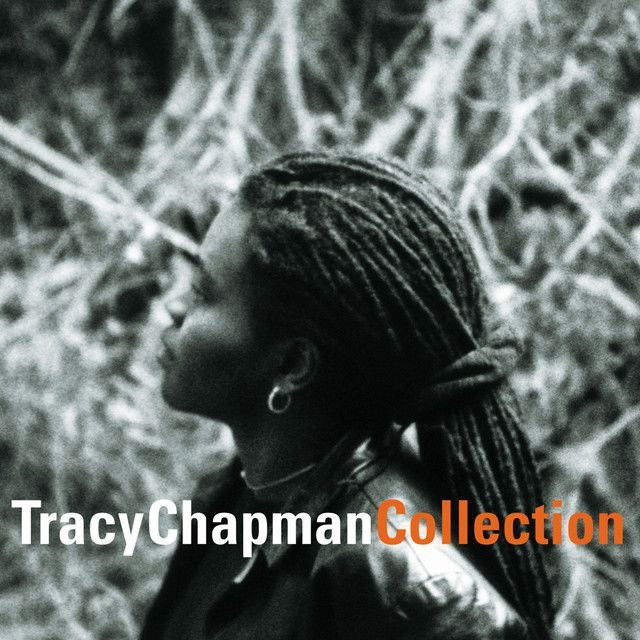
Crossroads by Tracy Chapman
The meaning of Crossroads Tracy Chapman centers on moral pressure, personal freedom, and the fight to keep one’s inner self intact. On the surface, the song sounds like a moment of crisis. Underneath, it is about refusing to let money, public opinion, or fear decide a person’s values.
"Crossroads" - Tracy Chapman
But you never made any sacrifice
Demons they are on my trail
Loading lyrics...
Unable to load lyrics
We're unable to display the lyrics at this time. Please try again later.
Written by Tracy Chapman and released on the album Crossroads in 1989, the song fits the plainspoken, socially aware writing style that defined her early work. Chapman’s official site and major discographies credit her as the songwriter and place the track on that second studio album, released by Elektra in 1989.
A Moral Battle, Not Just a Hard Choice
At its core, the song presents a speaker who feels surrounded. Other people believe they can define their life, buy their loyalty, or push them into compromise. The opening complaint about people thinking they own my life
quickly establishes that pressure.
This is not just about one bad decision. It is about a whole system of demands closing in from every side. When the singer describes being at a crossroads and feeling grabbed from both directions, the song turns choice into a spiritual emergency.
Interpretation: the crossroads image suggests a moment where identity itself is at risk. The real danger is not simply choosing wrong. It is giving away the self.

Watch the official Crossroads
music video
The Devil in This Song Is Human
One of the sharpest ideas in the song is its rejection of evil as something distant or magical. Chapman writes that some people treat the devil as mystical, but then reduces that image to everyday behavior: a liar, a thief, a manipulator.
That is why the line walking man
matters so much. It brings temptation down to earth. In this song, evil is not horns and fire. It is persuasion, corruption, and the voice that tells people to trade conviction for comfort.
What is at your back
Which way do you turn
Your devils or your gods
This brief passage frames the whole song as a test. The speaker is not only asking where to go next. They are asking what kind of force will shape that next step.
Why Money and Compromise Feel So Threatening
A major part of the meaning comes from the song’s anger toward selling out. The speaker pushes back against people who assume everyone has a price. The phrase got my price
is short, but it carries the weight of the entire argument.
The song suggests that modern pressure often arrives through money, status, or demands to be “reasonable.” That is why compromise is treated with suspicion here. In many songs, compromise sounds mature. In “Crossroads,” it can mean surrender.
Interpretation: Chapman is not saying every compromise is wrong. They seem to be targeting the kind that asks a person to betray their deepest beliefs just to survive, fit in, or profit.
The Sound Keeps the Focus on Conscience
Musically, “Crossroads” supports its message through restraint. Chapman’s work in this era is rooted in singer-songwriter, folk-rock, and soft rock traditions, with a steady groove and clear vocal phrasing rather than flashy production. That simplicity helps the words feel direct.
The arrangement does not distract from the conflict. Instead, it creates a tense, grounded space where the listener stays close to the voice. The repeated humming acts almost like a pause for thought, or the sound of someone carrying pain they cannot fully explain in sentences.
This matters because the song is not built like a dramatic movie scene. It feels internal. Even when the language turns spiritual, the performance stays human-sized and controlled, which makes the struggle more believable.
A Personal Stand With Social Weight
The ending gives the song its clearest act of resistance. The speaker rejects the forces trying to rule their life and insists on self-preservation. The repeated pledge to save myself
is not selfish in the narrow sense. It sounds like moral survival.
That is part of what makes the song broader than a private confession. Chapman often wrote about dignity, inequality, and power in ways that connected the personal and political. “Crossroads” can be heard as one person’s stand, but also as a statement about resisting systems that reward silence and obedience.
Two Strong Readings
There are at least two solid ways to hear the song:
- Personal reading: it is about an individual under emotional and moral pressure, trying not to lose their identity.
- Social reading: it is about resisting a culture that measures everything by money, control, and compliance.
Both readings fit because the lyrics stay open enough to support them at once.
Why “Crossroads” Still Connects
The reason listeners still return to this song is simple: its conflict never gets old. Many people know what it feels like to be told to bend, to accept the price of belonging, or to ignore their conscience.
The meaning of Crossroads Tracy Chapman endures because the song does not promise easy victory. It admits that pressure is constant and that the wrong voices can sound persuasive. But it also argues that the self is worth defending.
In the end, “Crossroads” is about choosing integrity over control, soul over profit, and conviction over fear. That message lands with force because Chapman delivers it without excess. They let the crossroads stand where it belongs: inside ordinary life.
Disclaimer: This interpretation is based on the song’s lyrics, performance, and available release context. As with any work of art, listeners may hear different meanings in it.








