What "In Waves" by Trivium Really Means
Trivium's "In Waves" hits with blunt force, but its message is more focused than its chaos first suggests. The meaning of In Waves Trivium comes down to collapse in cycles: fear, anger, death-awareness, and self-destruction arriving again and again, never just once.
"In Waves" - Trivium
In waves
In waves
Loading lyrics...
Unable to load lyrics
We're unable to display the lyrics at this time. Please try again later.
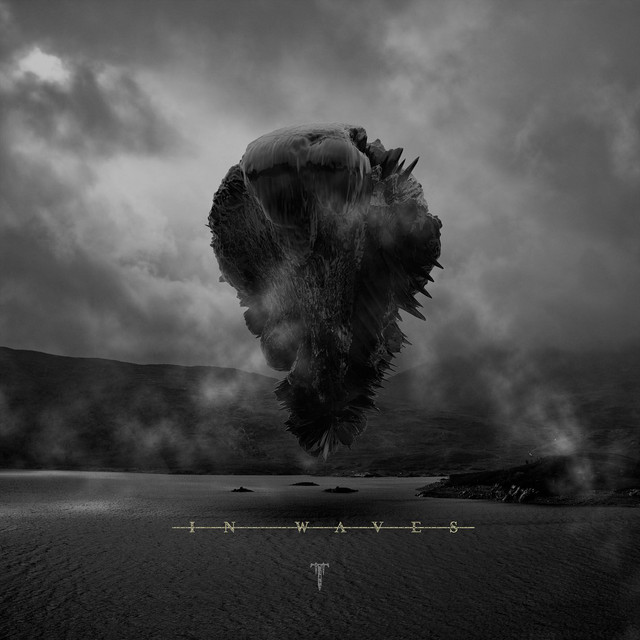
As the title track and first single from Trivium's fifth album, In Waves, the song helped define a new chapter for the band in 2011. The album was released on August 2, 2011, and was produced by Colin Richardson and Martyn "Ginge" Ford. It also marked the first Trivium album with drummer Nick Augusto, according to the album's documented release history and credits.^1
The Core Idea Beneath the Violence
At heart, the song sounds like a speaker trapped between private despair and public damage. They do not just fear ending themselves emotionally or spiritually; they fear taking others with them. That is why the song feels bigger than simple anger.
Early lines ask whether they should end everything for the world to see
. Paraphrased, that is a question about public collapse, shame, and spectacle. The pain is not hidden. It becomes visible, and once it does, it threatens to spread.
That leads to the song's ugliest thought: everybody else down with me
. The phrase is short, but it carries the song's moral center. This is not only about suffering. It is about contamination—how one person's ruin can damage friends, family, bandmates, or an entire community.

Watch the official In Waves
music video
Why the Repetition Matters So Much
The hook repeats In waves
so often that it becomes more than a title. It turns into a pattern. The speaker is not describing one single event. They are describing recurrence.
Interpretation: those waves can represent several things at once:
- panic or depression returning in cycles
- violent impulses rising and crashing
- the constant awareness of mortality
- the way destruction spreads outward in ripples
That repetition is why the lyrics feel obsessive rather than poetic. The song is built like an intrusive thought. It keeps coming back, and each return feels less avoidable.
A Song About Death, Futility, and Dragging Others Down
Midway through, the song becomes more explicit. The speaker admits that death approaches fast
and asks what purpose life has if it does not last. Paraphrased, that is not a calm philosophical question. It sounds like someone staring at impermanence and losing their grip.
Then the song links death-awareness to harm done to others: pulling everyone down with me
. That line is crucial to the meaning of In Waves Trivium. The speaker sees their collapse as collective, not isolated. They imagine themselves as a center of gravity pulling everyone nearby into the same darkness.
There is also a strong sense of self-disgust here. They seem aware that this thinking is destructive, but awareness does not stop it. That conflict gives the song its real tension.
The Chorus Turns Emotion Into Elemental Force
The chorus shifts from personal questions to nearly apocalyptic imagery. The song describes people as igniting in waves
and then sinking in flames. Instead of water putting fire out, the song mixes the two elements together. That contradiction matters.
Interpretation: Trivium may be showing how emotional ruin does not move in a neat line. It surges, burns, recedes, and returns. Fire suggests rage and violence. Waves suggest repetition and inevitability. Together, they create a feeling of unstoppable collapse.
Perpetuallywe're igniting in waves
Incessantlywe're sinking in flames
This short section widens the song from "I" to "we." That switch suggests a shared human condition, or at least a shared downfall. The pain is no longer only personal. It becomes communal.
How Trivium's Sound Carries the Meaning
The music is essential to why the song lands so hard. In Waves was widely described as a return toward Trivium's metalcore and heavy metal roots after stylistic shifts on earlier records.^1 Critics also noted its polished but aggressive attack, with strong riffs, memorable hooks, and a balance between screaming and melody.^2
That matters because the song's structure mirrors its theme. The riffs hit in sharp bursts, the drums drive forward with almost mechanical force, and Matt Heafy's vocals swing between commanding roar and rhythmic chant. The band does not present despair as quiet sadness. They present it as impact.
Nick Augusto's arrival on drums also helped sharpen that energy on the album.^1 In "In Waves," the drumming gives the repeated refrain a marching, unavoidable feel, like each cycle is already on its way before the last one ends.
Why This Song Was a Turning Point
Songfacts quotes Matt Heafy calling "In Waves" the album's "turning point," saying the band wanted to show fans something unexpected first.^3 That comment helps explain the song's role in Trivium's catalog.
It is not their most complex lyric, but it may be one of their clearest mission statements. The song announces a return to heaviness while keeping the big, memorable hook needed for a title track and lead single. Commercially, the album debuted at No. 13 on the Billboard 200 and No. 1 on the Hard Rock chart, making it the band's highest-charting release to that point.^1
So the song's meaning works on two levels: inwardly as a portrait of recurring destruction, and outwardly as a statement of identity from a band resetting its direction.
Final Take on the Meaning of In Waves Trivium
The meaning of In Waves Trivium is the terror of collapse that does not happen once, but repeatedly. The speaker faces death, futility, and guilt over harming others, while the music turns that inner crisis into something physical and communal.
For listeners, that is why the song still works. It is simple, but not shallow. It captures what it feels like when dark thoughts return in cycles and start to feel bigger than the self.
Disclaimer: This interpretation is based on the song's lyrics, sound, and available artist context. As with most songs, listeners may hear different meanings in it.








