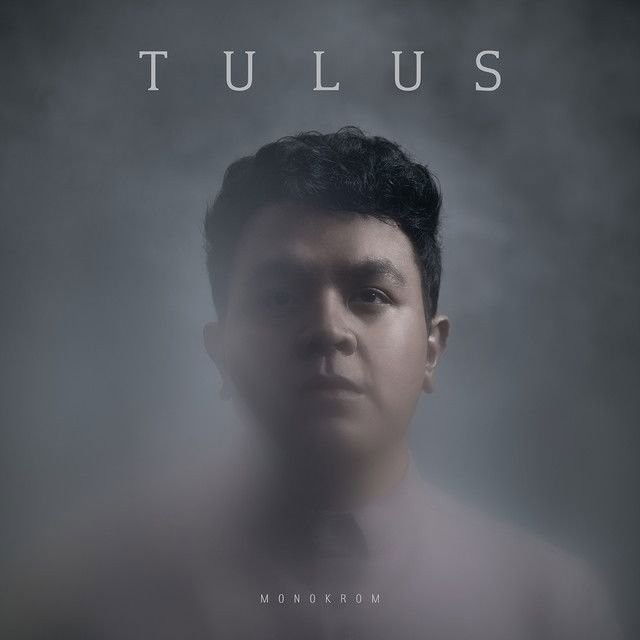
Why "Manusia Kuat" by Tulus Feels Unbreakable
The meaning of Manusia Kuat Tulus comes through with unusual clarity: this is a song about endurance when life, other people, or even cruelty try to strip a person of their strength. Tulus and co-writer Ari Renaldi build the message from a simple contrast. The body may be hurt, the heart may be shaken, and joy may be stolen for a while, but the inner self does not have to surrender.
"Manusia Kuat" - Tulus
Tapi tidak mimpi-mimpiku
Kau bisa lumpuhkan tanganku
Loading lyrics...
Unable to load lyrics
We're unable to display the lyrics at this time. Please try again later.
That is why the song feels bigger than a standard motivational track. It is not pretending pain is small. Instead, it admits damage, then insists that damage is not the end.
A Battle Between Harm and Hope
The verses are structured around threats and replies. Again and again, the lyric presents something that can be taken away, then answers with something deeper that remains. A short phrase like tidak mimpi-mimpiku
becomes the song's core idea: dreams survive even when circumstances do not cooperate.
This pattern matters. The song is not about invincibility in a comic-book sense. They are still vulnerable. Legs can break, hands can fail, smiles can disappear, and a heart can be torn. But every loss is answered with defiance, recovery, or redirection.
Interpretation: that makes the song less about winning every fight and more about protecting identity. The self is strongest where it cannot be easily reached.

Watch the official Manusia Kuat
music video
The Chorus Turns "I" Into "We"
The most powerful shift comes in the refrain. What begins as one person's answer to pain opens into a collective statement: Manusia-manusia kuat itu kita
. In English, the idea is that strong people are "us."
That move changes the whole emotional scale of the song. They are no longer listening to a private pep talk. They are hearing a communal anthem. The song suggests resilience is not rare and heroic in a distant way. It is ordinary, human, and shared.
A second short line, Jiwa-jiwa yang kuat itu kita
, deepens that message. Strength is not just physical toughness. It is spiritual and emotional stamina. The repeated hook makes listeners feel included in that identity, almost like a crowd singing themselves back into courage.
What the Images Really Mean
The song uses plain language, but its images carry a lot of weight. Physical injury stands in for extreme hardship. Emotional loss appears in lines about a stolen smile and a damaged heart. Moral distortion appears in the idea of someone trying to blacken what is white, captured in hitamkan putihku
.
That last image is especially important. It suggests not only suffering, but also manipulation. Someone may try to corrupt the singer's goodness, reputation, or clarity. Yet the answer is firm: they may attack appearances, but they cannot fully darken what is true.
Another key idea is adaptation. When one road collapses, the song says another can be found. This is one reason the meaning of Manusia Kuat Tulus resonates so strongly. It is not stuck in anger. It keeps moving.
Faith Adds a Final Layer
Near the end, the song introduces a line about divine will. It argues that if something is not permitted by God, then deceit will not ultimately bring harm. That moment gives the song a spiritual frame.
Interpretation: listeners can hear this in two ways:
- as explicit religious trust
- as a broader belief that evil has limits
Either way, the lyric strengthens the song's confidence. Resilience is no longer just personal discipline. It is connected to a larger moral order.
Bila bukan kehendak-Nyatidak satu pun culasmu
Even in this brief passage, the message is clear: cruelty does not get the final word.
How the Sound Supports the Message
Tulus is known for smooth pop arrangements, soul influence, and warm vocal delivery across his catalog. In this song, the likely effect of the production is to make firmness sound inviting rather than aggressive. The melody carries reassurance, while repetition in the chorus gives the song its anthem quality.
That matters because a harsher arrangement might have turned the song into confrontation. Instead, the musical feel supports perseverance. They are not hearing revenge. They are hearing steadiness.
The repetition also mirrors the lyrical point. By returning to the same hook over and over, the track performs resilience in real time. The message does not just appear once; it stands back up each time it is challenged.
Artist Context Helps Explain Its Reach
Tulus, born Muhammad Tulus, is one of Indonesia's most respected pop songwriters, known for emotionally clear writing and elegant delivery. The provided credits list the writers as Muhammad Tulus and Ari Renaldi, which fits the song's balance of direct language and broad emotional appeal.
That context helps explain why the track has connected with so many listeners. Tulus often writes in a way that feels personal without becoming narrow. Here, they turn private pain into public reassurance.
Why the Song Endures
The lasting power of the meaning of Manusia Kuat Tulus lies in its balance. It acknowledges suffering without glorifying it. It offers confidence without denying weakness. And it turns the idea of strength away from domination and toward survival.
For many listeners, that is the song's real gift. It says a person does not need to stay untouched to remain whole. They only need to keep faith with the part of themselves that still dreams.
Final Take
"Manusia Kuat" is best understood as an anthem of inner endurance. Its strongest claim is simple: pain can interrupt a life, but it does not have to define it.
Disclaimer: This interpretation is based on the lyrics provided and publicly known artist context. Song meaning can remain open, and different listeners may hear different shades of hope, faith, and resistance.







