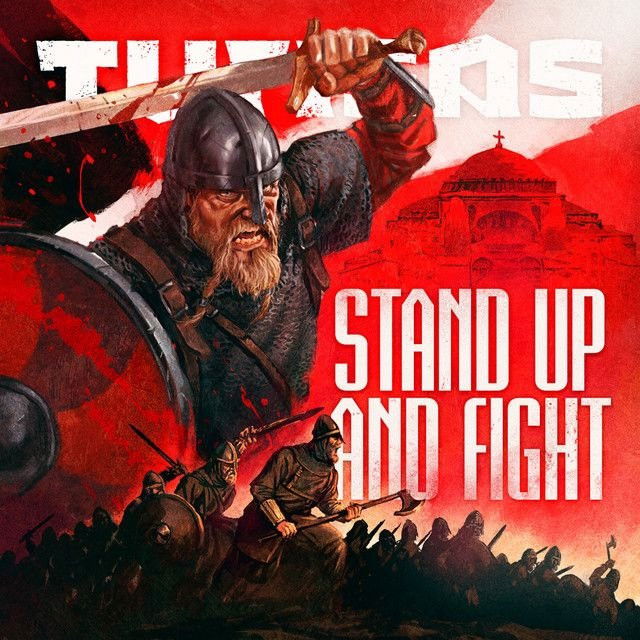
Why Turisas Turned an Ending Into Legend
The meaning of The Bosphorus Freezes Over Turisas comes down to one big idea: endings matter because of what they leave behind. This is not a victory song, even though Turisas are known for grand, battle-ready folk metal. Instead, they deliver something mournful and reflective, a track that stares at death, memory, and legacy without blinking.
"The Bosphorus Freezes Over" - Turisas
Loading lyrics...
Unable to load lyrics
We're unable to display the lyrics at this time. Please try again later.
Written by Mathias Nyg�e5rd, the song closes The Varangian Way, Turisas�b4 2007 concept album about a journey from the Baltic region toward Byzantium. That larger story matters because this finale feels like the point where adventure gives way to consequence. The result is less about conquest than about what survives after the road ends.
A Finale About Death, Fate, and What Remains
On the surface, the lyrics describe a death scene in Piraeus harbor, with snow falling and time finally catching up. The prose-like opening gives the song unusual clarity. It says, in effect, that the thing most feared has arrived, and the speaker feels both grief and disappointment. That emotional mix is important. Death here is not noble or neat. It feels abrupt, unfair, and unfinished.
A few short phrases sharpen that mood: time had caught up with us
, The Thread ended
, and I felt betrayed
. Paraphrased together, they suggest a life cut off by fate. The image of the thread points back to mythic ideas of destiny, where life is measured and then suddenly severed.
Interpretation: the song is not only about one person dying. It is also about how people react when a long struggle ends without the meaning they hoped for.

Watch the official The Bosphorus Freezes Over
music video
The Impossible Title and Its Symbolic Weight
The title image is striking because it sounds almost unreal. The Bosphorus freezing over feels like a sign that something extraordinary and terrible has happened. In the song, that phrase turns a private death into a historical or even cosmic event.
That matters for the meaning of The Bosphorus Freezes Over Turisas because Turisas often write on a huge canvas. They mix history, travel, myth, and identity. Here, the title suggests a world moment, not just a personal one. It makes grief feel epic.
Why the setting matters
Piraeus and the Bosphorus place the song near the eastern Mediterranean, tying it to the route and world of The Varangian Way. Even without hearing every album detail, listeners can feel that the narrator stands at the end of a long passage across cultures, seas, and empires.
The Chorus Sees Memory as a Kind of Afterlife
The Finnish section changes the song from storytelling into lament. Even if a listener does not speak Finnish, its sound is solemn and hymn-like. In paraphrase, it says only a few get to write their final song, that this song remains in memory, and that sorrow opens toward eternity.
The key phrase is Muistoihin j�e4�e4
, which points to remembrance. Another important image is Ikuisuuden
, or eternity. Together, they shift the focus away from what the dead person lost and toward what the living keep.
Muistoihin j�e4�e4
Laulumme t�e4�e4
That short passage captures the song�b4s heart: a life ends, but memory and song continue. In other words, legacy becomes the answer to mortality.
The Hourglass, the Lion, and Other Key Symbols
Later, the lyrics move from a death scene to reflection. The hourglass image is especially sharp. The song says people obsess over sand steadily falling, but they miss that the glass itself could break at any moment. That is a powerful way of saying people worry about gradual aging while forgetting that death can arrive suddenly.
The song then offers its clearest statement of purpose: it is not about what one takes, but what one leaves behind. That line turns the track into a meditation on legacy. Wealth, glory, and travel mean less than memory, story, and impact.
The final image, on the side of a lion
, is more ambiguous. Interpretation: it may point to heraldry, empire, courage, or a literal emblem within the album�b4s historical setting. What matters most is that the story ends beside a symbol of power, while the actual emotional focus stays on loss.
How Turisas�b4 Sound Carries the Meaning
Turisas are widely described as a symphonic or folk-metal band, known for violin, accordion, heavy guitars, and theatrical arrangements. In this song, that style becomes slower and more ceremonial. Instead of charging forward, the music feels like it is carrying a body, a memory, or a tale toward its final resting place.
The contrast between spoken narrative, clean melodic sections, and the Finnish refrain strengthens the meaning. The spoken parts feel intimate and human. The sung refrain feels communal, almost ritualistic. That shift mirrors the lyrical movement from one death to shared memory.
This is why the meaning of The Bosphorus Freezes Over Turisas lands so hard: the production lets grief grow from private pain into collective remembrance.
A Song About More Than One Ending
There are at least two strong readings here. Interpretation one: this is literally the death of a character at the end of the album�b4s journey. Interpretation two: it is also about the end of a brotherhood, a dream, or an era, where disappointment matters as much as death itself.
That second reading is supported by phrases like what you leave behind
. The song does not dwell on possessions or triumph. It asks what outlives a person when the struggle is over.
Why the Song Still Connects
What makes this track memorable is how honestly it handles finality. It does not pretend endings are beautiful. It admits they can feel cruel, sudden, and incomplete. Yet it still finds a form of hope in memory, song, and the traces people leave in others.
For many listeners, that is the real meaning of The Bosphorus Freezes Over Turisas: death ends a life, but it does not automatically end significance. The song turns mourning into remembrance, and remembrance into a kind of immortality.
Disclaimer: This interpretation is based on the lyrics, album context, and musical presentation. As with many songs, different listeners may hear different meanings.








