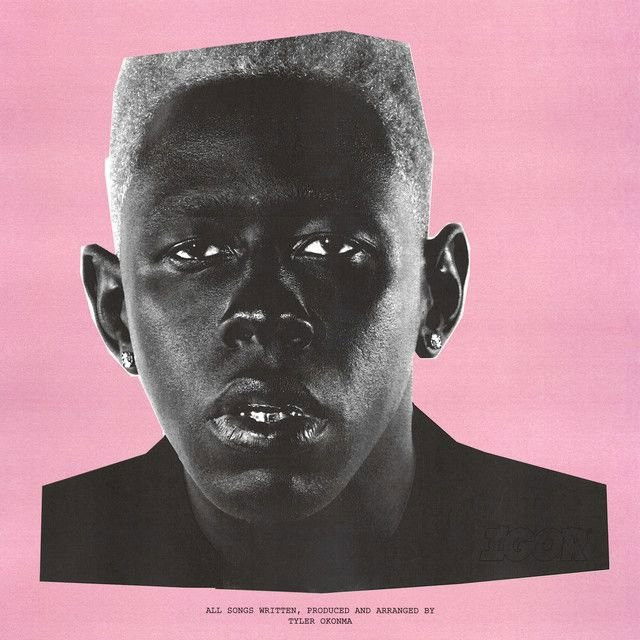
WHAT'S GOOD by Tyler, the Creator
Tyler, the Creator's IGOR is full of emotional confusion, but “WHAT'S GOOD” hits like a sudden burst of force. For listeners searching for the meaning of WHAT'S GOOD Tyler, the Creator, the key idea is this: the song sounds like someone pushing through heartbreak by becoming bigger, louder, and harder to break.
"WHAT'S GOOD" - Tyler, the Creator
How the fuck you quiet with the mic on?
I don't get anxiety, you Sam Bowie-ass niggas
Loading lyrics...
Unable to load lyrics
We're unable to display the lyrics at this time. Please try again later.
On the surface, it is a flex-heavy rap performance. Under that surface, it feels like a turning point. Tyler's character is still angry, still chaotic, but no longer stuck in pure sadness. They sound revived.
A Fight Song Hidden Inside a Breakup Album
Factually, “WHAT'S GOOD” appears on IGOR, released in 2019, a concept-driven album Tyler wrote and produced that later won Best Rap Album at the 2020 Grammy Awards. Across the album, the story moves through obsession, jealousy, denial, and emotional collapse.
That context matters. “WHAT'S GOOD” lands late in the album, after earlier songs show deep longing and instability. Here, Tyler sounds like they are trying to regain control by force.
Interpretation: this is not calm healing. It is survival mode dressed up as swagger.
Watch the official WHAT'S GOOD
music video
Why the Opening Feels So Confrontational
The first verse comes out swinging. Tyler mocks doubters, compares them to failed potential, and makes clear they are not frozen by fear. When they say I just get my Mike on
, the point is bigger than a basketball pun. They are saying pressure does not silence them; it activates them.
That helps explain the whole song's tone. Tyler is not just bragging because they are successful. They are bragging because they need to reassert identity after emotional damage. On IGOR, love has made the narrator feel small. On “WHAT'S GOOD,” they try to become untouchable again.
Mirrors, Clowns, and a Shaken Sense of Self
One of the most interesting lines points to a deeper crisis: ain't no mirrors around
. Before and after that thought, Tyler frames the world as fake, mocking, and unstable. The image of mirrors suggests self-recognition.
Interpretation: if there are no mirrors, there is no easy way to see oneself clearly. That fits IGOR perfectly. The album's narrator keeps losing track of who they are inside desire, jealousy, and rejection.
The insult about clowns works the same way. When Tyler calls others fools, they also create distance from vulnerability. Everyone else becomes ridiculous so they can avoid looking wounded.
The Chorus Changes the Song's Meaning
The repeated phrase I see the light
shifts everything. Without it, “WHAT'S GOOD” would mostly be a hard-edged rap attack. With it, the track becomes stranger and more revealing.
That line can mean several things at once:
- clarity after emotional confusion
- survival after danger
- spiritual awakening
- acceptance starting to break through anger
The most powerful thing about the hook is its contrast. The verses are aggressive, but the refrain sounds almost relieved. Tyler is still threatening people, still chest-out and defiant, yet something inside has changed. They can finally see beyond the chaos.
A Brush With Death or a Metaphor for Rebirth?
The late verse brings the song's clearest dramatic image: a crash that did not end them. Tyler says That car crash couldn't take me
, then turns quickly toward rebirth, reset, and being alive.
Because IGOR is a highly stylized album, this can be read two ways. Interpretation one: it is a literal near-death image, used to show survival and renewed purpose. Interpretation two: it is emotional symbolism. The “crash” is the wreckage of the relationship and the identity crisis it caused.
Either way, the message is similar. Tyler is saying the worst thing already happened, and they are still here.
No answer why
no tears to cry
bitch, I'm alive
That short moment is the song's emotional center. Instead of explaining the pain, Tyler skips straight to endurance.
How the Sound Carries the Meaning
Tyler is widely credited as the sole writer and producer of the track under their own name on IGOR's album credits, and the album was released through Columbia Records and Sony Music. The production on “WHAT'S GOOD” is crucial to its meaning.
The beat feels jagged, blown-out, and unstable. Drums hit hard, synth textures feel abrasive, and Tyler's vocal delivery swings between command and mania. Then the repeated hook arrives like a beam cutting through smoke.
That design mirrors the song's emotional split. One side wants domination. The other wants release. The track never fully chooses between them, which is why it feels so alive.
The Best Way to Read the Song in IGOR's Story
For many listeners, the meaning of WHAT'S GOOD Tyler, the Creator is about confidence. That is true, but incomplete. The song is really confidence as armor.
Earlier IGOR songs sound needy and broken. “WHAT'S GOOD” sounds like the moment Tyler's narrator stops begging and starts rebuilding their ego. They are still messy. They are still reactive. But they are no longer only heartbroken.
Final Take
The song works because it turns healing into something rough and imperfect. Tyler does not present growth as peaceful. They present it as loud, defensive, funny, scary, and real.
In that sense, “WHAT'S GOOD” is about seeing the light without becoming gentle overnight. It is the sound of someone surviving humiliation, reclaiming power, and trying to live with whatever comes after.
Disclaimer: This article offers interpretation based on the lyrics, album context, and public release information. Song meanings can remain open, and different listeners may hear the track differently.








