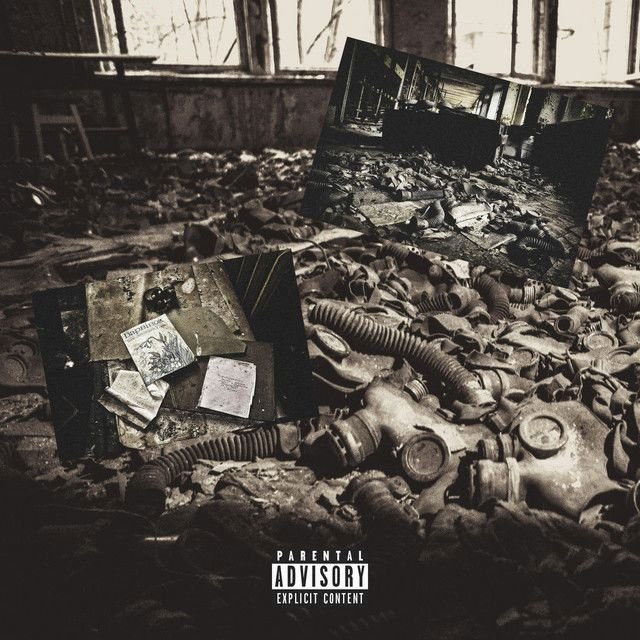
What 'Chernobyl' by Unaverage Gang Really Means
The meaning of Chernobyl Unaverage Gang comes through as a mix of horror, rage, and emotional exile. On the surface, the song sounds like pure menace. Underneath, it feels like a portrait of people who have been pushed so far into darkness that they start treating that darkness like home.
"Chernobyl" - Unaverage Gang
Put 'em in they grave, leave 'em to decay
Welcome you to our deep dark zone
Loading lyrics...
Unable to load lyrics
We're unable to display the lyrics at this time. Please try again later.
They build that feeling with violent images, cult-like language, and a hook that keeps returning to a ruined inner world. Even the title points readers toward fallout and contamination. The song does not seem interested in subtle comfort. It wants to sound scorched.
A Wasteland Turned Into Identity
At its core, the track is about turning pain into persona. The repeated welcome to a deep dark zone
suggests more than a physical place. Interpretation: it sounds like a mental state shaped by anger, depression, and distrust.
That matters because the verses move between attack and confession. One moment they sound ready for war; the next, they admit they are finding their way back to depression. That contrast gives the song its real emotional center. The aggression is loud, but the hurt is what makes it believable.
The title "Chernobyl" sharpens this reading. Chernobyl is globally associated with disaster, toxicity, and abandoned space, as documented by sources like the International Atomic Energy Agency. Even without a direct lyrical retelling of that event, the name frames the song as emotionally radioactive.

Watch the official Chernobyl
music video
Why the Hook Hits So Hard
The hook is simple and brutal. It repeats destruction, decay, and an invitation inward. That repetition matters because it turns the song's darkness into a ritual.
Instead of using the chorus to soften the mood, they use it to trap the listener inside it. The line about being welcomed into their world makes the song feel less like a confession and more like an initiation. Interpretation: they are saying that their bitterness is not temporary. It is the environment they now live in.
This is also where the song's horrorcore style becomes important. Horror-influenced rap often uses extreme images to create a stylized emotional landscape rather than a literal diary. In that sense, lines about graves and decay work like stage lighting: exaggerated, grim, and designed to make inner damage visible.
Anger, Betrayal, and Self-Defense
The first verse introduces conflict as something constant. They describe themselves as born to kill
and locked in struggle. That is not best read as a factual statement. Interpretation: it sounds like they believe they were shaped by hostile conditions, so they respond with a survival-first mindset.
The same section mixes occult and animal imagery. They become a wolf, tear up a devil's contract, and move through smoke and black robes. These images suggest a fight against corruption, temptation, or manipulation. The enemy is not clearly one person. It feels bigger than that.
In the second verse, the song gets more specific about social resentment. They say they were once counting losses, but now they are counting profits. That shift sounds like revenge through endurance. People doubted them, judged them, or used them, and now they answer with contempt.
One of the sharpest ideas comes when they describe others as toxic
. That word reframes the whole song. Suddenly the title's disaster imagery makes even more sense. The world around them feels poisoned, and their ugliness becomes a kind of armor.
The Most Human Line in the Song
For all its threats, the track becomes most revealing near the end of the second verse. They admit they are all alone
in darkness, living with crows, while others only judge them by their lows.
That is the key to the meaning of Chernobyl Unaverage Gang. Beneath the horror movie surface, the song is about isolation and misreading. They do not think other people understand the pain behind the performance. So they perform it even harder.
This is why the uglier lines are balanced by wounded ones. The persona is frightening, but it also sounds defensive. They are not just trying to scare others. They are trying to stop others from getting close enough to hurt them again.
How the Production Supports the Message
Even without full production credits in the provided context, the writing by Angel Cabrera and Beau Holland points to a constructed aesthetic rather than random chaos. The song likely leans on heavy bass, dark textures, and repetitive phrasing common to phonk-adjacent and horror-trap styles associated with acts like Unaverage Gang.
That sonic approach matters. Repeated chants like deep dark zone
create hypnosis. Harsh delivery makes disgust sound physical. Sparse, ominous beats leave space around the vocals, which can make every threat feel colder and more deliberate.
Interpretation: the production turns emotional numbness into atmosphere. It sounds empty, contaminated, and hostile, which mirrors the song's inner world.
A Final Reading of 'Chernobyl'
The best way to hear this track is not as a literal call to violence, but as a theatrical portrait of psychic fallout. The imagery of graves, smoke, wolves, and crows creates a ruined landscape where pain has curdled into identity.
That is why the song works. It is extreme, but it is not empty. Under all the threats is a simple idea: when people feel poisoned by struggle, betrayal, and judgment, they may start calling that poisoned place home.
Disclaimer: This interpretation is based on the lyrics provided and common genre context. Song meaning can remain subjective, and listeners may reasonably hear it differently.








