Why 'Harmony Hall' Sounds Bright but Cuts Deep
Vampire Weekend’s “Harmony Hall” is one of those songs that sounds easy to love on first listen. It has a warm, springy groove, a singalong chorus, and a polished folk-pop shine. But the meaning of Harmony Hall Vampire Weekend is much more uneasy than its surface suggests.
"Harmony Hall" - Vampire Weekend
Now we find ourselves in late December
I believe that New Year's Eve
Loading lyrics...
Unable to load lyrics
We're unable to display the lyrics at this time. Please try again later.
At its core, the song is about disillusionment. They describe a world where trusted spaces turn out to be compromised, where anger becomes noise, and where each solved problem seems to open into another. That tension between beauty and disappointment is what gives the track its pull.
A Bright Song About Broken Trust
The central image is a place called Harmony Hall, which sounds peaceful, even noble. Yet the song quickly undercuts that promise. The narrator sees wicked snakes
in a place once viewed as respectable, suggesting corruption inside an institution that should have been safe or dignified.
Interpretation: Harmony Hall can be heard as a symbol rather than a single location. It may represent political systems, elite institutions, communities, or even personal relationships that present themselves as moral while hiding selfishness underneath.
That is why the song’s emotional center lands so hard. When they repeat I don't wanna live like this
, the line does not sound theatrical. It sounds exhausted. The follow-up, but I don't wanna die
, adds a blunt survival instinct. They are not calling for escape so much as admitting how trapped they feel.

Watch the official Harmony Hall
music video
How the Verses Build the Conflict
The opening verse moves from a promise made in summer to a colder, later moment. That seasonal shift suggests innocence turning into realism. Something once hopeful has aged badly.
Then the song turns inward and outward at the same time. The line Anger wants a voice
presents outrage as something natural and urgent. But the next idea, Voices wanna sing
, shows how protest can blur into performance. In other words, people may start by speaking clearly, then end up harmonizing so neatly that they stop hearing the real problem.
That is one of the song’s smartest ideas. It questions whether collective feeling can become self-soothing instead of useful. The phrase every time a problem ends
captures the cycle. Relief never lasts; another crisis replaces the last one.
Power, Money, and Moral Shame
In the second verse, the imagery gets sharper. The song points toward authority with the phrase halls of power
, then pairs that world with anxiety, pretension, and lending. The mention of hidden, crooked hands suggests guilt beneath polished manners.
Interpretation: This section supports a political reading of the meaning of Harmony Hall Vampire Weekend. The lyrics seem interested in how institutions protect themselves with elegance and ceremony while masking greed. The contrast between velvet gloves and a money lender’s hands makes that hypocrisy feel physical.
At the same time, the song never becomes narrowly topical. It avoids naming a party, event, or public figure. That choice makes the message broader. They are singing about the old problem of systems that talk like guardians of order while operating through fear or self-interest.
Why the Music Feels So Joyful
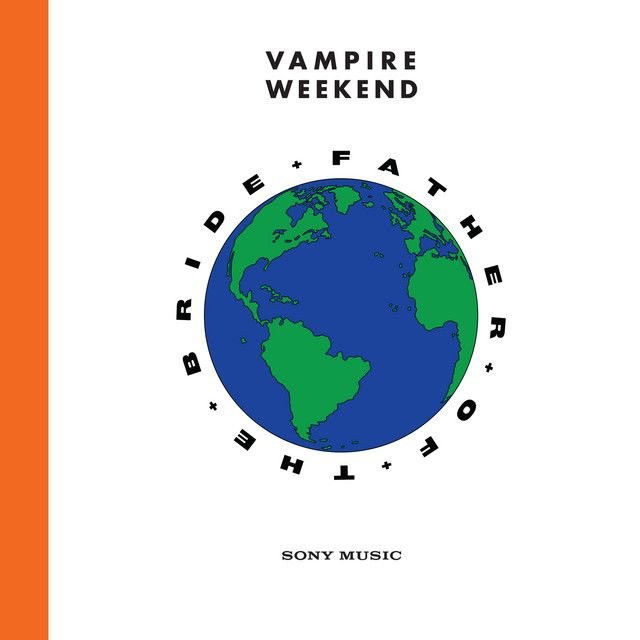
Part of what makes “Harmony Hall” memorable is that it does not sound bitter. It was released in 2019 as a lead single from Father of the Bride, Vampire Weekend’s fourth album, and was written by Ezra Koenig and Ariel Rechtshaid, with Rechtshaid also credited as a producer on the track’s release materials and album credits.[1][2]
The arrangement leans into bright acoustic textures, a rolling rhythm, and layered vocals. That sunny style matters. Instead of matching dark words with dark music, the band lets the melody feel communal and open. The result is ironic but not cynical.
This has long been part of Vampire Weekend’s appeal. Their music often places serious ideas inside elegant, catchy songs. Here, that contrast mirrors the lyrics themselves: beauty on the outside, unease underneath.
A Song About Institutions—or a Relationship?
There is also a more personal way to hear it. The seasonal opening, the broken vow, and the recurring disappointment can sound like the arc of a relationship. In that reading, Harmony Hall becomes the emotional structure two people built together, only to discover betrayal inside it.
Still, the public language of power, dignity, and lending pushes the song beyond romance alone. The strongest reading may be that it works on both levels at once. Vampire Weekend often writes in ways that let private emotion and social criticism overlap.
The Chorus as the Whole Story
The chorus condenses the song’s message into one painful contradiction:
I don't wanna live like this
but I don't wanna die
Paraphrased, the speaker rejects the present system but refuses surrender. That is why the line resonates. It is not only despair. It is also endurance.
Final Take on the Meaning
The meaning of Harmony Hall Vampire Weekend lies in its clash of sound and message. The song captures what it feels like to lose faith in a person, place, or institution that once seemed worthy of trust. It asks what happens when anger becomes performance, when dignity hides corruption, and when survival means living with unresolved contradictions.
That is why “Harmony Hall” still lands. They turn moral confusion into something catchy without making it simple.
Disclaimer: This interpretation is based on the song’s lyrics, musical choices, and publicly available credits. As with most art, listeners may reasonably hear different meanings in it.









