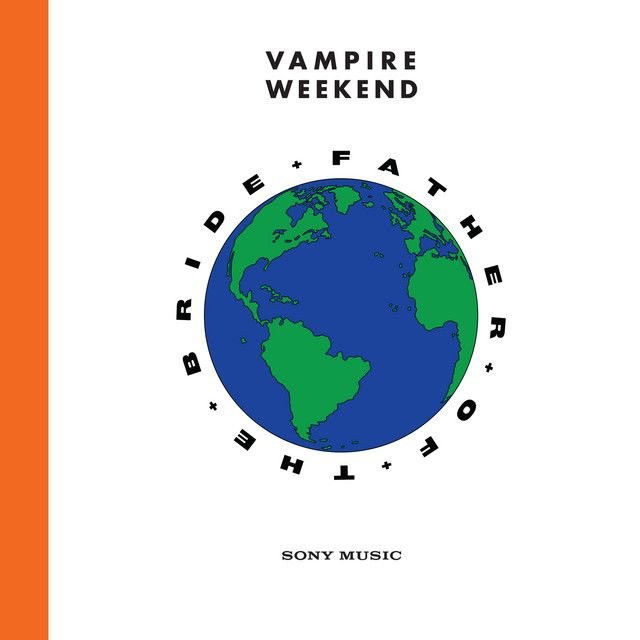
How Long? by Vampire Weekend
A breakup song that keeps widening
The meaning of How Long? Vampire Weekend starts with a familiar feeling: two people are stuck in a relationship that is bitter, exhausting, and hard to escape. But the song does not stay small. As it moves forward, it expands from heartbreak into something broader, touching on status, hypocrisy, and the sense that modern life itself may be sliding downward.
"How Long?" - Vampire Weekend
My life's a joke
Your life's a gas
Loading lyrics...
Unable to load lyrics
We're unable to display the lyrics at this time. Please try again later.
This track appears on Father of the Bride, Vampire Weekend’s 2019 album, their fourth studio release and a record that debuted at No. 1 on the Billboard 200. It came after a long gap following Modern Vampires of the City and during a period when Ezra Koenig was writing songs with more open narrative clarity than before, a shift he discussed in relation to admiring direct songwriting. In that context, “How Long?” feels especially sharp: conversational on the surface, but full of images that hint at moral rot and emotional fatigue.
Watch the official How Long?
music video
The central conflict hides inside the joke
The opening lines mix humor and hurt. The speaker uses cutting wit to describe both lives, then lands on a painful memory tied to religion and holiday ritual. When they call themselves the ghost of Christmas past
, the idea is not just seasonal wordplay. It suggests someone trapped in old wounds, replaying the same grievance, haunting a relationship that should already be over.
That matters because the song keeps showing a power imbalance. The speaker says choices were limited and one person always escapes consequences. The phrase take immunity
turns a private relationship into a political game. Interpretation: that line suggests the song is not only about heartbreak, but also about systems where one side gets protection while the other absorbs the damage.
Why the chorus feels so heavy
The repeated question How long
is simple, but it does a lot of work. It asks how much longer this relationship can last. It also asks how long a broken arrangement—romantic, social, or even national—can keep going before it collapses.
The sinking image is the key metaphor. When the speaker wonders how long until they sink to the bottom
, the song turns emotional burnout into physical descent. There is dread in that picture, but also intimacy. The line about it being only you and me
suggests a strange final closeness: even if the world falls away, these two people may still be bound together.
Everyday images, bleak worldview
One of the smartest things in the song is how it moves between big ideas and silly objects. It asks what the point is of self-improvement, visibility, and even humanity, then suddenly gives a ridiculous image of faces drawn on fruit. That jump is classic Vampire Weekend. It is funny for a second, then sad right after.
The phrase same old dirty jeans
sums up that mood. The speaker doubts whether change is real at all. People clean up, reinvent themselves, get seen in public—but underneath, nothing changes. Interpretation: this part of the song reads like a complaint about performative growth, where appearances shift but character does not.
The mention of Halloween and Christmas 2017 deepens the unease. Those holidays usually signal clear emotional seasons, but here they blur into one long disturbed period. Instead of renewal, time feels stalled. The relationship has not healed; it has just kept wearing different costumes.
Hollywood success, but no real control
Later, the song jumps to Los Angeles landmarks: Mulholland Drive, Sunset Boulevard, the hills and the flats. On paper, those places suggest glamour and arrival. The speaker has reached the top, or at least reached symbols of it.
But the details undermine that fantasy. There is a house, there is a car, and there is registration paperwork—yet neither of us has the key
. That is a great image of empty success. They are surrounded by proof of ownership but cannot actually enter or drive away.
This section supports a wider reading of the meaning of How Long? Vampire Weekend. The song may be about a relationship, but it also sounds like a critique of aspiration itself. They got the image of the good life, not the freedom that was supposed to come with it.
How the sound supports the lyrics
Vampire Weekend are an American band formed in New York City in 2006, led by Ezra Koenig alongside Chris Baio and Chris Tomson, with Rostam Batmanglij remaining an important past collaborator in the group’s history. Their music often blends indie rock with art-pop polish, rhythmic bounce, and smart arrangements. On Father of the Bride, that bright musical language often sits next to anxious or complicated lyrics.
That contrast matters here. “How Long?” moves with energy, not despairing slowness. The groove gives the song lift even as the words describe emotional sinking. Interpretation: that tension makes the song feel more honest. People often joke, dance, and keep moving while their lives are quietly falling apart.
The songwriting credit also includes Leon Sylvers, Stephen Shockley, and William Shelby, which points to borrowed musical DNA in the composition. That layered authorship suits a song built from mixed feelings: old heartbreak, present irony, and borrowed cultural symbols all colliding at once.
The strongest reading of the song
The best way to hear “How Long?” is as a portrait of collapse told with style and sarcasm. It is about two people who cannot fix what is broken, but it also hints that their mess reflects something bigger—status games, false choices, shallow reinvention, and a world where nobody seems to hold the key.
That is why the chorus lingers. It is not just asking when love ends. It is asking when denial ends.
Final takeaway
For most listeners, the meaning of How Long? Vampire Weekend comes down to this: the song turns a failing relationship into a wider meditation on drift, hypocrisy, and the emptiness of surface-level success. It is catchy, funny, and quietly devastating at the same time.
Disclaimer: This interpretation is based on the lyrics, songwriting credits, album context, and publicly available artist background. As with any song, different listeners may hear it differently.









