Why 'Brown Eyed Girl' Still Feels Like Summer
The meaning of Brown Eyed Girl Van Morrison starts with a feeling many people know: the past can seem brighter than the present. The song is often treated like a simple oldies hit, but its real power comes from how it mixes joy, desire, and loss in one easy melody.
"Brown Eyed Girl" - Van Morrison
Days when the rains came
Down in the hollow
Loading lyrics...
Unable to load lyrics
We're unable to display the lyrics at this time. Please try again later.
Released in 1967 and credited to Van Morrison, the track became one of their signature songs and a long-running radio favorite, as widely noted in major music references such as Rolling Stone and Britannica. Even so, popularity can hide what the lyric is doing. Under the cheerful surface, this is a song about memory and the ache of growing older.
More Than a Singalong Memory
At its core, the song looks back on young love through a series of vivid snapshots. The narrator remembers outdoor adventures, secret meetings, and a bond that made ordinary places feel enchanted. Early lines like days when the rains came
and down in the hollow
set a scene that feels earthy and local, not glamorous.
That matters because the song is not about fame, fantasy, or heartbreak in a dramatic sense. It is about how first love turns weather, landscapes, and routine afternoons into something unforgettable. The repeated address to my brown-eyed girl
gives those memories a human center.
Interpretation: The song suggests that people do not just remember a person. They remember who they were with that person.
Watch the official Brown Eyed Girl
music video
How the Story Moves Through Time
The lyric works almost like a short film. It begins in motion, with kids or teenagers running through a wet landscape, then shifts into more private memories, and finally lands in adulthood.
A simple timeline helps explain it:
- They remember youthful play and freedom.
- They recall shared spaces like the mine, the waterfall, and the grass.
- The song turns toward distance and separation.
- The memory becomes almost too strong to bear.
The key turning point comes when the lyric admits now that I'm all on my own
. That line changes the whole song. What first sounded like a carefree flashback becomes a confession of loneliness.
The Chorus Turns Memory Into Myth
The chorus and the famous nonsensical refrain do more than make the song catchy. They recreate the feeling of remembering through sound. When the voice returns to do you remember when
, it invites both the former lover and the listener into the same space.
The "sha-la-la" section feels childlike and spontaneous, almost like a tune made up on the spot. That helps explain why the song has lasted so long. It does not just tell listeners about youth; it makes youth sound present again.
Do you remember when
we used to sing
This short moment captures the song's central move: memory becomes music, and music becomes a way to briefly relive the past.
Nature, Place, and Young Desire
One reason the song feels so alive is its imagery. Rain, fog, sunlight, rainbow, waterfall, and grass all appear as parts of one glowing environment. These are not random details. They link love to nature, motion, and discovery.
The song also hints at sexual awakening. The memory of making love in the green grass
marks a shift from innocent play to adult intimacy. Still, the lyric keeps that moment gentle and nostalgic rather than explicit.
Interpretation: This balance is important. The song remembers desire as part of growing up, not as something separate from friendship, freedom, or summer adventure.
Why the Sound Feels So Bright
The production helps sell the memory. The recording is known for its upbeat groove, crisp rhythm, and bright melodic feel, features often discussed in histories of late-1960s pop-rock at sources like AllMusic and Rock & Roll Hall of Fame. The band keeps things light on the surface, which makes the lyric's sadness easier to miss at first.
That contrast is the point. The music smiles while the words look backward. Morrison's vocal delivery also matters: they sound excited, then wistful, then nearly overwhelmed. When the melody lifts, the past feels immediate. When the lyric mentions being alone, the same energy starts to feel bittersweet.
Artist Context Changes the Reading
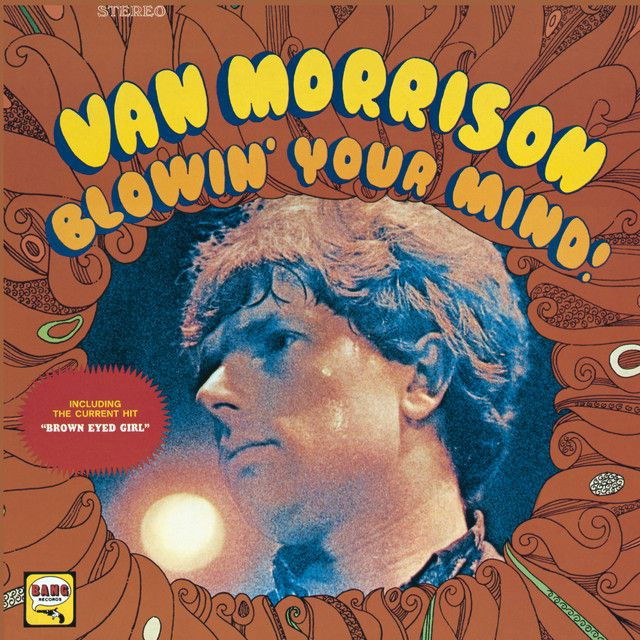
Van Morrison wrote the song, and it first appeared on the 1967 album Blowin' Your Mind! according to standard discographies such as Discogs and MusicBrainz. Over time, Morrison has had a famously mixed relationship with the song's huge popularity, a detail often mentioned in profiles and interviews collected by major outlets like Rolling Stone.
That context helps explain why the song can feel both simple and elusive. It became a mass singalong, yet its emotional core is personal and fragile. Listeners may hear a party classic, but the lyric itself keeps circling absence.
So What Is the Song Really Saying?
The meaning of Brown Eyed Girl Van Morrison is not just that young love was fun. It is that memory can turn a brief relationship into a lifelong emotional landmark. The song holds two truths at once: the past was full of life, and it is gone.
That is why the track still lands with new generations. It captures the moment when a happy memory stops being just happy and starts to hurt a little.
Final Thought
For many listeners, "Brown Eyed Girl" sounds like sunshine. Underneath, it is also about time, distance, and the shock of seeing the past from the far side of adulthood.
Disclaimer: This interpretation is based on the lyrics, recording, and publicly available artist context. Like most songs, it can support more than one valid reading.







