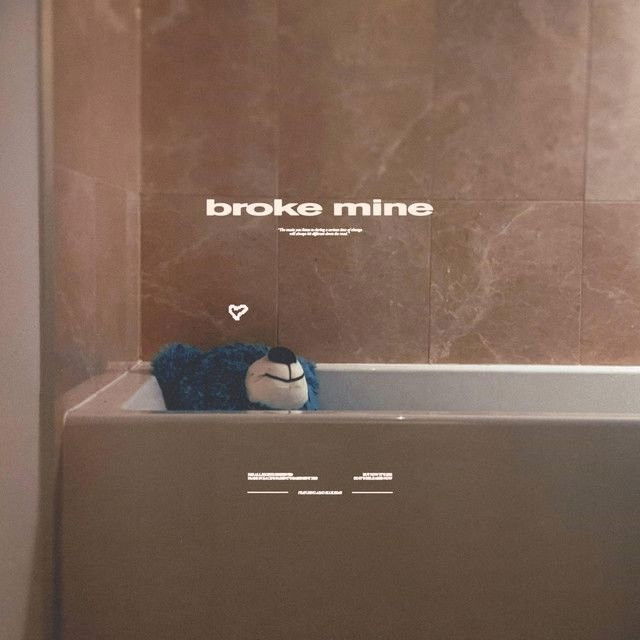
Why 'Broke Mine' by Verzache Hits So Hard
The meaning of Broke Mine Verzache starts with a simple but painful idea: the person who caused the breakup is hurting too. Instead of blaming the other side, the song turns inward. It shows someone realizing that a choice they thought was necessary ended up wounding both people.
"Broke Mine" - Verzache
Wasn't aware that I could cross the line
Was feeling something that I can't define
Loading lyrics...
Unable to load lyrics
We're unable to display the lyrics at this time. Please try again later.
Verzache is the project of Canadian artist and producer Zach Farache, who has built a reputation for soft-edged indie pop with bedroom-pop intimacy and electronic detail. Public artist profiles identify Farache as the songwriter behind the project, which matches the credit provided here that the song was written by Zach Farache. That context matters because the track feels intensely personal, almost like a private confession.
A breakup song about responsibility, not revenge
At its core, this is a song about accountability. The central hook, I broke your heart I broke mine
, does more than summarize the plot. It balances guilt and grief in the same breath.
The speaker is not saying they were the victim. They admit they cross the line
and made a decision they did not fully understand at the time. That gives the song its emotional force: the pain comes from knowing the damage cannot be undone.
Interpretation: Rather than treating heartbreak as something that simply happened, the song frames it as a consequence of immaturity, confusion, and delayed self-knowledge. They wanted “a different kind” of love, but only learned what they had after it was gone.

Watch the official Broke Mine
music video
The verses trace a slow emotional crash
After the opening confession, the song widens into a portrait of fallout. The speaker describes losing confidence, feeling stuck in the past, and spiraling into bad habits. They mention not sleeping well and staying up drunk, which paints heartbreak as something physical and exhausting, not just romantic.
A short phrase like lost my confidence
shows how the breakup damages identity. This is not only about missing another person. It is about no longer trusting their own judgment.
That is why one of the sharpest lines in the song is the admission that they cannot even love themselves properly. Paraphrased, the speaker wonders how they could offer real love when they were already emotionally unstable. This turns the song from apology into self-examination.
A clear timeline of what happens
- They leave or damage the relationship.
- They assume it was the right call.
- They begin to miss what they had.
- Regret grows into self-blame.
- They accept that contacting the other person may only reopen the wound.
That last point gives the ending its maturity. The speaker wants to reach out, but knows they probably should not.
The chorus carries the whole meaning
The repeated refrain works because it is both a confession and a punishment. When the singer says they will pay the fine
, they are not talking about a literal cost. They mean emotional consequences.
Interpretation: The chorus suggests that remorse is the real sentence. They understand the breakup cannot be fixed by one apology, so the song itself becomes a form of reckoning.
There is also a subtle shift in the line about changing their mind. At first, they thought distance would help. Later, they realize the decision came from confusion, not clarity. That reversal is the heart of the track.
Memory, distance, and the urge to call
One of the song's strongest motifs is mental replay. The speaker keeps revisiting old scenes, including a memory of meeting in the mall. That everyday image matters because it makes the relationship feel ordinary and real. This was not a grand movie romance. It was built from familiar places and shared time.
The closing repetition of thinking bout calling you
is especially effective. The song does not end with closure. It ends with restraint.
I don't have no businessthinking bout calling you
Those lines capture the tug-of-war between desire and discipline. They still want connection, but they know wanting it does not make it wise.
How the sound supports the lyrics
Like much of Verzache's work, the production style is key to the song's meaning. Their music often blends hazy synths, soft percussion, and intimate vocals associated with bedroom pop and indie-electronic textures. That kind of sound makes emotional distance feel close-up.
In a song like this, a gentle, loop-based structure can mirror obsessive thought. Repetition in the instrumental bed supports repetition in the lyrics. The vocal delivery also matters: instead of dramatic belting, the song works best as a subdued confession, which makes the guilt sound lived-in rather than theatrical.
Interpretation: If the production feels dreamy or slightly numb, that is part of the point. The arrangement reflects someone processing pain after the fact, when everything feels blurred by memory, alcohol, and lack of sleep.
Why the song connects so easily
The meaning of Broke Mine Verzache resonates because it avoids easy morals. The speaker is not purely selfish, but they are not innocent either. They may have left to protect themselves, yet they still admit that doing so made things worse before it made anything better.
That tension feels true to many real breakups. Sometimes a person can make the choice they think they need and still regret the way it happened. The song understands that heartbreak is not always villain versus victim. Sometimes it is two losses at once.
Final takeaway
In the end, “Broke Mine” is about the painful moment when self-protection turns into remorse. It shows a speaker who acted, looked back, and realized the cost was bigger than expected.
That is why the song lingers. It is not only sad; it is self-aware. And that mix of honesty, guilt, and restraint gives it its lasting weight.
Disclaimer: This article offers an interpretation of the song based on the lyrics provided and publicly known artist context. Different listeners may hear the track differently.








