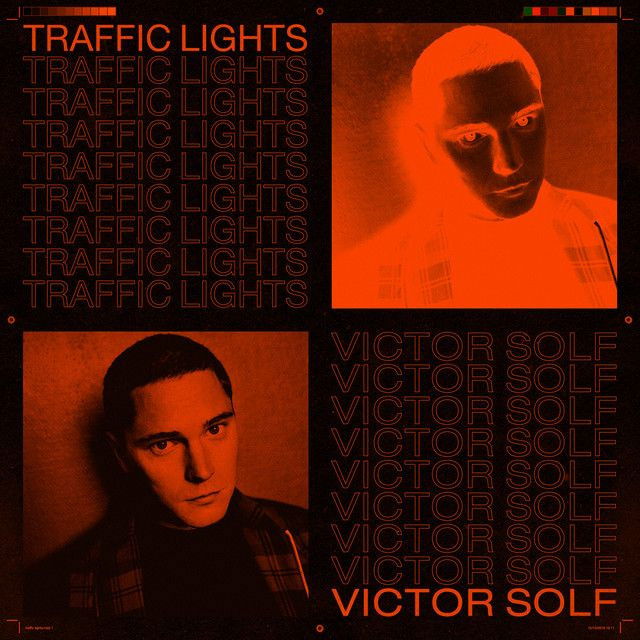
Traffic Lights by Victor Solf
A gentle song about grief, release, and the moment when emotional barriers finally give way.
"Traffic Lights" - Victor Solf
Provided by LyricFindI'm here slightly smiling
Smiling with my eyes
My tears leaveLoading...Loading lyrics...
Unable to load lyrics
We're unable to display the lyrics at this time. Please try again later.
Why the meaning of Traffic Lights Victor Solf resonates
The meaning of Traffic Lights Victor Solf seems rooted in emotional transition. The song opens in a fragile place: someone is smiling, but only just, and tears still fall. That contrast sets the tone right away. They are not hearing simple heartbreak alone; they are hearing a person trying to stay upright while pain is still active.
One of the song’s strongest early images is the idea that tears leave flowers behind. When the lyric mentions Poppies
, it turns sorrow into something visual and almost sacred. Interpretation: that image suggests grief can leave beauty, memory, or growth in its wake, even when the feeling itself is heavy.
Because the user supplied the lyric text directly, the analysis can focus closely on the writing. The song was written by Victor Solf, according to the provided context.

Watch the official Traffic Lights
music video
The central emotional arc: from hurt to release
At the center of the track is a simple but powerful refrain: No more traffic lights
. In everyday life, traffic lights control movement. They force pauses, delays, and decisions. In this song, the repeated phrase sounds like a wish to live without those stops.
Interpretation: the traffic lights symbolize emotional barriers. They may stand for doubt, grief, guilt, fear, or the social rules that keep people from acting on what they feel. When the song says there are no more of them, it hints at surrender, freedom, or a leap into the unknown.
That leap becomes even clearer with the short line And we jump
. The song does not describe a careful walk forward. It imagines a jump, which feels riskier and more emotional. They hear a decision to stop overthinking and move anyway.
A relationship changed by time
The second verse gives the song a more personal frame. It says two people were friends
, but now one of them blends into the crowd. That shift is painful because it describes a bond becoming anonymous. Someone once seen clearly is now distant, ordinary, or unreachable.
The next idea deepens that loss: painful memories eventually become songs. That is one of the most revealing lines in the track. It suggests art is how pain gets processed. Time does not erase memory, but it can reshape it into something singable and shareable.
Interpretation: this may be a song about losing a friend, a lover, or even a former version of the self. The lyric leaves room for all three readings, which is part of its strength.
The storm, the armor, and the search for peace
When the song turns inward
Midway through, the writing shifts from memory to self-examination. The image of the storm’s eye matters because the center of a storm is strangely calm. In that space, hidden truths can appear.
The song asks what brings joy and inner peace, then wonders about An armor
that cannot be destroyed. That image of armor suggests protection, but it also raises a question: is emotional safety helping, or is it preventing real connection?
Interpretation: Victor Solf may be contrasting two survival strategies. One is to build defenses. The other is to look up, hold on, and stay open even while hurt. The song seems to favor courage over emotional hiding.
Why the chorus feels liberating
The refrain works because it is repetitive without feeling empty. Every return to No more traffic lights
sounds less like a statement of fact and more like a mantra. Repetition turns the phrase into self-persuasion.
Then the song grounds that freedom in a shared present: right here, right now, things can be different. Instead of promising a perfect future, it focuses on a choice in the moment. That makes the message feel realistic. Healing is not presented as magic. It is presented as an act of courage.
Want love and happiness
That's all we need
Those closing lines are plain on purpose. After all the imagery of tears, crowds, storms, and armor, the ending strips life down to its simplest human need.
How the writing style shapes the meaning
One reason the song lands is its restraint. The language is clear and spare, which lets the symbols do the work. There are no long narrative details about what exactly happened between the people in the song. That absence makes the track more universal.
The phrasing also moves between singular pain and shared hope. It starts with private tears, then keeps returning to we
. That shift suggests healing may not happen alone. Even if the relationship in the song has changed, the speaker still reaches for connection rather than isolation.
Sound and performance: what likely carries the message
Without making unsourced production claims, it is still fair to note how lyrics like these usually ask for a restrained vocal and emotionally clear arrangement. A song built on repetition, silence, and image tends to work best when the performance stays intimate rather than crowded.
Interpretation: if the music follows the lyric, listeners would likely hear contrast between softness in the verses and uplift in the chorus. That would match the song’s emotional movement from sorrow toward release.
Final reading: a song about choosing life after pain
The best way to understand the meaning of Traffic Lights Victor Solf is as a song about reaching the point where grief no longer controls every movement. It does not deny pain. It begins inside it. But by the end, it imagines a life beyond delay, beyond emotional red lights, and beyond fear.
They hear a track about losing closeness, turning memory into art, and choosing courage anyway. Its final message is modest but powerful: after everything, people still want peace, love, and the freedom to move forward.
Disclaimer: This interpretation is based on the lyrics provided and common lyrical analysis. Like many poetic songs, "Traffic Lights" can support more than one valid reading.









