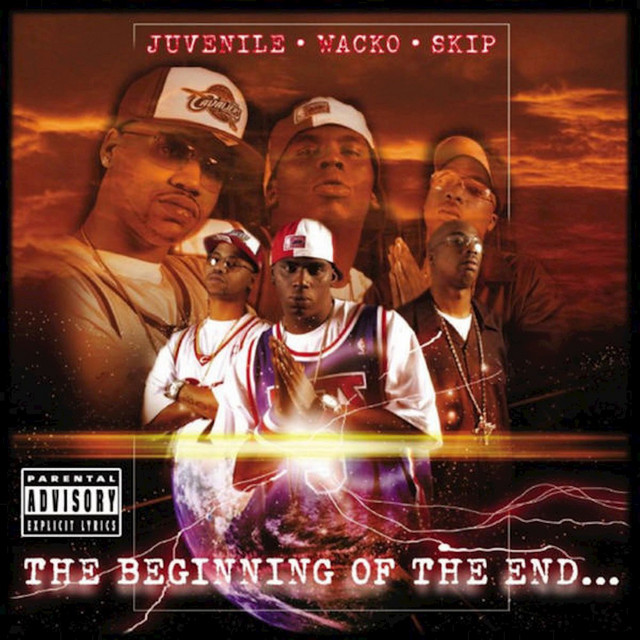
How “Nolia Clap” Turns Place Into Power
The meaning of Nolia Clap Wacko, Juvenile, Skip starts with geography. This is not a storytelling rap in the usual sense. It is a neighborhood record, a street roll call, and a warning all at once. Rather than build toward one big plot twist, the song maps New Orleans block by block and turns local names into badges of pride.
"Nolia Clap" - Wacko, Juvenile, Skip
1, 2, 3, 4 bust it
Come on, come on
Loading lyrics...
Unable to load lyrics
We're unable to display the lyrics at this time. Please try again later.
At the center is Magnolia, often shortened to Nolia. The repeated hook asks where different sections are, then answers with the sound of collective presence: Nolia Clap
. In plain terms, the song says that the neighborhood is active, visible, and ready to be heard.
A Roll Call More Than a Chorus
The hook is the key to the whole track. When they ask Where that Melph at
and name other areas after it, they are not just looking for people. They are summoning a city map through slang, memory, and affiliation.
That matters because the chorus works like a public check-in. Each place-name turns into proof of connection. The track keeps widening its circle, moving from Magnolia-linked spots to other wards and nearby areas, so the song feels less like one man’s brag and more like a network announcing itself.
Interpretation: the “clap” in the title can be heard two ways at once. It suggests applause and recognition, but in the song’s street language it also carries the threat of gunfire. That double meaning gives the chorus its tension: celebration and danger happen in the same breath.
The Verses Build a Street-Level Map
Verse one moves through streets, stores, corners, and named people in a quick stream. Wacko describes travel through the city as if every turn confirms status. He names routes, neighborhoods, and everyday stops with total familiarity, making local knowledge itself sound powerful.
This is why the song feels so vivid even without a tight plot. The details are the plot. A pickup truck, a shoe stop, a night plan, and quick visits across town all show how movement through New Orleans becomes a performance of belonging.
The second verse broadens the world even more. It links Magnolia to Hollygrove, Gert Town, P Town, St. Bernard, and other sections. That expansion matters to the meaning of Nolia Clap Wacko, Juvenile, Skip because it shows how local rap can represent one neighborhood while still speaking to a larger city culture.
Pride and Threat Live Side by Side
The third verse is where the mood hardens. Earlier, the song sounds loose and social. Later, it becomes more openly militant. When the verse says Nolia back
, it frames the neighborhood as returning to strength after a setback.
That return is not presented as gentle. The song repeatedly ties local pride to force, readiness, and retaliation. A line like that whole Nolia strapped
is not subtle; it presents the area as armed and alert. The point is not just fear. It is reputation.
This is one reason the record hits so strongly as regional rap. It treats place as identity, and identity as something that must be defended. In that logic, love for home and menace toward outsiders become part of the same performance.
New Orleans Context Shapes the Meaning
Wacko and Juvenile are deeply connected to New Orleans rap, and Juvenile’s wider prominence through Cash Money Records helps place the song in a recognizable regional tradition. That tradition often blends neighborhood loyalty, local slang, and hard-earned status.
Magnolia Projects also carries a long cultural history in New Orleans and in Southern hip-hop memory, including its association with Juvenile’s background, noted by The New Orleans Advocate. That context makes the song feel less invented than documented. Even the boastful parts work like testimony from inside a specific place.
Factual context also helps explain the density of local references. To outsiders, the names may sound like coded slang. To listeners from the city, they can sound like coordinates, social ties, and rival histories packed into a chant.
How the Sound Carries the Message
Production-wise, the song leans on bounce-era energy: repetitive chants, a marching hook, and a beat designed for group response more than introspection. That structure is crucial. The instrumental does not ask for quiet reflection; it asks for participation.
The best way to hear it is as crowd music. The hook repeats until it feels communal, almost like a call shouted across blocks. Then the verses pile on names and threats in a way that keeps momentum high.
Where Hollygrove at
Gert Town at
P Town at
That short sequence shows how the song turns neighborhoods into rhythm. The roll call becomes percussion. In effect, the city itself becomes part of the beat.
What the Song Is Really Saying
At its core, “Nolia Clap” is about recognition. They want Magnolia and the surrounding New Orleans world to be seen, named, and respected. The song uses local detail to prove authenticity and uses aggression to protect that claim.
Interpretation: there are two layers working together. On one layer, it is a party-ready anthem built from chant and repetition. On the deeper layer, it is about survival politics in a city where blocks, reputations, and alliances carry real weight.
That is why the record still feels forceful. It does not ask listeners to admire abstract lyricism. It asks them to feel the pressure of place. Every shout-out, every route, and every threat pushes the same message: home is not just where they are from; it is what they are defending.
Disclaimer: This interpretation is based on the lyrics, regional context, and available artist history. As with any song, listeners may hear different meanings depending on their own experience and knowledge of New Orleans culture.







